1. Strategic Overview: Sourcing Chinese Aluminium Doors with Side Windows for the Nagoya Market
The Nagoya metropolitan area, representing the industrial heartland of Aichi Prefecture in Japan's Chubu region, presents a unique microclimate and architectural requirement for fenestration systems. As urban infill developments, modern residential villas, and commercial renovations surge across Nagoya, architectural designers and general contractors are seeking entrance systems that harmonize daylighting, privacy, thermal efficiency, and structural safety.
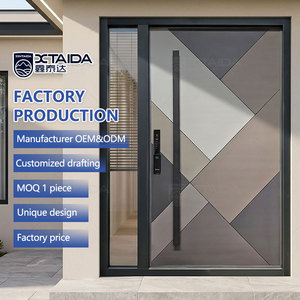
An Aluminium Door with Side Window (Sidelight) has emerged as the ideal architectural choice for Japanese main entrances (Genkan). By placing fixed or operable glazed side panels adjacent to a robust thermal break main door leaf, architects maximize natural light in deep entryways without compromising thermal performance or physical security. Sourcing these specialized systems directly from top-tier Chinese aluminium door factories in Foshan provides Japanese importers, builders, and wholesalers with a competitive edge in cost efficiency, custom design flexibility, and manufacturing throughput.
2. Climate Dynamics, Building Codes & Local Architectural Requirements in Nagoya
To successfully market and install imported aluminium doors with side windows in Nagoya, manufacturers and buyers must align product specifications with specific local environmental and regulatory conditions:
- Thermal Insulation Against Seasonal Extremes: Nagoya experiences humid, hot summers and cold, dry winters driven by wind down drafts from the Suzuka Mountains (Ibuki-oroshi). Doors must utilize high-performance PA66 nylon thermal break profiles combined with Argon-filled Low-E double or triple glazing to achieve low overall thermal transmittance (U-values below 1.6 W/m²K).
- Seismic Flexibility & Structural Resilience: Japan sits in one of the most seismically active regions globally. Fenestration systems installed in Aichi Prefecture must comply with the Building Standard Law of Japan (BSLJ) and Japanese Industrial Standards (JIS A 4706). Aluminium framing profiles must incorporate structural corner keys and flexible EPDM seals capable of absorbing inter-story drift during seismic movements without glass breakage.
- Typhoon-Grade Wind Pressure & Water Tightness: Summer and autumn in the Chubu region bring heavy rain and strong typhoons. Entrance doors with side windows require engineered drainage channels, multi-point lock compression seals, and heavy-duty structural mullions rated for design pressures (DP) exceeding 3000 Pa.
- Cultural Entrance (Genkan) Functionality: In Japanese residential design, the entrance area serves as a transitional zone where footwear is removed. Sidelight side windows provide vital illumination for shoe cabinetry (Getabako) and greeting spaces while maintaining acoustic privacy from street noise.
3. Technical Material Science & Engineering Specifications
High-end Chinese door manufacturers utilize advanced material science and automated CNC processing to engineer aluminium doors with side windows built for decades of reliable operation. Below is an engineering breakdown of essential component specifications:
| Component | Material / Engineering Standard | Performance Standard / Specs |
|---|---|---|
| Aluminium Alloy Profile | 6063-T5 / 6063-T6 Architectural Grade Profile | Wall thickness 2.0mm–3.0mm; Tensile strength ≥ 205 MPa |
| Thermal Isolation | PA66-GF25 Polyamide Thermal Break Strips | Width 24mm–34mm; U-frame value ≤ 1.4 W/m²K |
| Glazing Assembly | Double / Triple Tempered Low-E Insulated Glass | 5mm Low-E + 12Ar + 5mm Clear / Warm edge spacer |
| Weather Sealing | EPDM (Ethylene Propylene Diene Monomer) Gaskets | Continuous dual/triple seal; Aging resistance > 30 years |
| Hardware & Locking | Multi-Point Gear Systems (German / Japanese brand option) | Anti-burglary multi-latch points; Rated for 200,000 operation cycles |
| Surface Finish | Fluorocarbon Powder Coating (PVDF) or Anodizing | Qualicoat certified; Salt spray resistance > 2000 hours |
4. Comparative Matrix: Direct Chinese OEM Procurement vs Local Japanese Off-the-Shelf Systems
B2B buyers in Nagoya often weigh the pros and cons of sourcing entrance door packages locally in Japan versus partnering with audited Chinese manufacturers like BrioWindow Technology Co., Ltd. The matrix below highlights key trade-offs:
| Parameter | Chinese Custom Factory Direct (e.g., BrioWindow) | Standard Local Domestic Japanese Packages |
|---|---|---|
| Unit Sourcing Cost | High (30% to 50% cost savings at scale) | High wholesale markup and distribution overhead |
| Dimensional Customization | 100% custom non-standard width/height sidelights | Restricted to standard modular architectural catalog sizes |
| Glass Configuration | Full flexibility (Smart glass, frosted, soundproof laminate) | Limited stock glass options |
| Minimum Order Quantity (MOQ) | Flexible (Project-based or container-load OEM) | Single-unit retail availability |
| Production Lead Time | 15 to 25 days manufacturing + ocean freight to Nagoya Port | Immediate to 10 days for standard stock sizes |
5. Step-by-Step Procurement Workflow for Nagoya Contractors & Distributors
Importing custom aluminium doors with side windows from Foshan, China to Nagoya requires a structured B2B process to guarantee precise fitment and compliance:
- Architectural Elevation & Schedule Submission: The client provides opening schedules, wind load requirements, preferred frame colors, and CAD elevation drawings.
- Engineering Analysis & Shop Drawing Approval: Factory engineers generate 3D CAD/BIM shop drawings detailing profile cross-sections, thermal breaks, anchoring points, and drainage weep holes.
- Prototyping & Sample Testing: Color samples, profile corner samples, and hardware mock-ups are dispatched to the client in Aichi for tactile review and approval.
- Precision CNC Fabrication & Pre-Assembly: High-precision CNC cutting, thermal strip insertion, glass unit sealing, and factory pre-assembly testing are performed.
- Quality Inspection & Air-Tightness Testing: Products undergo structural seal checks, diagonal tolerance verification (±1mm), and water tightness testing before packaging.
- Seaworthy Export Packaging & Shipping to Nagoya Port: Doors and sidelight windows are packaged in multi-layer protective film, foam corner protectors, and fully enclosed fumigated wooden crates, loaded into containers for direct sea shipping to the Port of Nagoya.
