Technical Procurement FAQ Critical Questions Asked by Overseas Buyers & Engineers
Direct, engineering-backed answers addressing structural loading, thermal performance, waterproofing, and logistics for global Aluminum Alloy Folding Door procurement.
How do top-hung vs. bottom-rolling aluminum alloy folding doors differ in structural integrity?
Top-hung folding systems suspend panel weight along an upper structural header track, delivering exceptionally smooth, effortless gliding and enabling ultra-low flush bottom threshold profiles. However, top-hung installations mandate structural overhead support capable of carrying the total combined dead-load weight of all glass panels. Bottom-rolling folding doors transfer structural panel weight downward onto the floor track, making them ideal for retrofit applications or projects where load-bearing overhead lintels are structurally impractical. BrioWindow Technology Co., Ltd. engineers both structural variants, incorporating heavy-duty 304 stainless steel roller assemblies capable of supporting leaf weights up to 150kg.
What thermal break technology is required for exterior aluminum folding doors in cold climates?
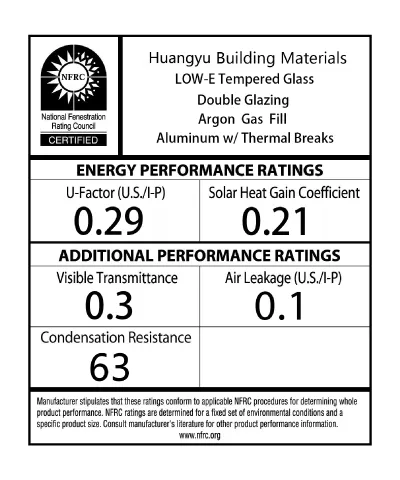
For exterior building envelopes in North America, Northern Europe, or cold regional zones, non-thermal aluminum frames will experience severe interior condensation and massive heat loss. High-performance aluminum alloy folding doors require multi-cavity Polyamide (PA66GF25) thermal barrier strips extruded between the interior and exterior aluminum profiles. BrioWindow utilizes 24mm to 34mm thermal break bars combined with double or triple-glazed Low-E insulated glass units (IGU) filled with 90%+ Argon gas and warm-edge TGI spacers. This structural configuration achieves low total system U-values between 0.9 and 1.4 W/m²K, easily complying with strict ENERGY STAR and NFRC energy codes.
How does BrioWindow test aluminum alloy folding doors for wind pressure, water penetration, and air infiltration?
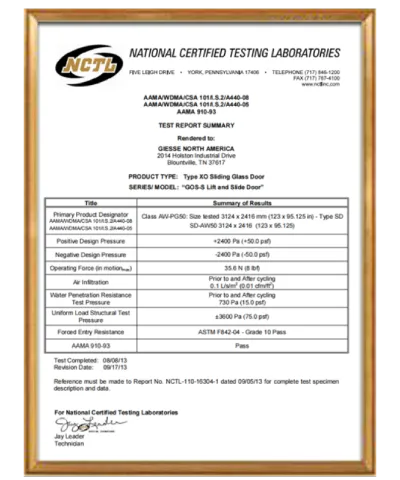
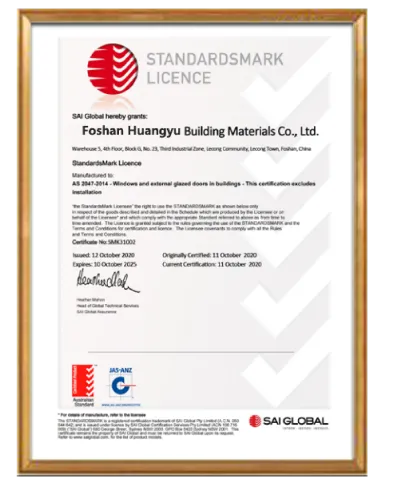
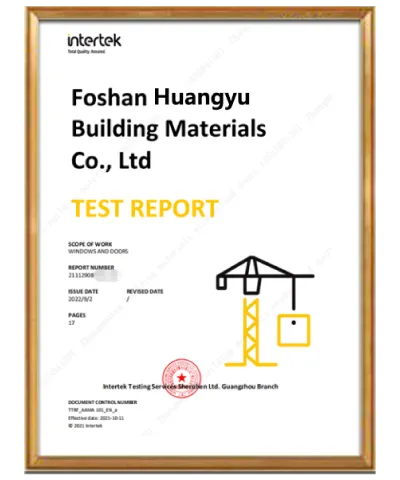
Our folding door assemblies undergo testing in accordance with international standard test protocols (AAMA/WDMA/CSA 101/I.S.2/A440 and European EN 12207/12208/12210 standards). Water tightness is achieved through continuous triple EPDM weather-strip gaskets, overlapping tongue-and-groove profile interlocks, and pressure-equalized concealed drainage channels within the sill track. Structural wind-load resistance is reinforced via internal structural alloy stiffeners, enabling our systems to withstand wind pressures up to 3800 Pa (equivalent to Category 4 hurricane forces) without permanent frame deflection.
Can BrioWindow manufacture custom bi-fold configurations according to architectural CAD drawings?
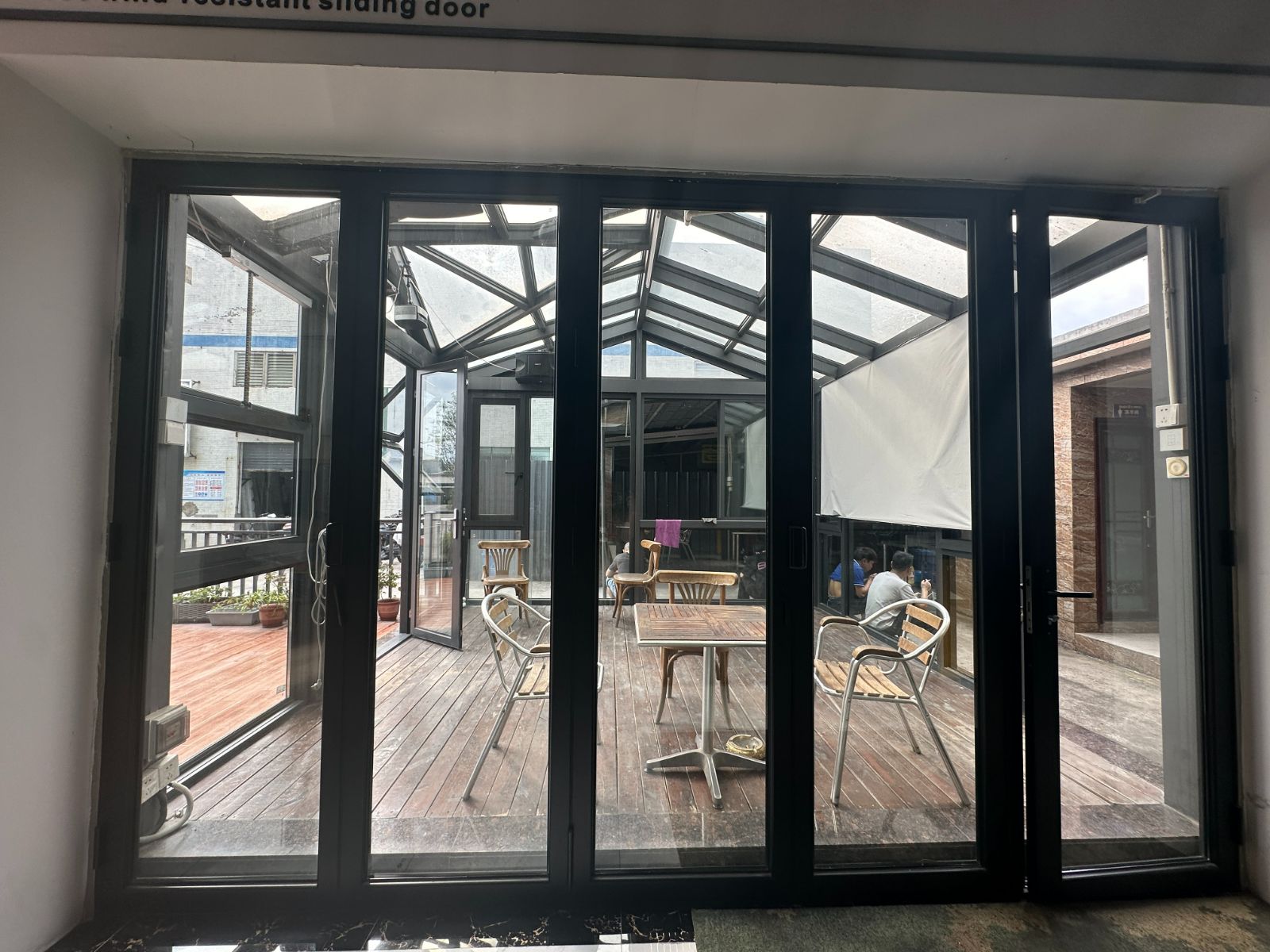
Yes, 100% of our production is customized to specific project schedules. We offer panel configurations ranging from 2-panel residential patio doors up to 16-panel commercial folding wall spans (e.g., 3+1, 5+0, 7+1, or 8+8 double-end folding schemes). Our dedicated structural engineering team evaluates your architectural floor plans, wind-load requirements, structural wall openings, and glass preferences to generate detailed shop drawings and 3D CAD section details for formal approval prior to cutting raw extrusions.
What hardware brands and multi-point locking mechanisms are integrated into BrioWindow folding doors?
Hardware failure is the primary point of breakdown in low-quality bi-fold doors. BrioWindow Technology Co., Ltd. equips all folding door systems with heavy-duty multi-point shoot-bolt locking mechanisms operated via ergonomic flush handles. We utilize top-tier international and premium custom hardware systems (including German SIEGENIA, HOPPE, and custom-engineered BrioWindow heavy-duty stainless steel carriage assemblies). Multi-point locks secure panel tops, centers, and bottoms simultaneously, offering maximum burglar resistance and tight gasket compression.
What packaging and shipping protection protocols are implemented to prevent transit damage during sea freight?
Export logistics safety is paramount. Every manufactured frame component and glazed panel is labeled according to the contractor’s opening schedule. Glass panels and assembled door frames are wrapped in protective PE film, edged with thick corner-guard foam, enclosed in multi-layer shock-absorbent bubble wrap, and strapped inside fully enclosed, fumigated ISPM-15 compliant wooden cases or steel-framed export crates. Desiccant packs are inserted to absorb ambient ocean container humidity, guaranteeing pristine job-site arrival.