Featured Aluminium Stacking & Sliding Window Systems
Precision-engineered aluminum profiles certified to international and Brazilian architectural standards. Select a model to request technical specs, CAD drawings, and export pricing.
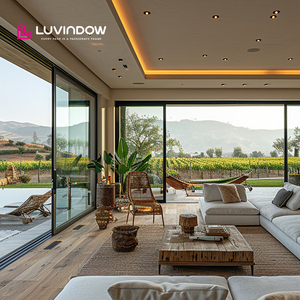
Heavy-Duty Commercial & Residential Modern Energy Efficient Large Patio Sliding Aluminum Glass Doors and Windows
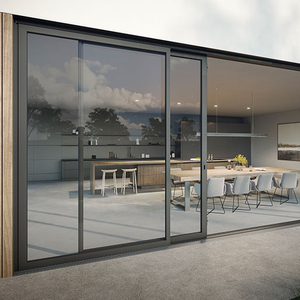
YY Facades AS2047 Standard Stacker Doors 3 Panel Glass Aluminum Sliding System
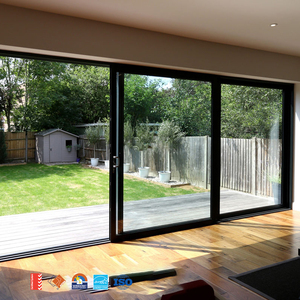
AMJ Panoramic Double Glazed Stacker Doors Commercial Exterior Patio Aluminum Sliding System
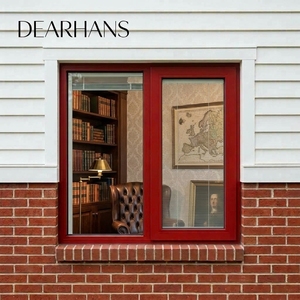
Double Glazed Soundproof Aluminium Casement & Impact Hurricane Proof Exterior Windows
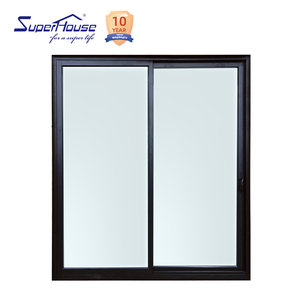
Stacker Door Energy Efficient Aluminum Sliding Windows for Luxury Residential Projects
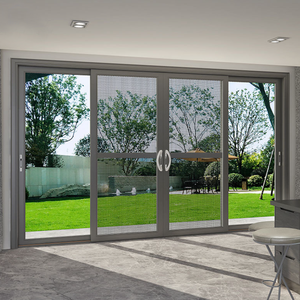
Modern Residential Aluminum Alloy Double-Glazed Soundproof Stacked & Vertical Opening Windows
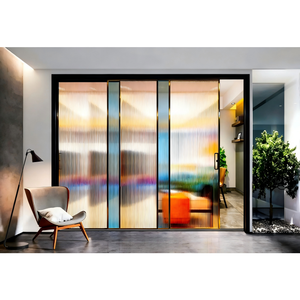
AS2047 Modern Double Glazed Stacker Sliding Aluminum Alloy Doors & Windows
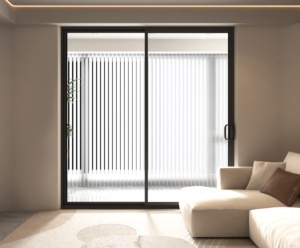
AS2047 Waterproof Aluminium Sliding Stacking Doors with Marine Powder Surface Finish
Engineering Architectural Transparency: Aluminium Stacking Windows in the Brazilian Market
Brazil’s architectural landscape is undergoing a profound structural evolution. From the dense high-rise developments of São Paulo and Curitiba to the expansive coastal estates of Rio de Janeiro, Florianópolis, and Salvador, modern building design demands dynamic fenestration systems that blur the line between interior luxury and external landscape. Among all opening mechanisms, Aluminium Stacking Windows and Doors (often referred to locally as janelas e portas de correr com folhas múltiplas empilháveis) have emerged as the premier choice for top-tier architectural firms, structural engineers, and real estate developers.
As a global direct manufacturer operating out of Foshan, China—the world’s foremost aluminium extrusion capital—BrioWindow Technology Co., Ltd. serves as a reliable B2B supply chain partner for Brazilian importers, facade contractors, and project developers. By combining heavy-duty 6063-T6 alloy extrusion profiles, precision stainless-steel quad-roller tracking, and thermal break insulation, our stacking window systems overcome Brazil's unique regional challenges: fierce coastal salt spray corrosion, intense tropical thermal heat gain, driving rain loads during monsoon seasons, and strict acoustic dampening requirements in urban megacities.
Technical Deep-Dive: Structural, Thermal & Acoustic Performance Standards
Importing fenestration products into South America requires absolute compliance with local structural codes and international engineering benchmarks. In Brazil, fenestration products must adhere strictly to ABNT NBR 10821 (Esquadrias para edificações), which establishes mandatory criteria for air permeability, water tightness under pressure, and resistance to structural wind loads (pressão de vento).
Our aluminium stacking window systems are designed from the ground up to exceed these standards through meticulous component selection:
6063-T6 Structural Profile
High-tensile aluminium alloy profiles extruded with wall thicknesses up to 2.2mm to support heavy double-glazed units without deflection.
PA66GF25 Thermal Break
Polyamide nylon thermal barriers isolate outer frames from inner rooms, dramatically curbing thermal heat transfer under Brazil’s hot sun.
C5-M Coastal Protection
Qualicoat-certified fluorocarbon (PVDF) powder coating and anodizing (>25 microns) resist salt fog degradation in coastal environments.
Acoustic Dampening & Thermal Insulation Dynamics
In high-density Brazilian metropolitan zones like São Paulo’s Avenida Paulista or Rio’s Barra da Tijuca, ambient noise pollution (traffic, aviation, nightlife) presents a major challenge for residential well-being. Uninsulated single-glazed sliding windows fail to satisfy luxury buyer demands. BrioWindow’s stacking systems incorporate multi-chambered profile designs fitted with EPDM (Ethylene Propylene Diene Monomer) double-compression seals and argon-filled double-glazed units (DGU) or laminated safety glass. This combination achieves an acoustic reduction index of Rw 38 dB to 45 dB, effectively converting noisy urban spaces into peaceful indoor sanctuaries.
| Performance Criterion | BrioWindow Stacking System Spec | ABNT NBR 10821 Standard Requirement | Architectural Benefit in Brazil |
|---|---|---|---|
| Wind Pressure Resistance | Class P5 (Up to 4500 Pa Structural Load) | Class P3 - P4 (1500 Pa - 3000 Pa) | Prevents frame flexing in high-rise coastal towers during tropical storms. |
| Water Tightness | Class E750 (750 Pa Static Pressure) | Class E300 - E450 | Zero water penetration during heavy monsoon rainfall in Southeast Brazil. |
| Thermal Transmittance (U-Value) | 1.6 W/m²K to 2.2 W/m²K (Thermal Break) | < 3.5 W/m²K (Zone Dependent) | Lowers HVAC energy consumption in air-conditioned residential spaces. |
| Surface Anodizing Layer | Class AA25 (≥ 25 Microns thickness) | Class AA15 (≥ 15 Microns) | Eliminates pitting corrosion caused by saline spray along coastal ocean fronts. |
| Rolling Mechanism | Heavy-Duty CNC Stainless Steel Quad-Rollers | Standard Nylon Single-Rollers | Frictionless, silent operation for heavy panels up to 300kg per sash. |
Regional Application Scenarios Across Brazil
The vast geographical diversity of Brazil demands tailored hardware and glazing configurations. As a seasoned manufacturer and direct exporter, BrioWindow optimizes its profile options based on specific project site conditions:
1. Coastal Villas & Oceanfront Resorts (Rio de Janeiro, Florianópolis, Bahia)
Coastal properties require maximum unobstructed views paired with uncompromising resistance to marine atmosphere corrosion. Our multi-track stacking windows allow up to 6 panels to slide and stack neatly behind a single stationary jamb or wall cavity, opening up to 85% of the total wall expanse. By incorporating heavy-duty stainless steel 316 tracks and marine-grade anodized surface treatments, these windows withstand relentless salt air without binding, rusting, or fading.
2. High-Rise Luxury Penthouses & Apartments (São Paulo, Campinas, Curitiba)
High-rise residential towers demand superior structural stiffness to withstand elevated wind loads at height. BrioWindow’s reinforced mullion stacker series utilizes high-moment-of-inertia aluminum profiles, ensuring structural safety even on upper building levels. Coupled with Low-E laminated glass, these systems block solar infrared radiation, maintaining balanced indoor ambient temperatures while minimizing air conditioning loads.
3. Commercial Hospitality & Indoor-Outdoor Dining (Brasília, Belo Horizonte, Recife)
Modern restaurants, hotel lobbies, and convention facilities utilize stacking window systems to create fluid, adaptable spaces. The flush-mounted sub-sill track design embeds seamlessly into finished flooring (granite, porcelain tiles, or natural wood), eliminating trip hazards while maintaining hidden drainage channels to flush out rain runoff automatically.
Market Trends & Green Building Initiatives in Brazil
The Brazilian real estate market is undergoing a rapid transition toward sustainable construction. Major real estate funds and residential developers actively seek LEED (Leadership in Energy and Environmental Design) and AQUA-HQE certifications to attract premium buyers and international institutional investors. Fenestration systems play a central role in earning these green building credits.
Traditional uninsulated aluminum profiles are increasingly viewed as obsolete due to their high thermal conductivity, which allows solar heat to pass freely into interior rooms. In contrast, BrioWindow’s Thermal Break Aluminium Stacking Windows incorporate precision-engineered polyamide barriers (PA66GF25) that sever the thermal bridge between exterior frames and interior rooms. When paired with high-performance Low-E double glazing, these systems drastically decrease thermal gain, cutting summer air conditioning energy requirements by up to 35%—a major selling point for eco-conscious buyers in Brazil.
Why Leading Brazilian Importers & Contractors Partner with BrioWindow
Sourcing directly from our state-of-the-art manufacturing campus in Foshan, China provides Brazilian buyers with a decisive competitive edge over sourcing from domestic distributors or unverified trading companies:
Foshan Factory-Direct Supply
Eliminate intermediary markups. Access wholesale manufacturer pricing directly from China's primary fenestration engineering hub.
30-Year Structural Warranty
Every order is backed by our comprehensive 30-year warranty on aluminum profiles, giving your clients long-term confidence.
CAD/BIM Project Tailoring
Our in-house design team provides precise CAD shop drawings and BIM 3D models customized to your project’s architectural drawings.
Furthermore, international logistics to South America are streamlined through our dedicated export department. We oversee every phase of export packaging—utilizing protective peelable film, edge guards, vacuum moisture-proof wrapping, and custom steel-reinforced plywood crates. This ensures that every shipment arrives at major Brazilian ports such as Porto de Santos (SP), Porto de Paranaguá (PR), or Porto de Suape (PE) in pristine, factory-calibrated condition.
Frequently Asked Questions (FAQ) for Brazilian Buyers
Below are clear, direct answers to common questions asked by Brazilian developers, architectural specifiers, and hardware importers when evaluating BrioWindow as their primary supplier:
What is the NCM / HS Code classification for importing aluminum stacking windows into Brazil? ▼
In Brazil, aluminum windows, doors, and their frames are classified under NCM Code 7610.10.00 (Portas, janelas e seus caixilhos, passadiços e guarnições, de alumínio). BrioWindow provides complete export documentation including commercial invoices, packing lists, certificate of origin, and bill of lading (B/L) fully aligned with Brazilian Federal Revenue (Receita Federal) import regulations.
Are BrioWindow stacking window systems compliant with ABNT NBR 10821? ▼
Yes. Our engineering parameters meet or exceed the performance classes outlined in ABNT NBR 10821 for air infiltration, water resistance, and structural wind pressure loads up to 4500 Pa. Full factory test reports and laboratory certifications are available to qualified buyers for local municipal approvals and project tenders.
How do stacking windows differ from standard sliding windows? ▼
Standard sliding windows typically feature two panels on two tracks, yielding a maximum open clear area of 50%. Stacking windows (stacker doors/windows) utilize multi-track extrusion profiles (3-track, 4-track, or 6-track options). When pushed open, multiple panels slide sequentially and stack neatly behind one another or inside a hidden wall pocket, providing an expanded open area of 66% to 85%.
What surface finishes are recommended for coastal installations in Rio de Janeiro or Florianópolis? ▼
For coastal zones within 5km of ocean fronts, we recommend our marine-grade Fluorocarbon (PVDF) powder coating or Class AA25 Anodizing (≥25 microns thickness). These finishes undergo 3,000+ hours of continuous neutral salt spray testing (ASTM B117), guaranteeing long-term resistance against oxide pitting, blistering, and UV chalking under intense tropical sun.
Can BrioWindow manufacture windows to custom opening sizes and project BIM/CAD specs? ▼
Yes, 100% of our production is customized. Our structural engineering department reviews your architectural drawings, opening schedules, glass preferences, and structural load calculations. We generate detailed 2D CAD shop drawings and 3D BIM models for client sign-off before cutting profiles or tempering glass.
Ready to Elevate Your Brazilian Architectural Projects?
Partner directly with Foshan's leading aluminum window manufacturer. Contact our export team today for technical consultations, customized price quotes, and CAD drawing support.
