High-Performance Aluminium Door & Window Supply for Costa Rican Architecture
Navigating Costa Rica’s distinct microclimates—from the intense salt spray and Papagayo wind load of Guanacaste to the heavy rainfall of the Pacific Coast and the elevated ambient humidity of the Central Valley—requires fenestration systems built to exacting global standards. BrioWindow Technology Co., Ltd. delivers direct factory-engineered aluminium sliding doors, casement windows, and hurricane-rated curtain walls tailored for developers, architects, and contractors across Costa Rica.
Featured Aluminium Sliding Doors & Windows for Export
Explore our primary export series, meticulously engineered in Foshan with heavy-duty thermal break profiles, storm stackers, and certified impact-resistant glass configurations.
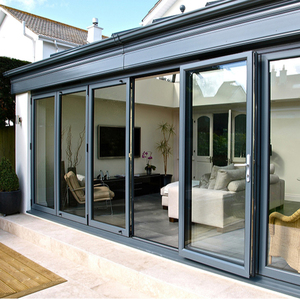
Custom Thermal Break Heavy Duty Aluminum Sliding Door Windproof Tempered Double Glazed Glass Sliding Doors For Houses
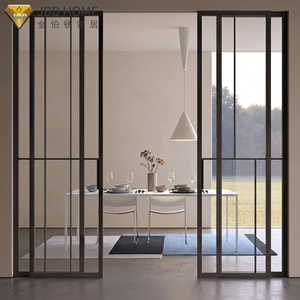
NFRC Certified Hurricane Impact Heavy Duty Aluminum Sliding Glass Door Double Tempered Glass for Houses Sliding Glass Doors
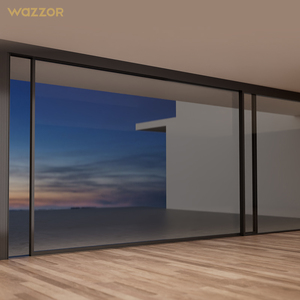
Wazzor Hurricane Rated Double Tempered Glass Sliding Doors System Exterior Interior Balcony Patio Glass Aluminum Door
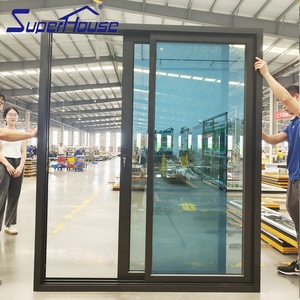
NOA Florida Standard High Impact 80PSF Hurricane Proof Sliding Door Aluminium Patio Door With Tinted Glass For Villa
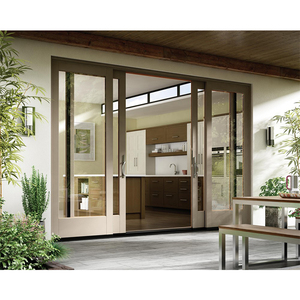
Hihaus New Double Cavity Giant Bi Parting Sliding Storm Stacker Glass Doors
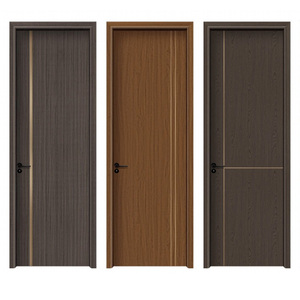
Minimalist French Interior Full Aluminum Door, Aluminum Honeycomb Core Wood Grain Arch Recessed Panel Bedroom Swing Door
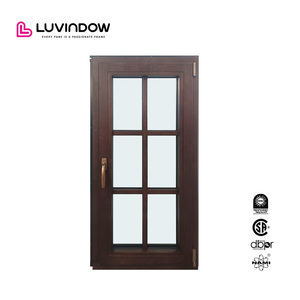
Climate Defense Wood House Windows Aluminum Clad Wood Casement Windows For Hill Country Estate
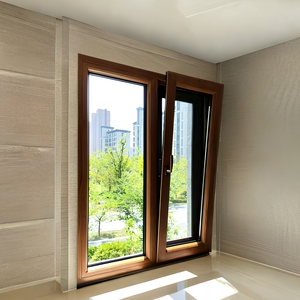
Manufactures Latest Design Aluminum Wood Triple Glazed Stainless Steel Custom Waterproof Tilt Turn Windows for Bathroom Houses
Engineering Whitepaper: Localized Application Scenarios Across Costa Rica
Costa Rica presents diverse atmospheric challenges that demand tailored fenestration specifications. Understanding the exact mechanical and chemical stresses exerted by regional microclimates allows for optimized structural design and extended component lifespans.
Pacific Coastal Villas (Guanacaste & Papagayo)
Coastal properties in Guanacaste, Santa Teresa, and Papagayo encounter severe marine environments characterized by airborne salinity, high UV exposure, and intense seasonal Papagayo wind gusts exceeding 80 km/h. Standard anodized frames degrade rapidly under salt fog. BrioWindow deploys 25-micron Fluorocarbon (PVDF) coated T6 6063 aluminium alloys with multi-point stainless steel 316 locking hardware and hurricane-impact laminated glass (PVB/SGP interlayers), ensuring structural stability and corrosion resistance against harsh coastal elements.
Rainforest & Eco-Lodge Retreats (Manuel Antonio & Arenal)
In high-humidity rainforest environments like Manuel Antonio, Drake Bay, and Arenal, continuous precipitation and 90%+ humidity cause conventional timber or low-tier framing to rot, swell, or warp. Our double-sealed thermal break sliding track systems feature continuous EPDM weather-stripping gaskets and integrated subterranean water drainage channels. This engineering design prevents water ingress during tropical downpours while supporting massive clear-span glass panels that connect guests directly with nature.
High-Altitude Residential & Commercial (San José & Valle Central)
The Central Valley (San José, Escazú, Santa Ana, Heredia) features cooler night temperatures and ambient urban sound pollution. Here, energy conservation and acoustic isolation take precedence. BrioWindow’s PA66 polyamide thermal break sliding profiles combined with Argon-filled double-cavity Low-E double glazing cut thermal bridging drastically. This yields Sound Transmission Class (STC) ratings over 42 dB and maintains interior ambient comfort without heavy reliance on HVAC systems.
Engineering Performance Matrix: BrioWindow Glazing Systems for Costa Rica
Technical benchmarks compiled in accordance with ASTM E1300, Florida Building Code (NOA), and NFRC testing standards.
| System Category | Alloy Grade & Profile | Wind Load Resistance | Acoustic Rating (STC) | Water Ingress Resistance | Thermal U-Value Range |
|---|---|---|---|---|---|
| Heavy Duty Sliding Door | T6 6063-T5 (2.0mm - 3.0mm wall) | 80 PSF / Hurricane Rated | STC 38 - 45 dB | 750 Pa (Pass ASTM E331) | 1.4 - 1.8 W/m²K |
| Narrow Frame Sliding System | T6 6063-T6 Slim Profile (2.2mm) | 55 PSF / Windproof | STC 35 - 40 dB | 600 Pa | 1.6 - 2.0 W/m²K |
| Tilt-Turn Casement Window | PA66 Thermal Break Aluminium | 90 PSF / Heavy Wind | STC 42 - 48 dB | 1050 Pa | 1.1 - 1.5 W/m²K |
| Storm Stacker Sliding Door | Multi-Track Heavy Aluminium | 85 PSF / Florida Standard | STC 40 - 46 dB | 900 Pa | 1.3 - 1.7 W/m²K |
Fenestration Trends Driving Costa Rica’s Architectural Evolution
Costa Rica’s commitment to environmental sustainability, paired with a surge in luxury real estate development, has reshaped building code demands and owner expectations.
1. Seamless Indoor-Outdoor Biophilic Design
Architects designing high-end residences in Nosara, Tamarindo, and Escazú prioritize unobstructed vistas. Minimalist aluminum sliding doors featuring ultra-thin center stiles (16mm to 25mm sightlines) and floor-recessed flush tracks are replacing conventional framed doors. These multi-panel stacker and bi-parting systems maximize natural light while creating fluid transitions between interior living rooms and exterior sun decks.
2. Decarbonization & Solar Heat Gain Control
Under Costa Rica’s National Decarbonization Plan, sustainable construction practices are vital. High Solar Heat Gain Coefficient (SHGC) glass significantly increases interior cooling loads. BrioWindow provides Low-E coated, spectrally selective double glazing with Argon gas fills, reflecting up to 78% of infrared thermal energy while permitting visible light penetration. This preserves natural illumination while drastically lowering HVAC electricity usage.
3. Hurricane-Rated & Seismic Preparedness
With tropical storms increasing in intensity across the Caribbean and Pacific basins, as well as seismic activity along the Pacific Ring of Fire, structural safety is paramount. Developers in Costa Rica are actively specifying NOA Florida Standard impact-tested frames with laminated structural glass interlayers (SGP). These systems absorb seismic deflections without structural failure and resist projectile impacts from severe storm winds.
Why Global Developers & Importers Partner with BrioWindow Technology
Headquartered in Nanhai District, Foshan—China’s world-renowned aluminum extrusion and architectural fenestration hub—BrioWindow Technology Co., Ltd. brings over 10 years of direct manufacturing and global export experience. We specialize in aluminum alloy sliding doors, casement windows, folding bi-fold doors, central axis pivot doors, smart motorized systems, and curtain walls.
Our factory-direct products are regularly exported to demanding markets in the United States, Canada, Australia, and over 60 countries worldwide. Every manufacturing batch undergoes rigorous quality control inspections adhering to national standards and validated by European and North American test methods.
Frequently Asked Questions by Costa Rican Buyers & Importers
Addressing technical, logistical, and import regulatory queries commonly raised by real estate developers, contractors, and architects in Costa Rica.
How do BrioWindow aluminium profiles withstand coastal corrosion in Guanacaste or Puntarenas?
Can your sliding door systems withstand heavy tropical downpours without leaking?
What shipping ports in Costa Rica do you deliver to, and how are fragile glass assemblies protected?
Can BrioWindow manufacture custom sizes based on architectural blueprints from Costa Rican firms?
What is the standard lead time for customized orders bound for Costa Rica?
Do your products comply with North American energy efficiency (NFRC) and wind load (NOA) standards?
Partner with a Trusted Foshan Manufacturer for Your Costa Rica Project
Whether you are developing a luxury hillside resort in Guanacaste, an eco-friendly lodge in Puntarenas, or a contemporary residential complex in San José, our engineering team is ready to assist with your fenestration requirements.
Contact Us