Engineered Door & Window Systems
Explore our high-performance architectural doors and security mosquito mesh systems designed for commercial, residential, and industrial applications across Vietnam and global export markets.
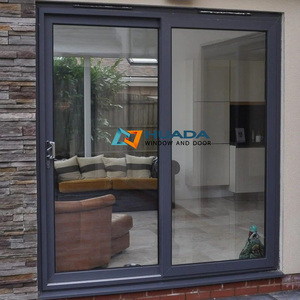
High-End Waterproof Entry Front Door Hurricane Impact Sliding Glass Windows and Doors Energy Efficient Lifting and Sliding Door
Get a Quote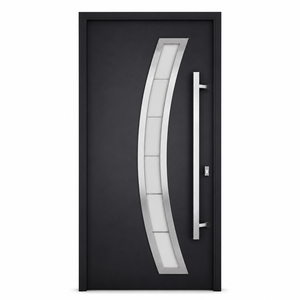
Yuyou Custom Design Luxury Aluminum Alloy Waterproof Front Entry Exterior Interior Main Entrance Door for Villa Hotel Commercial
Get a Quote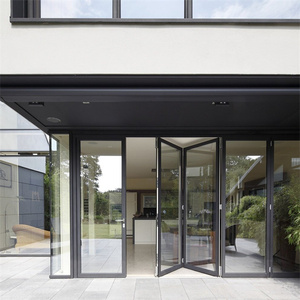
TOMA-as2047 Aluminium Door Fold Glass Door Bifold Sliding Door Darkly Glass Thermal Break
Get a Quote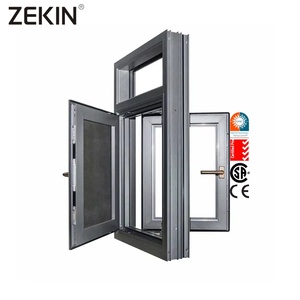
ZEKIN Modern Slim Frame Aluminum Casement Windows Reflective Glass Luxury Horizontal Swing Open Style for Apartments
Get a Quote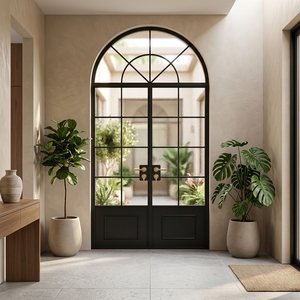
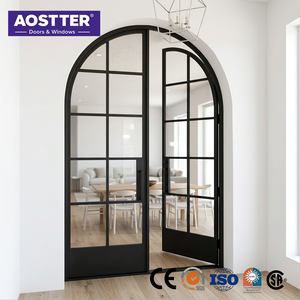
Modern Aluminum French Double Swing Doors with Arched Design for Living Room, Balcony, Hotel and Restaurant
Get a Quote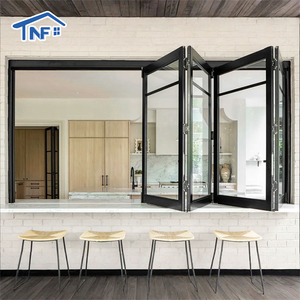
NF Modern Horizontal Folding Bifold Windows Aluminum Alloy For Canada & USA Markets Customized Size Powder Coated Villa Use
Get a Quote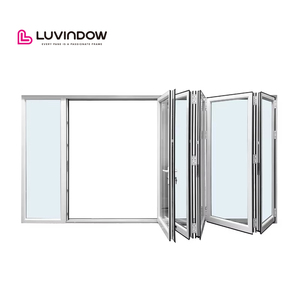
Eco Thermal Invisible Slide Perfect Fit Aluminum Folding Doors for North American Wood Frame Villas
Get a Quote10+
Years Manufacturing Expertise
60+
Global Export Destination Countries
30-Year
After-Sales Quality Assurance
100%
AS2047 & CE Quality Compliance
Section 1: Executive Summary & The Vietnam Fenestration Landscape
Vietnam has rapidly emerged as an essential hub for global architectural aluminum manufacturing, processing, and assembly. Driven by robust industrial expansion in key manufacturing corridors like Binh Duong, Dong Nai, Bac Ninh, and Hai Phong, as well as an explosive boom in residential high-rises and luxury coastal hospitality resorts across Ho Chi Minh City, Hanoi, Da Nang, and Phu Quoc, the demand for precision-engineered architectural openings has reached an all-time high. Among these specifications, aluminium mosquito net doors hold a vital strategic position.
The combination of Vietnam’s tropical monsoon climate—characterized by relative humidity levels frequently exceeding 85%, prolonged rainy seasons, high ambient heat, and heavy vector-borne insect pressure (such as Aedes aegypti mosquitoes)—requires building envelopes that deliver both continuous passive ventilation and impenetrable pest barriers. Conventional timber or low-grade vinyl screen doors degrade rapidly under high humidity and intense UV radiation. Consequently, architectural specifiers, general contractors, and commercial developers are increasingly turning to high-tensile 6063-T5/T6 extruded aluminum frame assemblies paired with high-durability 304/316 marine-grade stainless steel security mesh or retractable pleated insect screens.
B2B Procurement Insight: Sourcing aluminum mosquito net doors through integrated manufacturing channels in Vietnam and regional hubs like Foshan provides developers with tariff-optimized trade advantages under the ASEAN Free Trade Area (AFTA) and RCEP agreements, reducing landed costs while maintaining strict international quality standards such as AS2047, CE, and ISO9001.
Section 2: Technical Metallurgy, Profile Design & Mesh Engineering
A superior mosquito net door relies on the structural integrity of its underlying extrusion profiles and the resilience of its micro-mesh screen matrix. To survive extreme coastal salt spray, monsoon wind pressure, and daily mechanical cycles, modern manufacturing processes adhere to rigid engineering specifications:
1. Extrusion Alloy & Wall Thickness Specifications
Leading manufacturers utilize primary aluminum billet conforming to 6063-T5 or 6063-T6 temper specifications. Wall thicknesses typically range from 1.4 mm for standard residential sliding screen doors up to 2.0 mm–3.0 mm for heavy-duty security swing screens and commercial pivot applications. Multi-cavity profile geometries provide internal webbing that resists torsional warping, maintaining structural rigidity up to dynamic wind pressures of 3,000 Pa.
2. Surface Finishing & Corrosion Resistance
In humid tropical environments, untreated aluminum risks galvanic and filiform corrosion. Advanced factories employ automated vertical electrostatic powder coating lines certified under Qualicoat Class 2 standards using fluorocarbon (PVDF) or architectural-grade polyester coatings from suppliers like AkzoNobel or PPG. These surface treatments withstand over 3,000 hours of continuous salt spray testing (ASTM B117 standards), ensuring colour fastness and film integrity even when installed on beachfront resorts in Nha Trang or Da Nang.
3. Mesh Material Engineering & Specifications
The performance of insect protection doors depends heavily on screen mesh technology. Modern architectural specifications classify mesh into three core functional categories:
- 304/316 Security Stainless Steel Wire Mesh: Utilizing wire diameters from 0.7 mm to 0.9 mm woven into an 11-mesh or 14-mesh matrix. This mesh functions as a dual-purpose barrier—blocking insects while providing shear-resistant, knife-proof security against illegal forced entry.
- High-Toughness Polyester & Fiberglass Invisible Mesh: Woven from PVC-coated fiberglass filaments (18x16 mesh count), offering up to 85% visual transparency, maximum airflow clearance, and self-cleaning static resistance.
- Pleated Trackless Mesh (Accordion Screens): Engineered with folded PET/PP memory fabrics supported by internal Kevlar tension cords, enabling smooth lateral operation across wide openings without requiring a raised floor threshold.
Performance Matrix of Architectural Mosquito Net Door Systems
| Door System Category | Profile Wall Thickness | Screen Mesh Type | Wind Load Rating | Primary Application Scenario |
|---|---|---|---|---|
| Heavy-Duty Security Mesh Swing Door | 1.8 mm – 2.5 mm | 0.8mm 304 Stainless Steel Mesh | Up to 3,500 Pa | Villa Main Entrances, Ground-Floor Patio Doors |
| Ultra-Slim Sliding Insect Door | 1.4 mm – 1.8 mm | 0.6mm High-Tensile SS / Fiberglass | Up to 2,200 Pa | High-Rise Balconies, Residential Apartments |
| Trackless Bifold Pleated Screen Door | 1.2 mm – 1.6 mm | Waterproof Polyester Accordion Mesh | Up to 1,500 Pa | Wide Terrace Openings, Commercial Cafes |
| Thermal Break Integrated Glass + Mesh Door | 2.0 mm – 3.0 mm | Integrated Double Glass + 316 SS Screen | Up to 4,000 Pa | Luxury Coastal Resorts, Air-Conditioned Villas |
Section 3: Localized Application Scenarios Across Vietnam
Different regions in Vietnam present distinct architectural requirement profiles. Understanding these localized environments enables project specifiers to choose optimized door profiles and surface treatments:
1. Urban High-Rises in Ho Chi Minh City & Hanoi
High-rise apartments above the 15th floor experience elevated negative wind load pressures alongside intense sun exposure. Thin-frame aluminum sliding doors integrated with child-safety stainless steel screens prevent accidental falls while guaranteeing ventilation during humid summer nights without letting in mosquitoes or midges.
2. Coastal Luxury Resorts in Phu Quoc & Da Nang
Hospitality structures situated within 500 meters of the coastline face constant exposure to airborne chlorides. Specifications demand 316 marine-grade stainless steel wire with 70% PVDF fluorocarbon coatings to prevent pitting corrosion, preserving crystal-clear ocean views for hotel guests.
3. Industrial Cleanrooms in Binh Duong & Bac Ninh
Manufacturing facilities producing electronics, pharmaceuticals, and foodstuffs must comply with strict HACCP and ISO cleanroom standards. Motorized rapid-roll aluminum insect barrier screens equipped with high-density brush seals stop flies and pests from entering loading bays and production zones.
Section 4: Emerging Industry Trends in the Vietnamese Market
The architectural hardware sector across Southeast Asia is evolving rapidly. Key technological and design trends dominating procurement specifications in Vietnam include:
1. Barrier-Free Trackless Motorization
Traditional sliding screen doors feature raised floor tracks that collect dirt and create tripping hazards for children and elderly residents. The market is rapidly shifting toward bottom-recessed or fully trackless pleated screen systems featuring chain-articulated guides that collapse flush into jamb extrusions when opened.
2. Thermal Break Retrofitting & Energy Savings
With electricity tariffs rising across Vietnam, green building protocols like LOTUS and EDGE are driving adoption of polyamide thermal break aluminum frames. Dual-frame integration allows a thermal-break glass door and a heavy-duty stainless steel security screen door to share a single outer frame, curbing heat transfer during air-conditioned daylight hours while allowing natural cooling breezes after dusk.
3. Smart Home IoT Sensor Integration
Modern luxury developments in Hanoi and HCMC are embedding magnetic door status sensors and motorized micro-actuators directly into screen frame channels. Homeowners can automate screen closures when rain sensors detect incoming tropical storms or monitor security status remotely via mobile apps.
Section 5: Local Buyer FAQ (B2B Procurement in Vietnam)
What are the key tax and trade tariff considerations when importing aluminum doors into Vietnam? ▼
Under the ASEAN-China Free Trade Area (ACFTA), goods accompanied by a Form E Certificate of Origin enjoy preferential zero to low import duty tariffs when cleared through Vietnamese sea ports such as Cat Lai (HCMC) or Hai Phong. BrioWindow provides full Form E documentation, compliance testing, and HS Code classification to ensure seamless custom clearance.
How do I determine whether to specify 304 or 316 stainless steel mesh for a project in Vietnam? ▼
For inland projects located in Hanoi, Binh Duong, or urban Ho Chi Minh City (more than 10 km from the coastline), 304 grade stainless steel mesh with an electro-coated black finish provides excellent corrosion resistance and anti-theft security. For beachfront resorts or island developments in Phu Quoc and Nha Trang, 316 marine-grade stainless steel is strictly mandatory to prevent pitting caused by high salt concentration in coastal mist.
Can BrioWindow manufacture custom aluminum extrusions according to architectural CAD drawings? ▼
Yes. Our engineering team reviews architectural CAD/BIM drawings, structural opening schedules, and localized wind load targets. We offer custom die extrusion tooling, bespoke frame profiling, custom powder coating matching any RAL color code, and specialized hardware integration tailored precisely to your project's specifications.
What is the average production lead time for full container load (FCL) orders shipped to Vietnam? ▼
Standard production lead time for custom aluminum door orders is typically 20 to 25 business days following final drawing sign-off and color sample approval. Ocean transit from our Foshan export hub to major Vietnamese ports (Cat Lai, Da Nang, Hai Phong) takes an efficient 3 to 7 days, allowing rapid project delivery timelines.
What warranty and after-sales support guarantees are provided to overseas contractors? ▼
BrioWindow provides a 30-year structural after-sales quality assurance covering aluminum frame extrusion integrity and surface coating durability. All hardware mechanisms, hinges, rollers, and mesh tensioners are backed by a 10-year replacement warranty, supported by comprehensive installation manuals and remote technical guidance.
Section 6: Why Partner with BrioWindow Technology Co., Ltd.
Headquartered in Foshan, China—the world’s premier center for aluminum extrusion engineering and fenestration technology—BrioWindow Technology Co., Ltd. stands as a trusted manufacturing partner for developers, contractors, and importers across Vietnam, North America, Australia, and over 60 countries worldwide.
With over a decade of dedicated export experience, our dual-factory infrastructure bridges high-precision Chinese aluminum extrusion technology with localized Southeast Asian supply chains. We offer a single, accountable source for comprehensive architectural opening systems—spanning aluminum sliding doors, casement swing windows, heavy-duty folding bi-folds, central axis pivot doors, PVC doors, smart motorized systems, and integrated insect screen barriers.
- Comprehensive Testing & Certification: Every product series passes rigorous laboratory testing matching European and AS2047 Australian fenestration standards, guaranteeing wind pressure, air infiltration, and water tightness compliance.
- Bespoke OEM/ODM Engineering Support: From detailed shop drawings to hardware customization, our engineering team works directly with your project specifiers to streamline procurement and minimize site-level modification costs.
- 30-Year Structural Quality Assurance: We back our manufacturing excellence with a 30-year quality guarantee, providing long-term peace of mind and reliable performance for your architectural investments.
Ready to Source Architectural Aluminum Mosquito Net Doors?
Connect directly with our engineering and procurement team to request structural CAD drawings, physical material samples, factory pricing, or bespoke OEM/ODM manufacturing quotes for your projects in Vietnam and worldwide.
