Engineered Architectural Glazed Door Systems
Direct factory specifications tailored for residential villas, commercial towers, and resort developments across Peninsular & East Malaysia.
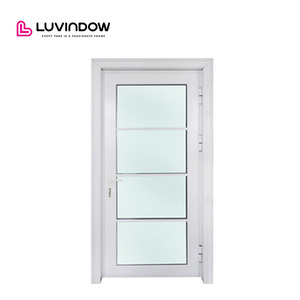
High Quality NFRC Standard Double/Triple Tempered Glass Aluminium Door Modern Swing Hinged Thermal Break Windproof Waterproof
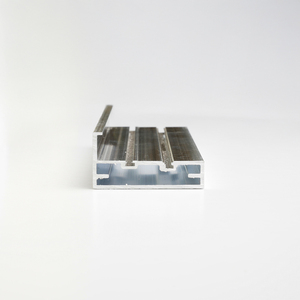
Louver Aluminum Glass Jalousie 9/10Mm Wood Panel Aluminum Frame For Door And Window For Corner Cabinet
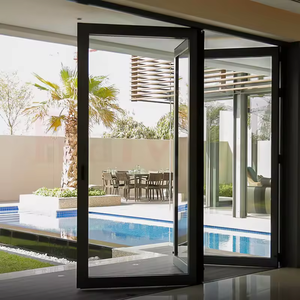
Folding Glass Door Sliding Glass Porch Panoramic Accordion Modern Courtyard Outdoor Interior Partition Bifold Doors
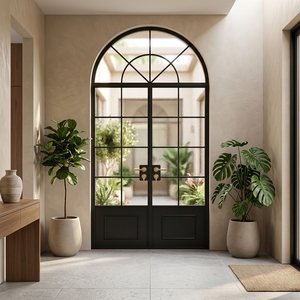
Modern Aluminum French Double Swing Doors with Arched Design for Living Room, Balcony, Hotel and Restaurant
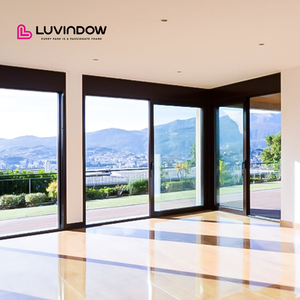
LUVINDOW Wholesale Aluminum Profile Lift and Sliding Patio Glass Door for Outdoor Partitions
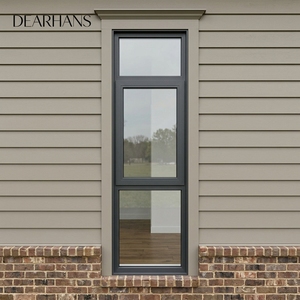
Aluminium windows Australian Standard Double Glazed Soundproof Types Aluminium Profile Casement windows Energy Efficient
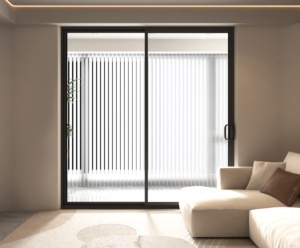
AS2047 Australian Standard Aluminium Sliding Stacking Doors Waterproof Windows and Door Showroom Finished Surface in Australia
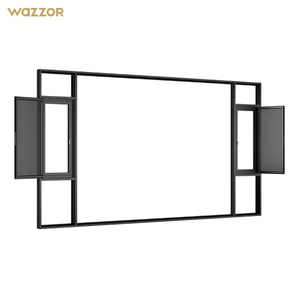
Wazzor New Arrival Villa Modern Hurricane-Proof Impact Energy Efficiency Patio Aluminum Double Glass Hinge Window
Executive Sourcing Analysis: Sourcing Aluminium Glazed Doors for Malaysia’s Modern Built Environment
Malaysia’s architectural sector is experiencing a significant shift toward high-performance, energy-efficient fenestration. Driven by rapid urban development in metropolitan centers such as the Greater Kuala Lumpur area (Klang Valley), Penang (George Town), Johor Bahru (Iskandar Malaysia), and East Malaysian hubs like Kota Kinabalu, local property developers, main contractors, and facade consultants are re-evaluating building envelope specifications. Among building envelope elements, aluminium glazed doors stand out as pivotal components that dictate both thermal performance and architectural visual impact.
Procuring from verified manufacturing partners—specifically direct OEM factories situated in Foshan, China’s industrial capital for architectural aluminium—offers Malaysian developers a distinct strategic advantage. High-capacity extrusion lines, precision CNC machining, standard-aligned anodizing/PVDF surface treatments, and advanced thermal break technology enable foreign factories to deliver systemized aluminium glazed doors that easily conform to local standards such as MS 1017 (Specification for Aluminium Windows and Doors in Buildings), while providing significant cost efficiencies over localized small-scale fabricators.
Microclimate Engineering: Tailoring Glazed Doors for Malaysia's Hot-Humid Equatorial Environment
Malaysia's equatorial climate presents specific structural, chemical, and thermal challenges to fenestration products. High relative humidity (often exceeding 80%), intense year-round UV exposure, high ambient temperatures (average 28°C–34°C), and severe torrential downpours during the Southwest and Northeast Monsoons demand engineered door systems rather than standard commercial-grade profiles.
Thermal Insulation & HVAC Efficiency
Indoor space cooling accounts for over 40% of electricity consumption in Malaysian commercial and luxury residential towers. Installing Polyamide PA66 Thermal Break Aluminium Frames paired with Double-Glazed Low-E Argon-filled glass units drastically reduces Solar Heat Gain Coefficients (SHGC) down to 0.25–0.30, mitigating thermal conduction and lowering HVAC operational costs.
Monsoon Water Tightness (Pa Rating)
Tropical rainstorms frequently push atmospheric wind-driven rain against building facades. Quality factories utilize multi-chamber EPDM dual-injected weather-stripping gaskets, hidden continuous drainage slots, and stepped sill tracks that achieve high water tightness performance (testing beyond 450 Pa - 600 Pa per AS2047 and MS 1017 benchmarks), preventing water ingress during heavy monsoons.
Corrosion & Coastal Salt-Air Resistance
For coastal developments in Penang, Langkawi, Desaru, or Kota Kinabalu, airborne salt particles cause aggressive filiform corrosion on standard untreated metal profiles. Leading factories apply Fluorocarbon (PVDF) 3-Coat Finishes or Qualicoat Class 2 Architectural Powder Coatings, guaranteeing 20+ years without chalking, blistering, or surface degradation.
Comprehensive Technical Specification & Material Matrix
For procurement managers, architects, and quantity surveyors comparing Chinese OEM manufacturing standards against local Malaysian site requirements:
| Performance Parameter | Standard Factory Specification | Premium Tropical Specification | Malaysian Architectural Impact |
|---|---|---|---|
| Alloy & Temper | 6063-T5 High Purity Aluminium | 6063-T6 / 6060-T66 Structural Grade | Higher tensile strength for wide-span panoramic glazed panels. |
| Profile Wall Thickness | 1.4mm – 1.8mm Door Systems | 2.0mm – 3.0mm Heavy Duty Profiles | Ensures frame stability under extreme wind pressures (e.g., high-rise KL balconies). |
| Glazing Assembly | 5mm + 12A + 5mm Double Tempered | 6mm Low-E + 12Ar + 6mm Laminated Safety Glass | Significantly reduces acoustics (STC up to 42dB) and blocks up to 99% UV rays. |
| Thermal Separation | Non-Thermal Break / Standard Strip | Technoform PA66GF25 Polyamide Struts | Prevents frame condensation in indoor air-conditioned zones. |
| Surface Coating | Electrophoresis / Standard Powder Coat | AkzoNobel / PPG Fluorocarbon PVDF (25-Year) | Resists severe tropical sunlight and marine salt fog fading. |
| Hardware & Locksets | Multi-Point European Groove Hardware | CME / Siegenia / Hoppe Heavy Duty Systems | Provides forced-entry security and smooth operation for leaves up to 400kg. |
Key Architectural & Market Trends Shaping Malaysia
Understanding local buyer behavior and architectural direction is vital for property developers and hardware distributors looking to stay competitive in the local market.
1. Green Building Index (GBI) Alignment
Malaysia’s Green Building Index (GBI) and Sustainable Energy Development Authority (SEDA) incentives encourage developers to adopt high-efficiency facade products. Thermal break aluminium glazed doors with Low-E glass earn crucial points in the Energy Efficiency (EE) and Indoor Environmental Quality (EQ) categories for residential and commercial building certifications.
2. Indoor-Outdoor Alfresco Living Concepts
Luxury landed homes in Damansara Heights, Bangsar, Iskandar Puteri, and Penang high-end bungalows favor seamless boundaries between air-conditioned interiors and covered patio pools. Heavy-duty Multi-Track Lift-and-Slide Doors and Panoramic Bi-Fold (Accordion) Doors are in high demand due to their ability to open up vast clear widths while maintaining complete weatherproofing when closed.
3. Ultra-Slim Interlock Sightlines
Modern minimalist aesthetics demand hidden outer frames and ultra-narrow vertical meeting stiles (as thin as 16mm to 25mm). Importers and factories supplying narrow-frame glazed doors with motorized automation systems are capturing a growing share of the upscale villa and hospitality market.
Why Source from BrioWindow Technology Co., Ltd. (Foshan Factory)
Direct integration from raw profile extrusion to finished assembly—delivering certified engineering excellence directly to Malaysian ports.
Foshan Industrial Ecosystem Hub
Located in Lishui Town, Nanhai District, Foshan—the world-renowned capital of aluminium profile manufacturing—BrioWindow leverages immediate access to top-tier raw materials, specialized hardware foundries, and advanced testing facilities.
30-Year After-Sales Assurance
Every order undergoes rigorous factory pre-assembly and multi-point structural quality checks. We back our complete product lines with a solid 30-year quality guarantee, assuring long-term peace of mind for international project partners.
Custom Engineering & CAD Review
Our dedicated engineering department reviews architectural project drawings, structural wind load calculations, and structural opening schedules to deliver customized OEM/ODM profile designs, shop drawings, and exact component list matching.
Frequently Asked Questions for Sourcing to Malaysia
Essential guidance for Malaysian contractors, importers, and developers considering direct factory orders.
