Featured Crittall-Style & Glazing Door Systems
Engineered by BrioWindow Technology Co., Ltd. for seamless export to Tokyo, Osaka, Yokohama, Nagoya, and coastal Japanese developments.
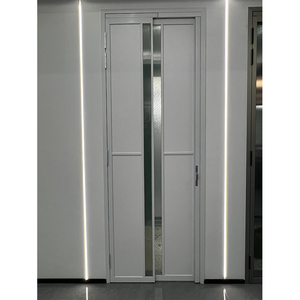
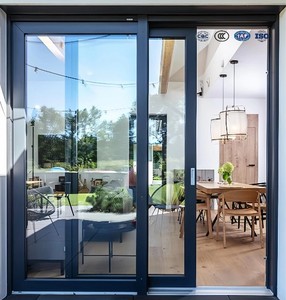
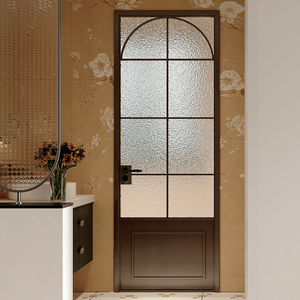
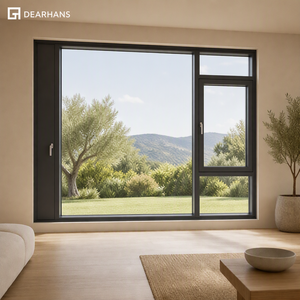
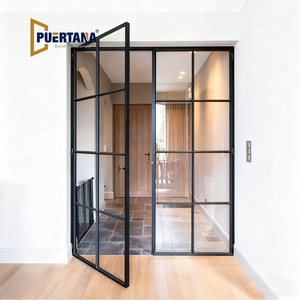
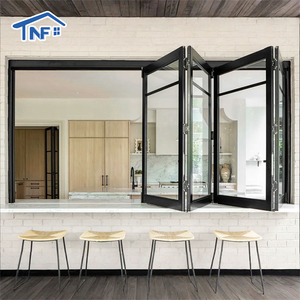
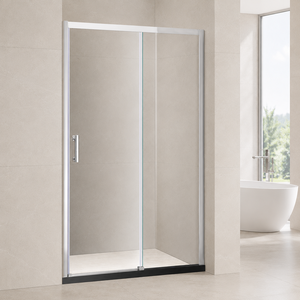
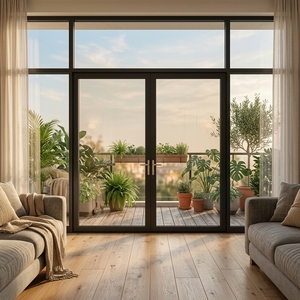
1. Architectural Evolution: Why Aluminium Crittall Doors Are Transforming Japanese Fenestration
The contemporary Japanese architectural landscape is undergoing a profound design synthesis. Known for blending minimal aesthetic philosophy with extreme functional rigor, developers, architects, and private buyers across Japan—from Tokyo's compact urban lots to luxury villa developments in Niseko and Karuizawa—are increasingly specifying Aluminium Crittall-Style External Doors over traditional steel or standard vinyl fenestration.
Historically, original steel Crittall doors established the iconic slim-profile, multi-pane grid design during the early 20th century. However, legacy raw steel systems present significant thermal bridging and corrosion challenges when exposed to Japan's diverse climatic spectrum. Japan experiences severe coastal humidity, heavy summer typhoons, and intense winter snowlines in northern prefectures like Hokkaido and Nagano. Modern extruded aluminum alloy profiles engineered by BrioWindow Technology Co., Ltd. solve this thermal and environmental dilemma.
By employing high-tensile 6063-T5 and 6063-T6 architectural grade aluminum extrusions combined with polyamider thermal break strips (PA66-GF25), our Crittall-style external door systems replicate the iconic ultra-narrow sightlines of classic steel framing while delivering superior thermal insulation (U-values down to 1.4 W/m²K), typhoon-grade wind pressure resistance (conforming to Japanese Industrial Standards JIS A 4702), and complete corrosion immunity in saline air environments.
Ultra-Slim Sightlines
Extremely narrow mullions and transoms (profile depth from 30mm to 50mm) maximize natural daylight transmission, ideal for daylight-harvesting design in dense Japanese urban neighborhoods.
Thermal Break Engineering
Dual-cavity polyamide PA66 insulation strips prevent condensation formation inside Japanese homes during cold winters, maintaining internal climate equilibrium.
Typhoon & Rain Resistance
Multi-point lock hardware paired with continuous EPDM triple-gasket sealing protects against severe wind-driven rain during Japan's monsoon and typhoon seasons.
2. Technical Specifications & Engineering Standards for the Japan Market
To successfully integrate into Japanese residential (Jutaku) and commercial construction projects, external doors must comply with stringent structural, energy conservation, and acoustic requirements. Below is the technical specification matrix of our export-ready Crittall-style aluminum door systems manufactured in Foshan, China.
| Performance Metric | BrioWindow Technical Parameter | Japanese Industrial Standard (JIS) / Code Compliance |
|---|---|---|
| Frame Material | Extruded Aluminum Alloy 6063-T5 / T6 (1.6mm - 2.5mm wall thickness) | JIS H 4100 Standard Aluminum Profiles |
| Thermal Insulation (U-Factor) | 1.2 - 1.8 W/m²K (Depending on Low-E double/triple glazing configuration) | JIS A 4710 Thermal Performance Class H-4 / H-5 |
| Wind Pressure Resistance | Up to 4500 Pa (Design wind load capacity) | JIS A 4702 Wind Pressure Grade S-5 to S-7 |
| Water Tightness | 500 Pa to 750 Pa continuous pressure resistance | JIS A 4702 Water Tightness Grade W-4 / W-5 |
| Air Infiltration (Airtightness) | Class 4 (Under 0.5 m³/h·m² at 100 Pa) | JIS A 4702 Airtightness Grade A-4 |
| Acoustic Attenuation (Soundproofing) | Rw = 32 dB to 42 dB (With acoustic laminated glass) | JIS A 4702 Soundproofing Grade T-2 to T-3 |
| Surface Finishing Options | Fluorocarbon PVDF Coating, Anodized Matt Black, Electrophoresis, Powder Coating | JIS H 8601 Anodizing & JIS H 8602 Organic Coatings |
3. Localized Application Scenarios in Japanese Architecture
Our aluminum Crittall-style external door systems are engineered to address specific architectural typography and localized spatial constraints common across Japanese prefectures:
Tokyo & Osaka Micro-Residences (Kyosho Jutaku)
In high-density metropolitan areas where property boundaries are constrained, wide solid walls reduce natural light. Installing slim-framed aluminum Crittall French doors or pocket sliding doors on exterior garden walls or roof terraces allows maximum light penetration while creating an expansive visual sense of space.
Kyoto & Nara Modern Machiya Conversions
Renovating traditional Japanese townhouses (Machiya) into contemporary boutique hotels, tea houses, or private residences requires balancing heritage timber aesthetic with modern industrial glass styling. Matte black fluorocarbon-coated aluminum Crittall doors seamlessly complement deep cedar wood tones while updating structural performance.
Niseko & Hakuba Alpine Luxury Resorts
Northern Japan's ski resorts demand high-capacity thermal break engineering to prevent heavy ice accumulation and heat loss. Our triple-glazed, argon-filled Crittall exterior entry doors provide extreme U-value thermal retention while offering guests unobstructed panoramic snowscape views.
4. Key Localized Trends Driving Japan's Exterior Door Market
As Japanese architectural guidelines evolve toward carbon neutrality (ZEH - Zero Energy House standards) and universal accessibility, export suppliers must align with key localized developments:
1. Transition from Steel to Aluminum Alloy
Architects are actively replacing heavy steel frames with high-strength extruded aluminum alloy. Aluminum delivers identical visual geometric grid patterns but eliminates rust risks, reduces structural dead weight by 60%, and allows smoother daily operation.
2. Barrier-Free Threshold Integration
In accordance with Japan's Universal Design guidelines for an aging population, our Crittall external doors feature low-profile or flush-mounted thermal break sills (under 15mm height), preventing tripping hazards while guaranteeing water drainage capacity.
3. Smart Lock & Biometric Integration
Modern Japanese homeowners expect seamless digital entry. Our custom aluminum door stiles are engineered to embed European and Japanese multi-point smart locks, including fingerprint recognition, RFID card access, and Smartphone Bluetooth integration.
5. Why Global Importers & Japanese Developers Choose BrioWindow
Based in Nanhai District, Foshan City—China's global capital for aluminum extrusions and high-end fenestration manufacturing—BrioWindow Technology Co., Ltd. stands as a premier direct factory manufacturer and exporter.
- 10+ Years Export Specialization: Over a decade of dedicated international export experience, serving real estate developments, contractors, and trading partners across North America, Australia, Europe, and over 60 countries worldwide.
- 30-Year Quality Assurance Warranty: We provide long-term after-sales quality backing on structural profiles, giving overseas distributors and Japanese builders total operational confidence.
- Full OEM / ODM Drawing Customization: Our in-house architectural engineering team converts project CAD files, BIM models, and elevation schedules into detailed shop drawings tailored to Japanese opening dimensions.
- Comprehensive Product Ecosystem: In addition to aluminum Crittall-style swing and sliding doors, our factory produces aluminum sliding/casement windows, PVC doors & windows, wooden internal doors, fire-rated doors, sunrooms, and curtain wall systems.
6. Frequently Asked Questions by Japanese Buyers & Importers
Direct insights addressing procurement, shipping logistics, customization, and Japanese technical compliance.
Can BrioWindow manufacture Crittall-style external doors to custom Japanese project dimensions?
How do aluminum Crittall doors perform against severe typhoons and coastal salt air in Japan?
What glazing options are recommended to satisfy thermal insulation requirements in northern Japan?
What is the typical export lead time and shipping process to major Japanese ports?
Are insect screens available for Crittall-style external French and sliding doors?
How are doors protected during transit to prevent glass breakage and frame scratches?
What hardware brands are utilized for BrioWindow aluminum door systems?
What documentation is provided for customs clearance and Japanese import compliance?
Request a Direct Factory Quote & Technical Catalog
Planning a residential project, commercial development, or looking to import high-performance Aluminium Crittall doors to Japan? Partner directly with Foshan's premier door and window manufacturer.
Get Catalog