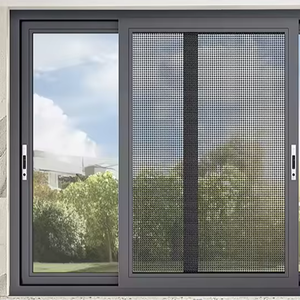
High-Performance Aluminum Doors & Windows Portfolio
Engineered for extreme structural load capacity, weatherization, and architectural elegance. Trusted by commercial developers, contractors, and importers across 60+ countries.
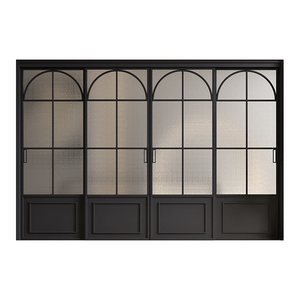
Entry Hurricane Impact French Exterior Thermal Break Aluminum Alloy Patio Doors TUV
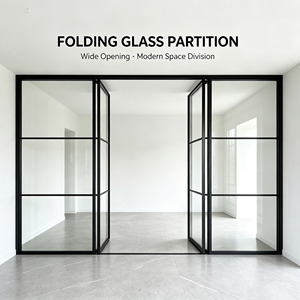
Modern Minimalist Waterproof Sliding Doors | Ultra-Narrow Aluminum Profile System
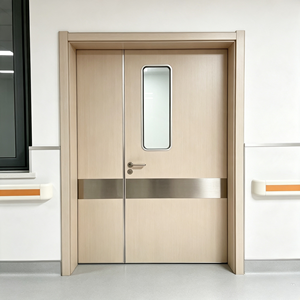
Aluminium Interior Screen Door Crimsafe 304 Stainless Steel Security Anti-Theft Door
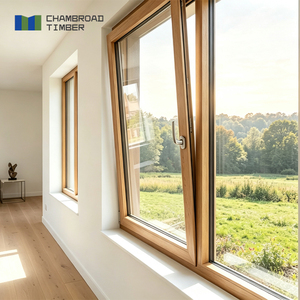
Aluminum Clad Wood Windows Triple Glazed Low-E Glass PHI Certified Energy Star
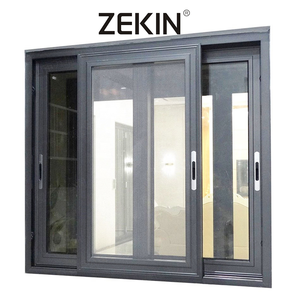
Thermal Break Aluminum Frame Sliding Windows Double Glazed Low-E Custom Size
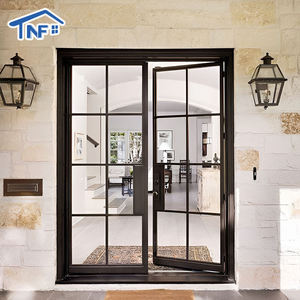
Factory Direct Black Aluminum Frame Casement Entry Door Soundproof French Patio Door
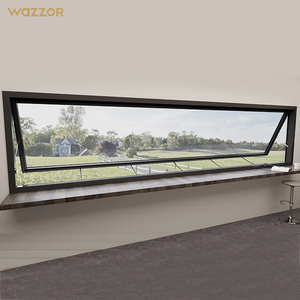
Top-Out Awning Window Australia Standard Aluminum Glass Gas Strut Structural Window
10+
Years Manufacturing Excellence
60+
Countries Global Reach
30-Year
Quality Assurance Warranty
100%
Structural Compliance Tested
Engineering Aluminum Cellar Doors & Sub-Grade Fenestration: Technical Overview
In modern architectural design and sub-grade infrastructure, cellar access doors (frequently referred to as basement hatch doors, egress access covers, or subterranean doors) serve a dual purpose: maintaining structural envelope protection against extreme environmental loads while providing frictionless access to lower building levels. As global building codes undergo stringent revisions regarding structural load capacity, thermal efficiency, and water ingress prevention, architectural specifying officers and international buyers are overwhelmingly shifting from traditional painted carbon steel to heavy-duty extruded 6063-T6 structural aluminum alloy systems.
Traditional subterranean doors constructed from carbon steel present severe long-term lifecycle liabilities, including oxidation degradation, hinge seizing, severe thermal bridging, and excess dead weight that complicates manual or hydraulic operation. Modern extruded aluminum alloy assemblies manufactured by premier Foshan producers address these critical engineering vulnerabilities through material science innovations, advanced surface passivation treatments, and engineered perimeter sealing systems.
Technical Information Gain: Extruded 6063-T6 aluminum alloy possesses a yield strength of ≥170 MPa and tensile strength of ≥205 MPa. Combined with a protective anodized or Fluorocarbon (PVDF) powder coating, it exhibits a corrosion resistance profile up to 10 times higher than untreated structural carbon steel in subterranean and coastal humidity micro-climates.
Structural Metallurgy and Alloy Selection
The operational longevity of a cellar entry hatch or exterior basement door depends directly on profile alloy purity and tempering. At BrioWindow Technology Co., Ltd., structural profiles utilized in our doors and windows are precision-extruded from virgin 6063-T6 aluminum billet. The T6 heat treatment schedule (solution heat-treated and artificially aged) stabilizes the mechanical crystal structure, preventing micro-deformation under dynamic live loads, vehicle over-travel, or heavy snowfall accumulation on horizontal doors.
Hydrostatic Sealing and Watershed Engineering
Sub-grade enclosures must withstand localized water ponding and torrential surface run-off. Modern aluminum cellar entry designs incorporate multi-stage water clearance channels. The external door frame integrates a recessed continuous perimeter gutter equipped with high-capacity drainage spouts. Primary sealing relies on anti-aging EPDM (Ethylene Propylene Diene Monomer) gasket seals that remain elastomeric across extreme ambient temperatures (-40°C to +120°C), effectively isolating the interior cellar environment from water ingress, gas migration, and pest intrusion.
| Material Parameter | Architectural Aluminum (6063-T6) | Mild Carbon Steel (A36) | Structural PVC / Vinyl |
|---|---|---|---|
| Corrosion Resistance | Exceptional (Native Al₂O₃ + PVDF Layer) | Poor (Requires constant painting) | High (Immune to oxidation) |
| Strength-to-Weight Ratio | Superior (Density: 2.70 g/cm³) | Moderate (Density: 7.85 g/cm³) | Low (Structural warping risk) |
| Thermal Expansion Coeff. | 23.4 × 10⁻⁶ / K (Stable fitment) | 12.0 × 10⁻⁶ / K | 50-80 × 10⁻⁶ / K (High expansion) |
| Operational Lifespan | 30 - 50+ Years (Zero decay) | 10 - 15 Years (Rust decay) | 15 - 20 Years (UV degradation) |
Global Sourcing & Future Procurement Trends for Sub-Grade Door Systems
As commercial builders and residential contractors adjust to changing economic indicators, raw material price shifts, and tighter international building standards, sub-grade access door procurement strategies are evolving rapidly. B2B purchasers across the North American (US/CA) and Australian (AU) markets are moving away from fragmented localized fabrication toward factory-direct overseas OEM/ODM partnerships.
1. Prefabricated Modular Kits
Global contractors face rising on-site labor costs. Future procurement shifts heavily favor pre-assembled aluminum cellar door kits equipped with factory-fitted gas struts, pre-drilled flange anchor points, and integrated drainage pans that reduce field installation times by up to 65%.
2. High-Performance Thermal Breaks
With stringent ENERGY STAR® and Passive House (PHI) requirements expanding into sub-grade basements, demand for thermal break aluminum profiles featuring polyamide (PA66GF25) isolation strips is surging. Thermal barrier construction eliminates interior sweat condensation on sub-grade door leaves.
3. Rigorous Egress Security Compliance
Building inspectors strictly enforce life-safety egress requirements (such as IRC Section R310 in North America). Future-proof purchasing demands interior quick-release flush lock latches, heavy-duty gas strut counterbalances for single-hand lifting, and structural impact-rated construction.
Technology & Product Development Trends in Aluminum Hatch & Cellar Access
The manufacturing landscape in Foshan, China—the hub of global architectural aluminum production—is undergoing rapid technological modernization. BrioWindow Technology Co., Ltd. continuously invests in R&D to lead next-generation fenestration innovations:
1. Motorized Smart Actuation & Remote Integration
Contemporary luxury villas and high-end commercial properties are replacing manual cellar hatch opening mechanisms with low-voltage linear electromechanical actuators. Smart cellar doors integrate directly into home automation networks (Z-Wave, Zigbee, or dry contact triggers), enabling opening via wall switch, remote handset, or smartphone application with automatic rain-sensor closure.
2. Structural Glazed Flush Cellar Doors
Combining heavy-gauge extruded aluminum sub-frames with laminated toughened low-iron walk-on glass panels represents a major architectural trend. These structural glass cellar hatches transform dark subterranean space entry points into light wells without compromising floor usability or loadbearing capacity.
3. Architectural Powder Coatings & C5 Marine Finishes
Surface treatment technology has evolved from standard electrostatic spraying to fluorocarbon (PVDF) electrostatic baking and Qualicoat-certified finishes. These advanced coatings allow aluminum cellar doors to resist coastal salt spray corrosion (ASTM B117 tested over 3,000 hours), chemical soil acids, and intense solar UV degradation without chalking or blistering.
Why Partner with BrioWindow: Manufacturing & Export Advantages
Headquartered in Nanhai District, Foshan, Guangdong, BrioWindow Technology Co., Ltd. represents the peak of Chinese fenestration craftsmanship and export capability. For over 10 years, we have provided tailored solutions to real estate developers, building material importers, and commercial construction firms worldwide.
Foshan Industrial Cluster Synergy
Situated in China's top aluminum manufacturing hub, BrioWindow leverages raw material purity, state-of-the-art multi-axis CNC machining, and automated extrusion lines to offer competitive factory-direct pricing with uncompromising quality control.
30-Year After-Sales Assurance
Every structural system, hinged door, sliding glass assembly, and cellar access hatch from BrioWindow undergoes rigorous national lab inspection and is backed by a 30-year quality guarantee for structural integrity.
Custom Engineering & BIM/CAD Support
Our dedicated engineering department reviews architectural opening schedules, structural wind load targets, and thermal specifications, delivering custom shop drawings and structural calculations for overseas tender projects.
Procurement & Engineering Frequently Asked Questions (FAQ)
Key technical insights addressing high-intent queries from international procurement managers and project engineers.
What specific structural alloy grades does BrioWindow utilize for cellar and exterior door assemblies? +
We primarily utilize high-grade extruded 6063-T6 aluminum alloy for main structural frames and door leaves. For heavy-duty industrial cellar hatches subject to vehicle over-travel or elevated dynamic loads, we offer reinforced 6005A-T6 or 6061-T6 aluminum profiles. All alloys conform to international standards including ASTM B221 and EN 755.
How do BrioWindow aluminum cellar access doors prevent surface water penetration during torrential weather? +
Our cellar hatch doors incorporate a dual-defense watershed engineering design. First, a recessed perimeter gutter system funnels surface run-off away from the opening into pre-engineered drain ports. Second, continuous multi-lip EPDM compression gaskets create a air- and water-tight seal against the frame, preventing hydrostatic head pressure from forcing water past the seal under extreme storm conditions.
Can BrioWindow manufacture custom cellar entry sizes according to specific architectural site drawings? +
Yes, 100% of our production runs are tailored to project specifications. Our engineering team reviews your site opening schedules, wall/slab thickness dimensions, and egress requirements to generate precise CAD production drawings before extrusion and assembly.
What lifting assistance mechanisms are installed on heavy aluminum cellar hatch doors? +
We integrate heavy-duty 316 stainless steel gas strut counterbalances calibrated precisely to the weight of the door leaf. This guarantees smooth single-handed operation with opening forces below 15 lbs (67 N), complying fully with International Residential Code (IRC) emergency egress standards. Electric motorized actuators are also available for smart home integration.
What international testing and quality certifications do BrioWindow products hold? +
Our product lines undergo rigorous lab evaluation adhering to European (EN) and North American (ASTM/AAMA) test standards. We hold TUV certifications, CE marks, Low-E thermal performance compliance, and PHI (Passive House Institute) component recognition for specified energy-efficient window and door systems.
How does BrioWindow package and protect aluminum doors for long-distance ocean freight? +
Export protection is critical. All door assemblies are cleaned, wrapped in PE protective film, fitted with impact-resistant foam corner guards, and sealed inside fully enclosed fumigated plywood crates or steel-framed export pallets. Units are clearly tagged by opening code matching your architectural site layout.
What is the standard lead time from drawing approval to port dispatch in Foshan? +
Standard manufacturing lead times range from 20 to 35 calendar days following CAD shop drawing approval and sample color sign-off. Expedited scheduling is available for urgent commercial job sites.
Ready to Upgrade Your Sub-Grade & Architectural Openings?
Connect with BrioWindow's engineering consultation team today for custom shop drawings, factory-direct wholesale pricing, and complete technical specifications tailored to your overseas project.
