Featured Heavy-Duty Aluminium Door & Window Systems
Precision-engineered structural fenestration systems certified for extreme hurricane resistance, high thermal efficiency, and modern architectural aesthetics.
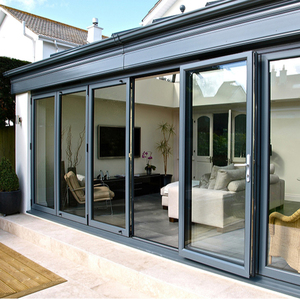
Custom Thermal Break Heavy Duty Aluminum Sliding Door Windproof Tempered Double Glazed Glass Sliding Doors For Houses
Send an Inquiry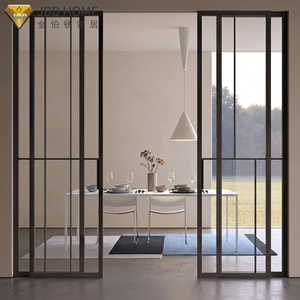
NFRC Certified Hurricane Impact Heavy Duty Aluminum Sliding Glass Door Double Tempered Glass for Houses Sliding Glass Doors
Send an Inquiry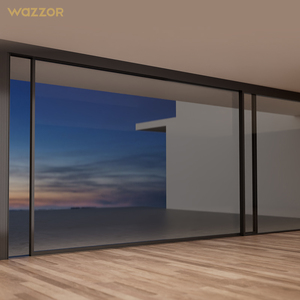
Wazzor Hurricane Rated in Stock Double Tempered Glass Sliding Doors System Exterior Interior Balcony Patio Glass Aluminum Door
Send an Inquiry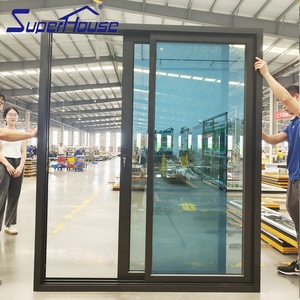
NOA Florida Standard High Impact 80PSF Hurricane Proof Sliding Door Aluminium Patio Door With Tinted Glass For Villa
Send an Inquiry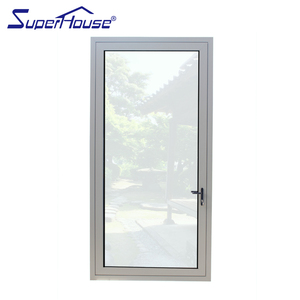
Superhouse Simple Design For Bathroom Kitchen Tempered Glass Patio Casement Swing Door White Aluminium Hinged Door
Send an Inquiry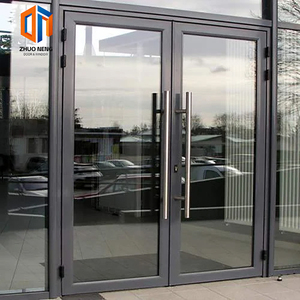
Modern Customized Casement Door Aluminum Alloy Interior With Soundproof Double Glass Front Entry Hinged Hinged Doors
Send an Inquiry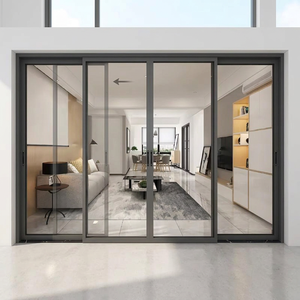
High Quality Powder Coated Double Glazed Large View Patio House Residential Exterior Aluminum Sliding Door
Send an Inquiry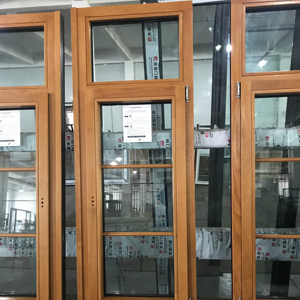
High Quality Energy Saving Swing Casement windows Aluminum-wood Window Composite windows
Send an InquiryNavigating the Global Architectural Fenestration Market: Sourcing High-Performance Aluminium Sliding Doors & Windows
The global architectural fenestration sector is undergoing a profound paradigm shift. Driven by stringent municipal energy codes, escalating severe weather events, and an architectural preference for expansive, uninterrupted glass facades, the demand for high-spec aluminium sliding door and window systems has reached an all-time peak. Sourcing from tier-one manufacturing hubs—specifically Foshan, Guangdong Province, China—has become the premier strategic route for commercial developers, general contractors, and fenestration importers across North America, Australia, Europe, and the Middle East.
However, evaluating foreign manufacturers requires looking far beyond surface-level aesthetic appeal. Enterprise procurement teams must conduct rigorous technical audits evaluating extrusion metallurgy, thermal break polymer physics, hardware cycle resilience, and compliance with structural standards such as NFRC (National Fenestration Rating Council), Florida NOA (Notice of Acceptance), AS2047 (Australian Standard for Windows and External Glazed Doors), and European CE marks.
1. Thermal Break Technology & Energy Efficiency
Standard aluminium is an inherently conductive material. To suppress heat transfer, leading manufacturers integrate a structural polyamide thermal break (typically PA66-GF25, reinforced with 25% glass fiber). This non-conductive barrier splits the interior and exterior aluminium profiles, drastically lowering overall system U-values.
When paired with double or triple insulated glass units incorporating Low-E coatings and warm-edge spacers, overall system U-factors can drop below 1.4 W/m²K (0.25 BTU/h·ft²·°F), satisfying Passive House and ENERGY STAR® strict requirements.
2. Severe Weather & Hurricane Impact Engineering
Coastal regions subjected to cyclonic wind loads demand specialized structural engineering. Florida NOA 80PSF high-impact hurricane sliding doors utilize heavy-wall extrusions (profile thickness exceeding 2.0mm to 3.0mm), laminated impact glass (PVB or SGP interlayers), and stainless steel reinforced interlocks.
These systems undergo rigorous missile impact testing and cyclic wind pressure differential tests to ensure envelope integrity during Category 5 hurricane conditions without frame deformation or water infiltration.
Comparative Matrix: Aluminium Door & Window Systems
Review the baseline technical thresholds established by elite Foshan fenestration manufacturers for global export projects:
| System Classification | Structural Profile Alloy | U-Value (Thermal Transmittance) | Acoustic Rating (STC / OITC) | Wind Load Resistance | Optimal Application |
|---|---|---|---|---|---|
| Thermal Break Heavy Sliding Door | 6063-T6 Architectural Alloy | 1.4 – 1.8 W/m²K | 38 – 44 dB | up to 80 PSF (3800 Pa) | Luxury Coastal Villas, High-Rise Balconies |
| Slim-Frame Minimalist Sliding System | 6063-T5 High Precision Profile | 1.6 – 2.0 W/m²K | 35 – 40 dB | up to 55 PSF (2600 Pa) | Modern Residential, Panoramic Patios |
| Impact Casement & Swing Door | 6063-T6 Heavy Density Profile | 1.2 – 1.6 W/m²K | 40 – 46 dB | up to 90 PSF (4300 Pa) | Commercial Entrances, Severe Climate Zones |
| Aluminium-Wood Composite Window | Engineered Alloy + Solid Timber | 1.0 – 1.4 W/m²K | 42 – 48 dB | up to 60 PSF (2800 Pa) | Premium Heritage & Passive Villa Projects |
Global Procurement Trends: What Buyers Need to Plan For (2025–2030)
As construction tech evolves, international developers and procurement officers must adjust their supply chain specifications to match emerging market vectors:
A. Ultra-Slim Sightlines & Motorized Automation
Architectural aesthetics continue to favor invisible framing. Interlock widths on sliding doors have contracted from traditional 80mm profiles down to ultra-slim 16mm–25mm profiles without sacrificing structural rigidity. Furthermore, integration with smart home ecosystems—incorporating concealed heavy-duty motorized drives, sensor-driven obstacle detection, and automatic locking mechanisms—is shifting from a luxury niche to a standard requirement in high-end developments.
B. Low-Carbon Aluminum & EPD Compliance
ESG (Environmental, Social, and Governance) compliance is now mandatory for major institutional projects. Export manufacturers are rapidly adopting low-carbon primary aluminum smelted using hydroelectric power, alongside recycled aluminum billest. Environmental Product Declarations (EPDs) detailing embodied carbon metrics are becoming essential documentation for passing customs green tariffs and earning LEED/BREEAM green building certifications.
Frequently Asked Questions for Commercial Buyers & Importers
What specific certifications should I verify when importing aluminium sliding doors from China?
How do Foshan manufacturers handle custom architectural drawings and engineering calculations?
What surface treatment options offer maximum resistance against coastal saltwater corrosion?
What are the export packaging standards to prevent glass breakage and frame damage during sea transit?
What lead times should be factored into large-scale project procurement schedules?
Why BrioWindow Technology Co., Ltd. is Your Strategic Supply Partner
Headquartered in Nanhai District, Foshan City—China's global capital for aluminium manufacturing—BrioWindow Technology Co., Ltd. delivers factory-direct engineering excellence to international builders and distributors.
Foshan Manufacturing Powerhouse
Leveraging Foshan's mature industrial ecosystem, we utilize high-purity primary aluminium billets, precision CNC machining, and automated assembly lines to maintain strict dimensional tolerances across large-scale commercial orders.
60+ Export Markets
With over a decade of deep international trade experience, our product systems are engineered specifically to pass regional building audits in the United States, Canada, Australia, the UK, and Caribbean coastal regions.
30-Year Quality Assurance
We stand behind our craftsmanship with an industry-leading 30-year quality assurance program covering structural frame integrity, hardware functionality, and thermal seal durability, supported by dedicated technical help desks.
Complete Product Diversity
From heavy-duty sliding patio doors and folding bi-fold systems to central axis pivot entry doors, PVC profiles, wooden interior doors, and structural curtain walls—we provide unified single-source procurement.
Rigorous Quality Control
Every fenestration unit undergoes dynamic water tightness testing, structural air-leakage audits, and multi-point lock cycling before crating, ensuring plug-and-play installation for overseas contractors.
Dedicated Project Support
Our bilingual structural engineers work hand-in-hand with developers from initial architectural drafting through export logistics and post-installation technical guidance.
Ready to Elevate Your Architectural Project?
Connect with our senior engineering team to request factory-direct pricing, technical shop drawings, or physical sample kits for your upcoming commercial or luxury residential development.
Send an Inquiry