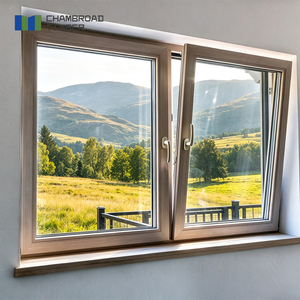
Export-Grade Product Matrix
Premier Aluminium Flush Windows & Architectural Systems
Engineered in Foshan, China for North American, Australian, and European building standards. Tested for extreme thermal efficiency, wind load, and structural integrity.
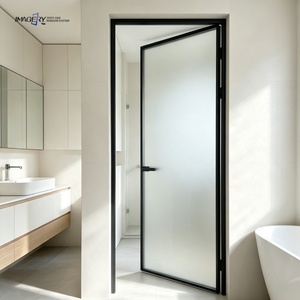
Extremely Narrow Frame Aluminum Alloy Casement Door
Inquire Now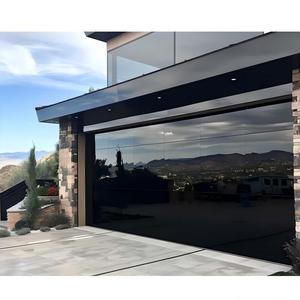
Frameless Tempered Glass Automatic Sectional Door
Inquire Now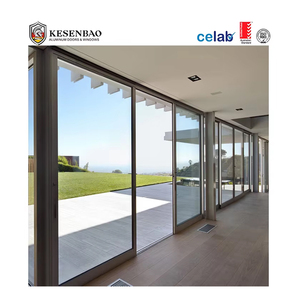
Australian Standard Exterior Double/Triple Glazed Sliding System
Inquire Now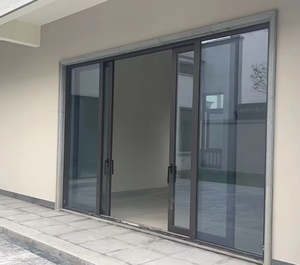
RG120 Heavy-Duty Modern Lift-Sliding System
Inquire Now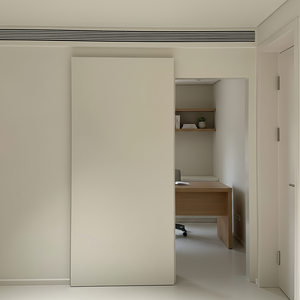
Wind-Resistant Modern Industrial Style Sliding Door
Inquire Now
Soundproof Vertical Swing Insulated Roof Skylight
Inquire Now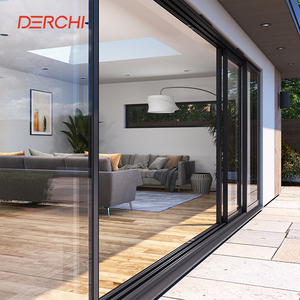
Luxury Slim-Frame Panoramic Villa Glass Sliding Door
Inquire Now10+
Years Export Experience
60+
Countries Delivered
30-Year
Quality Assurance
100%
Custom Drawing Compliance
Industry Technical Report
State of Architectural Fenestration: Sourcing High-Performance Aluminium Flush Windows
In contemporary architectural design, the window is no longer merely a light well or an opening for ventilation; it is an engineered thermal barrier, a key component of structural facade load management, and an aesthetic bridge between interior space and external landscape. Among modern fenestration configurations, Aluminium Flush Windows have surfaced as the preferred system for premium residential villas, multi-family high-rises, and modern commercial developments.
Characterized by sashes that sit entirely co-planar with the outer frame profile, flush aluminium windows eliminate visual clutter, provide flat exterior surfaces, and deliver superior aerodynamic resistance against extreme weather events. As global building standards push toward Net-Zero Energy (NZE) targets and stringent acoustic performance mandates, procurement directors and project developers must evaluate suppliers not only on surface finish or price-per-square-meter, but on engineering precision, extrusion alloy composition, thermal break technology, and full supply chain transparency.
1. The Anatomy of Engineering Precision in Flush Aluminium Windows
Standard overlap casements often fail to deliver the seamless elevation required by contemporary minimalism. True aluminium flush casement windows utilize recessed hinge mechanisms and co-planar frame-to-sash geometry, requiring extrusion tolerances accurate to within micro-millimeters.
Extrusion Metallurgy & Alloy Selection
High-tier flush windows utilize primary 6063-T6 architectural grade aluminum extrusions. T6 heat treatment yields exceptional tensile strength (≥ 205 MPa) and yield strength (≥ 170 MPa), ensuring zero structural deformation even when carrying triple-glazed insulated units exceeding 80 kg per sash.
Thermal Barrier Technology (Polyamide PA66GF25)
To break the high thermal conductivity of aluminum (200 W/m·K), premium flush windows incorporate multi-cavity Polyamide 66 reinforced with 25% glass fiber (PA66GF25). This lowers frame U-values (Uf) down to 1.2 W/m²K, mitigating thermal bridging in cold climates and reducing HVAC energy demand.
Multi-Gasket EPDM Weather Sealing
Air permeability and water tightness rely on continuous, vulcanized EPDM (Ethylene Propylene Diene Monomer) gasket systems. Tri-sealed perimeter barriers prevent pressure differentials from forcing moisture past the flush sash interface, securing Class 4 air tightness (EN 12207) and E1050 water tightness (EN 12208).
2. Technical Comparison: Flush Systems vs. Standard Fenestration Profiles
To aid structural engineers and procurement leaders in making informed specification decisions, the data matrix below compares key performance parameters of Flush Aluminium Windows against legacy system profiles:
| Performance Metric | Aluminium Flush Windows | Standard Overlap Windows | Traditional Timber Windows | Standard uPVC Windows |
|---|---|---|---|---|
| Frame U-Value (Uf) | 1.0 - 1.4 W/m²K (Thermal Break) | 1.8 - 2.5 W/m²K | 1.3 - 1.7 W/m²K | 1.2 - 1.6 W/m²K |
| Acoustic Rating (STC) | 42 - 48 dB (Triple Glazed) | 32 - 38 dB | 34 - 40 dB | 30 - 36 dB |
| Sightline Profile Width | Ultra-Slim (38mm - 55mm) | Bulky (75mm - 110mm) | Medium (80mm - 120mm) | Wide (85mm - 125mm) |
| Wind Load Resistance | Up to Class C5 (≥ 3000 Pa) | Class C3 (2000 Pa) | Class C2 (1500 Pa) | Class C3 (2000 Pa) |
| Structural Service Life | 50+ Years (Corrosion Proof) | 30+ Years | 15-20 Years (Requires Maint.) | 20-25 Years (UV Yellowing) |
| Maintenance Cycle | Zero (Periodic Cleaning) | Low | High (Repainting/Sealing) | Low |
3. Future Procurement & Global Architectural Trends (2026-2035)
Commercial buyers and real estate developers must align their supply chains with upcoming regulatory and design shifts. Sourcing window systems today requires forecasting trends that will dictate property valuations over the next three decades:
A. Micro-Slim Sightlines and Structural Glass Integration
Architectural demand is moving aggressively toward invisible frame boundaries. Future-proof aluminium flush windows integrate structural glazing tapes (VHB) and bonded sashes where glass acts as a structural stiffening element. This permits ultra-narrow sightlines under 40mm without compromising deflection resistance during high-velocity wind events.
B. Aerogel and Vacuum-Insulated Glass (VIG) Adoptions
While double and triple insulated glass units (IGUs) filled with Argon gas remain the market standard, high-end developments are moving toward Vacuum Insulated Glass (VIG). Paired with aerogel-filled polyamide thermal break cavities in aluminium flush frames, whole-window U-values (Uw) reach down to an extraordinary 0.6 W/m²K—matching solid insulated brick wall performance.
C. Circular Economy & Low-Carbon Recycled Aluminum
European Union Green Deal guidelines and LEED v4.1 certification prioritize materials with low embodied carbon. B2B exporters in Foshan are adopting post-consumer recycled aluminum alloys (hydro-powered smelting), reducing embodied carbon emissions from 18 kg CO2/kg Al down to under 4.0 kg CO2/kg Al.
D. Smart Motorized Fenestration & Building Management System (BMS) Integration
Modern commercial flush skylights, pivot doors, and high-level vent windows are increasingly outfitted with concealed 24V DC chain actuators. Connected via KNX, BACnet, or smart home protocols, flush windows automatically respond to indoor air quality sensors, rainfall detectors, and automated thermal purging schedules.
Enterprise Reliability
Why BrioWindow Technology Co., Ltd. is Your Trusted Export Partner
Headquartered in Foshan, China—the world's capital of aluminium profile manufacturing—we combine precision engineering with international export standards.
10+ Years Export Experience to 60+ Nations
Our core export markets include the United States, Canada, Australia, and the UK. We understand regional building codes, import customs compliance, and specific wind/water pressure test methodologies (ASTM, AS2047, CE).
BIM/CAD Architectural Customization
Our in-house engineering team reviews architectural elevation schedules and CAD/BIM drawings, providing structural shop drawings, wind load calculations, and thermal simulations before cutting a single profile.
30-Year Warranty & Comprehensive QA
Every fenestration unit undergoes strict factory inspection for dimensional tolerance, corner joint strength, hardware operation, and surface finish uniformity. We back our products with a 30-year after-sales quality assurance commitment.
Reinforced Seaworthy Packaging
Export orders are individually wrapped with protective film, encased in impact-absorbing foam corner blocks, and loaded into fully enclosed fumigated wooden crates or steel A-frames to guarantee damage-free ocean transport.
B2B Procurement FAQ
Frequently Asked Questions by Overseas Buyers & Contractors
Essential answers regarding custom manufacturing, international certifications, minimum orders, and freight logistics.
What product ranges does BrioWindow manufacture and export?
We specialize in engineering-grade aluminium alloy flush casement windows, ultra-slim sliding doors, bi-fold doors, central axis pivot doors, automatic garage doors, smart motorized roof skylights, curtain wall systems, as well as uPVC and fire-rated wooden door systems.
How do your aluminium flush windows perform against extreme weather and wind load?
Our flush window systems feature multi-cavity 6063-T6 aluminum profiles, PA66GF25 thermal breaks, and continuous triple EPDM sealing gaskets. Tested according to ASTM and European standards, they achieve high wind resistance ratings up to Class C5 (≥ 3000 Pa) and water tightness ratings up to 1050 Pa, making them suitable for coastal cyclone regions and high-rise applications.
Can you manufacture windows to custom opening sizes and architectural drawings?
Yes, 100% of our production is customized. Our engineering team reviews your architectural opening schedules, structural drawings, or elevation specs, recommending optimal frame profiles, glass configurations (Low-E, double/triple insulated, laminated acoustic glass), finishes (PVDF, Anodized, Powder Coating), and hardware systems (Siegenia, Hoppe, or custom OEM).
What international testing certifications do your window systems carry?
Our factory products comply with major global testing benchmarks including North American CSA / AAMA standards, Australian AS2047 / AS1288 standards, and European CE standards. Quality reports and certificate copies are provided to qualified buyers for tender submissions and local building authority code approval.
What details are needed to request a formal quotation for an export project?
To provide an accurate technical quotation, please supply: (1) Project location and building type; (2) Window/door schedule or CAD drawings; (3) Preferred opening system (flush casement, sliding, bi-fold); (4) Glass spec requirements (e.g., 6mm+12Ar+6mm Low-E); (5) Surface color finish preference; and (6) Target delivery destination port.
What is your typical production lead time and warranty coverage?
Standard custom order production takes between 25 to 35 business days following final CAD shop drawing approval. All structural aluminium profiles are backed by our 30-year warranty, while hardware components carry up to a 10-year factory warranty.
Ready to Engineer Your Project's Fenestration Strategy?
Consult directly with our Foshan engineering team for custom drawings, structural wind load analysis, and factory-direct B2B wholesale pricing.
Inquire Now