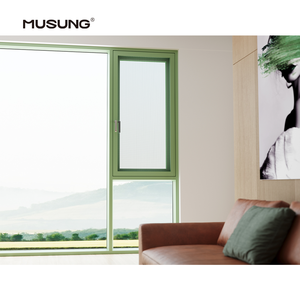
Ultra Narrow Glass Windows Double Glazed Slimline Casement
Engineered with a minimalist 18mm visible frame width, structural thermal break alloys, and dual multi-point locking systems for maximum acoustic barrier.
Explore our flagship structural thin-frame window and door profiles engineered for high-end residential architectural projects and modern commercial facades.
Engineered with a minimalist 18mm visible frame width, structural thermal break alloys, and dual multi-point locking systems for maximum acoustic barrier.
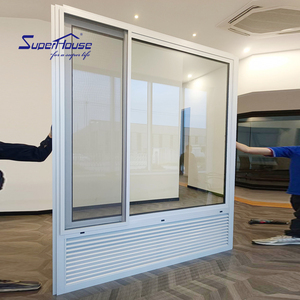
Features motorizable enclosed Venetian blinds within insulated glass units, providing total privacy and moisture protection for luxury bathrooms and wet rooms.
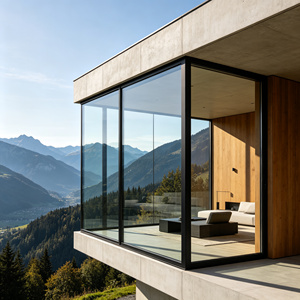
Delivers exceptionally low thermal transmittance (U-value ≤ 0.8 W/m²K) tailored for European energy-efficient architectural standards and extreme acoustic insulation.
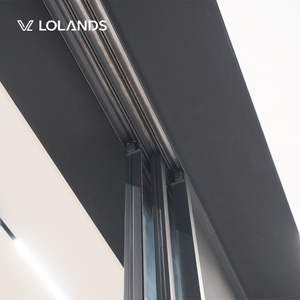
Equipped with ultra-smooth stainless steel roller tracks and anti-lift engineering, perfect for large courtyard transitions and panoramic residential balconies.
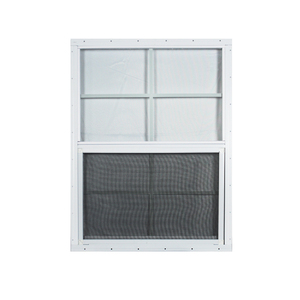
Combines classic vertical opening operation with contemporary narrow aluminium sightlines, ideal for urban residential revamps requiring space optimization.
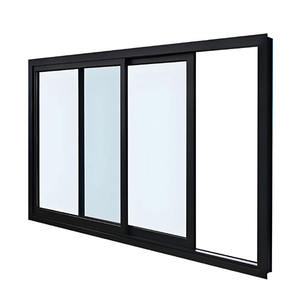
Structural heavy-duty narrow sightline sliders capable of handling sash weights up to 400kg with effortless finger-touch sliding force.
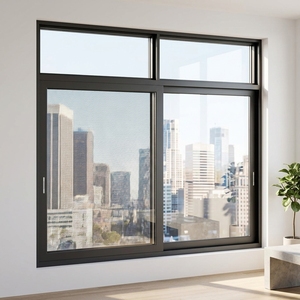
Available in over 20 customized AkzoNobel powder coating finishes, providing high wind load resistance and UV-resistant architectural durability.
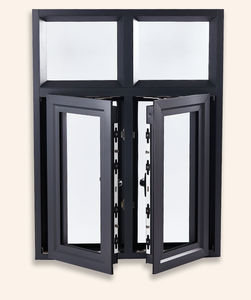
Features high-density EPDM triple-sealing gaskets, integrated high-transparency insect screens, and hurricane-rated structural reinforcement.
Headquartered in Foshan, China's premiere industrial hub for structural aluminium extrusions and architectural glazing technology, BrioWindow Technology Co., Ltd. stands as an authoritative pioneer in high-performance narrow-frame fenestration systems. For over a decade, our engineering plant has bridge the gap between minimalist European architectural aesthetics and the stringent physical performance requirements demanded by international building codes, including North American NFRC/AAMA benchmarks and Australian AS2047 standard protocols.
Manufacturing ultra-narrow slimline windows requires significantly higher metallurgical precision and structural engineering compared to traditional thick-frame systems. When frame sightlines are reduced down to 16mm–25mm, the structural load of heavy double- and triple-glazed insulated glass units (IGUs) shifts almost entirely onto the structural strength of the extruded alloy profiles and high-shear thermal barrier strips. BrioWindow utilizes exclusively primary-grade 6063-T5 / 6063-T6 architectural aluminium extrusions reinforced with imported PA66GF25 (25% fiberglass reinforced polyamide) thermal breaks. This guarantees that our slim profiles withstand extreme positive and negative wind pressures exceeding 5000 Pa without experiencing permanent structural deformation.
| Performance Metric | BrioWindow Technical Specification | Testing Standard / Compliance Benchmark |
|---|---|---|
| Alloy Grade & Temper | Primary 6063-T5 / T6 High-Precision Architectural Extrusion | GB/T 5237 / ASTM B221 |
| Thermal Transmittance (U-Factor) | Uw = 0.8 W/m²K to 1.4 W/m²K (Project Configuration Dependent) | EN ISO 10077-2 / NFRC 100-2010 |
| Acoustic Insulation Rating | Sound Attenuation up to Rw = 45 dB (with Acoustic PVB/SGP Glass) | EN ISO 140-3 / ASTM E90 |
| Wind Pressure Resistance | Class P3 / Serviceability Limit State ≥ 5000 Pa | AS 2047 / ASTM E330 |
| Water Penetration Resistance | Static Water Pressure ≥ 700 Pa (Sub-floor concealed drainage) | EN 12208 / ASTM E331 |
| Surface Finish Coating | Qualicoat Class 2 Powder Coating / Fluorocarbon PVDF (AkzoNobel) | AAMA 2604 / AAMA 2605 |
Our fully integrated manufacturing ecosystem incorporates precision 5-axis CNC machining centers, automated corner-crimping machinery with multi-point polyurethane structural adhesive injection, and an in-house quality assurance laboratory. Every unit shipped to North America, Europe, Australia, and over 60 global destinations undergoes rigorous dimensional tolerance validation, vacuum leak testing on insulated glazing, and cycle-durability testing on hardware mechanisms to support our comprehensive 30-Year Quality Guarantee.
Key market evolution vectors shaping B2B window purchasing, architectural specifications, and building energy regulations worldwide.
Global procurement is shifting rapidly toward zero-threshold designs. Future architectural specifications demand sub-frame systems completely embedded into wall structures and floor finishes, leaving only glass visible with flush water-drainage channels.
Tier-1 commercial developers are evaluating environmental product declarations (EPDs). Sourcing slimline profiles made with hydro-powered, low-carbon primary aluminium extrusions reduces embodied carbon metrics required for LEED and BREEAM certifications.
Slimline sliding and casement systems are no longer purely manual. High-end procurement contracts now mandate hidden electric actuators integrated with Building Management Systems (BMS), smart home automation, and sensor-driven weather responsive closing.
The core challenge in ultra-slim window engineering lies in balancing thermal dynamics, inertia moments ($I_x$ and $I_y$), and deflection ratios. Historically, minimal frame windows suffered from frame flexing under thermal expansion or high wind loads. However, recent breakthroughs in structural composite materials and bonding techniques have reshaped the fenestration landscape.
Modern slimline windows utilize structural silicone bonding where the glass unit is directly glued to the internal aluminium sash perimeter. The insulated glass unit (IGU) becomes an active structural element, transferring wind pressure across the entire glass surface and allowing profile sightlines to be minimized down to less than 20mm.
To meet zero-energy building (ZEB) standards without adding heavy triple-pane weight, manufacturers are adopting Vacuum Insulated Glass (VIG). With a 0.1mm micro-vacuum cavity, VIG achieves U-values under 0.6 W/m²K at a fraction of the thickness and weight of standard triple glazing, enabling sleeker sash hardware.
Advancements in profile extrusion include multi-cavity PA66GF25 thermal breaks filled with expanded Polyethylene (PE) or Aerogel insulation foam. This multi-layered barrier eliminates convective air movement inside the aluminium profiles, dramatically improving internal frame temperatures and condensation resistance.
Everything trade buyers, architects, and real estate developers need to know about sourcing custom aluminium slimline windows from China.
