High-Performance Aluminium Door & Window Systems
Factory-direct fenestration systems manufactured in Foshan, China. Precision-engineered for compliance with North American NFRC/AAMA, Australian AS2047, and European CE benchmarks.
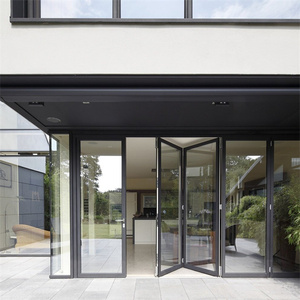
TOMA-as2047 Aluminium Door Fold Glass Door Bifold Sliding Door Darkly Glass Thermal Break
Contact Us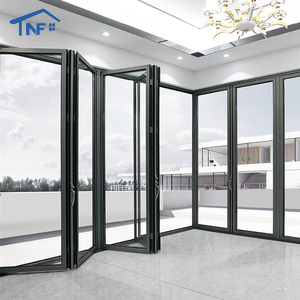
US NFRC Certification Customized Factory Aluminum Balcony Exterior Folding Tempered Glass Doors
Contact Us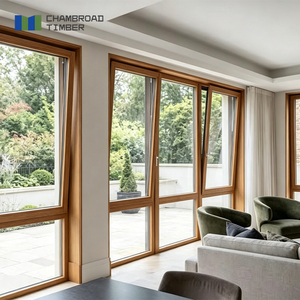
CHAMBROAD Aluminum Clad Wood Windows Awning Opening Triple Glazed Insulated Glass Weatherproof Large View for Apartment
Contact Us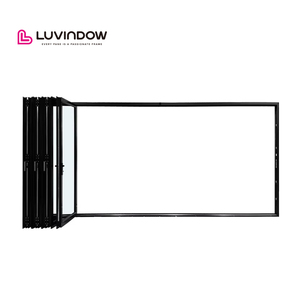
Impact Resistant Low Maintenance Modern Style Thermal Break Aluminum Glass Accordion Folding Doors for Outdoor Entry
Contact Us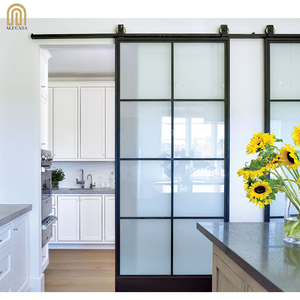
Alucasa American Iron Kitchen Door Design Interior Black Aluminium Steel Frame Track Glass Sliding Bathroom French Barn Door
Contact Us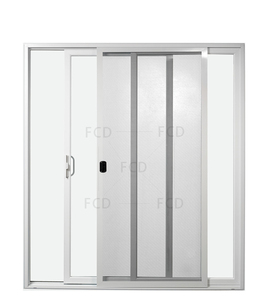
Customizable Commercial Sliding Glass Doors Aluminum Mosquito Net Pane Grill Sliding Door Heavy Duty Sliding Doors
Contact Us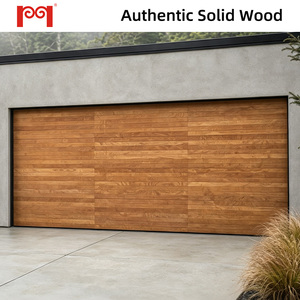
Architectural Grade Real Wood-Clad Insulated Aluminum Panel Stable Structure Smooth Operation Noise Reduction Garage Doors
Contact Us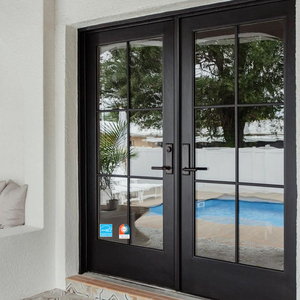
AMJ NFRC Excellent Quality Interior Door Tempered Glass USA Swing French Door Aluminum French Casement Door
Contact UsNavigating China’s Architectural Fenestration Landscape: Foshan Sourcing Dynamics
The global commercial and high-end residential architectural sectors are undergoing a paradigm shift driven by stringent energy efficiency codes (such as ASHRAE 90.1, Australia’s NCC/BASIX, and Europe’s EPBD directive) and an increased demand for expansive clear-span glass viewports. At the center of this technological revolution is China's aluminium doors and windows manufacturing ecosystem, concentrated heavily within the Nanhai District of Foshan City, Guangdong Province.
As international developers, facade contractors, and purchasing conglomerates search for reliable manufacturing partners, distinguishing between commercial assembly facilities and advanced OEM/ODM structural engineering manufacturers like BrioWindow Technology Co., Ltd. is paramount. True structural performance requires mastery over extrusion metallurgy, precision thermal break integration, multi-point lock hardware mechanics, and insulated glass unit (IGU) seal longevity.
“Information Gain Insight: Securing supply chain resilience for overseas architectural projects requires evaluating manufacturers beyond profile thickness alone. Verification of alloy temper (6063-T5 vs. T6), polyamide strip formulation (PA66-GF25), and dual-corner crimping technology directly dictates air permeability, water tightness, and structural wind resistance under severe weather conditions.”
1. Metallurgy & Extrusion Standards: The Foundation of Structural Integrity
Leading Chinese exporters utilize high-grade 6063-T5 or 6063-T6 primary aluminium billets. Secondary or scrap-remelted aluminium profiles exhibit micro-impurities that compromise structural yield strength and accelerate intergranular corrosion when installed in humid or coastal salt-spray environments.
Primary Billet Purity
Minimum 99.7% pure primary aluminium ingot usage guarantees tensile strength exceeding 185 MPa and yield strength over 145 MPa, preventing deflection under heavy wind load pressures.
PA66-GF25 Thermal Break
Non-conductive Polyamide strips reinforced with 25% glass fiber match the thermal expansion coefficient of aluminium alloys, ensuring structural integrity across extreme -30°C to +80°C temperature shifts.
AAMA 2605 Surface Coating
Fluorocarbon PVDF spray coatings or Qualicoat Class 2 architectural powder coatings resist chalking, blistering, and UV fading for over 25+ years in harsh marine conditions.
2. Thermal Break Engineering vs. Non-Thermal Break Systems
When procuring for climates with high heating or cooling degree days (HDD/CDD), thermal break design is mandatory. Thermal break technology isolates the interior and exterior aluminium profile profiles using a low-conductivity polymer barrier. This prevents thermal bridging, eliminates interior condensation during winter, and drastically lowers building HVAC operating costs.
| Performance Metrics | Standard Non-Thermal Break | Standard Thermal Break (20mm PA66) | Ultra Thermal Break (34mm+ Iso-Strut) |
|---|---|---|---|
| U-Factor (W/m²·K) | 5.0 – 6.2 (High heat transfer) | 2.2 – 2.8 (Energy Code Compliant) | 1.0 – 1.6 (Passive House Ready) |
| Sound Transmission Class (STC) | 25 – 28 dB | 35 – 40 dB (With Double IGU) | 42 – 48+ dB (Laminated Triple Glazed) |
| Condensation Resistance Factor (CRF) | Low (< 35) | Medium to High (55 – 65) | Ultra High (75+) |
| Target Project Typology | Interior partitions, mild climate storeys | Standard urban residential & villas | Luxury high-rise, extreme climate zones |
3. Advanced Glazing Configurations & Optical Science
The glass assembly accounts for up to 85% of an opening's surface area. Leading Foshan manufacturers collaborate with tier-1 float glass producers (such as Xinyi Glass, CSG Holding, and Fuyao) to provide engineered Insulated Glass Units (IGUs). Advanced configurations include:
- Double Glazed Low-E Units: 6mm Tempered Low-E + 12Ar (90% Argon Gas filled) + 6mm Clear Tempered. Low-E coatings selectively reflect far-infrared energy (heat) while permitting visible light transmission (VLT).
- Triple Glazed Acoustic Units: Engineered with varied glass pane thicknesses (e.g., 6mm + 12A + 4mm + 12A + 6mm) to disrupt soundwave resonance frequencies for city center developments.
- Hurricane-Impact Laminated Units: SentryGlas® (SGP) or PVB interlayers bonded between tempered glass panels. Engineered to withstand high-velocity wind-borne debris in coastal regions prone to typhoons and hurricanes.
Enterprise Strategic Profile: BrioWindow Technology Co., Ltd.
Headquartered at 32, 52 Lisui Avenue Middle, Denggang Community, Lishui Town, Nanhai District, Foshan City, Guangdong, BrioWindow Technology Co., Ltd. stands as a premier manufacturer and international exporter of architectural fenestration systems. With over 10 years of direct export experience supplying project contracts across the USA, Canada, Australia, and over 60 countries globally, BrioWindow integrates design, extrusion processing, testing, and custom export packaging under a single accountable quality control framework.
Backed by a 30-Year After-Sales Quality Assurance policy, BrioWindow provides full CAD/BIM shop drawing review, structural wind load analysis, and custom surface finishing matching international tender specifications.
Request Factory Audit & Tender QuoteFuture Procurement Trends in Architectural Fenestration
Purchasing officers, architects, and international importers must align their procurement roadmaps with upcoming industry movements. Analysis of global construction tenders reveals four major structural shifts:
Ultra-Narrow Sightline Interlocks
Minimalist architectural trends demand vertical interlock widths under 20mm for continuous floor-to-ceiling panoramic views, requiring high-moment-of-inertia structural steel reinforcements concealed within the aluminium profile.
Motorized & IoT Smart Integration
Automated window actuators integrated with home automation protocols (KNX, Zigbee, RS485). Smart windows automatically close upon detection of rain, wind, or excessive CO2 levels.
Decarbonized Sourcing & EPDs
Environmental Product Declarations (EPDs) certified by UL or Intertek are becoming mandatory. B2B buyers favor suppliers utilizing hydro-powered recycled aluminium billets to reduce embodied carbon.
Strict Compliance: Meeting NFRC, AS2047 & CE Standards
Exporting window and door systems internationally requires absolute compliance with local building codes. BrioWindow’s export lines are engineered and pre-tested to meet specific regional requirements:
- North America (USA & Canada): Tested under NFRC guidelines for Thermal Transmittance (U-Factor), Solar Heat Gain Coefficient (SHGC), and Air Leakage. AAMA 101/I.S.2/A440 compliance for structural wind load.
- Australia & New Zealand: Mandatory AS2047 (Windows and External Glazed Doors in Buildings) and AS1288 (Glass in Buildings) certifications. Verified performance under air infiltration (AS4420.2), water penetration resistance (AS4420.5), and ultimate strength (AS4420.6).
- European Union: CE Marking compliance governed by EN 14351-1, verifying resistance to wind load (EN 12210), watertightness (EN 12208), and air permeability (EN 12207).
Frequently Asked Questions for B2B Procurement
Technical answers for importers, general contractors, developers, and architects evaluating door and window manufacturers in China.
What door and window product categories does BrioWindow manufacture in Foshan?
BrioWindow manufactures a comprehensive line of fenestration solutions including aluminium alloy thermal break sliding doors, bifold accordion folding doors, casement/swing windows and doors, central axis heavy-duty pivot entrance doors, smart motorized windows, PVC/vinyl windows and doors, architectural solid wood-clad doors, fire-rated glass doors, customized glass sunrooms, and unitized architectural curtain wall systems.
How do you ensure custom sizing and structural accuracy for overseas project drawings?
Our in-house engineering team conducts a thorough technical review of architectural drawings and structural opening schedules. Before manufacturing begins, we produce detailed CAD shop drawings detailing profile cross-sections, hardware points, glass structural calculations, and installation flashing details for client approval. BIM (Revit) models are also supplied upon request.
What is the typical production lead time and export packaging standard for sea transport?
Standard fabrication lead time is 25 to 35 business days following final shop drawing sign-off and deposit receipt. For international export, all window and door units are individual film-wrapped, protected with high-density EPE foam corner guards, and fully encased in heat-treated fumigated plywood crates (IPPC ISPM 15 compliant) to guarantee zero damage during ocean transit.
What specific hardware brands and multi-point lock systems are integrated?
We supply top-tier international and domestic hardware systems based on project budget and specification. Preferred options include German Siegenia, Hoppe, GU, and Giesse hardware for heavy-duty casement and bifold doors, alongside premium Kin Long and CMECH systems engineered for smooth cycle durability exceeding 100,000 opening/closing operations.
How does BrioWindow handle warranty claims and spare parts support globally?
BrioWindow provides an industry-leading 30-year quality assurance warranty covering profile structural integrity and surface coatings. Glass IGUs carry a 10-year seal failure warranty. In the rare event of a field issue, replacement hardware, gasket seals, or glass panels are dispatched via priority air freight accompanied by remote video technical guidance from our engineers.
What information should buyers provide to receive an accurate factory quotation?
To receive an itemized quotation, please provide your project location (for wind load calculation), architectural window/door schedule or CAD drawings, preferred frame finish/color (e.g., RAL powder coat or anodized), glass specs (double/triple, Low-E, tinted, acoustic laminate), and targeted destination port for shipping estimation.
Partner with China's Premier Fenestration Manufacturer
Connect with BrioWindow’s technical export team today to evaluate project specifications, request product sample kits, or receive factory-direct engineering quotes.
Contact Us