Engineered Architectural Fenestration Systems
Explore our factory-direct export catalogue of heavy-duty aluminum folding, sliding, casement, and structural glass solutions engineered for luxury residential and commercial developments globally.
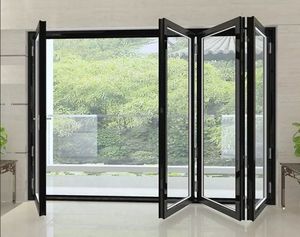
Aluminium Doors and Windows Luxury Insulated Tempered Glass Aluminum Profile Patio Sliding Folding Door
Get a Quote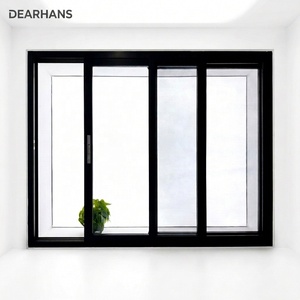
Double Glazed 100 Series Glass Thermal Break Aluminium 3 Tracks Sliding Window Aluminum windows Doors
Get a Quote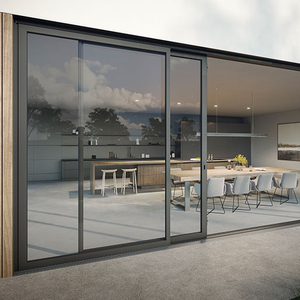
YY Facades As2047 Australian Windows and Doors Stacker Doors Australian Standard 3 Panel Glass Aluminum Sliding Doors
Get a Quote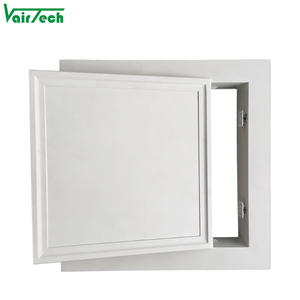
Hvac Removable Ceiling Access Manhole Hatch Hatch Trap Door Aluminum Ceiling Access Panel
Get a Quote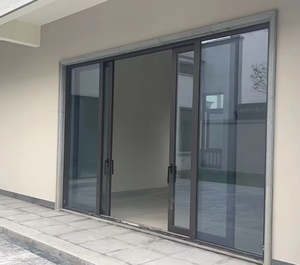
RG120 Modern Lift-Sliding System Premium Aluminum Glass for Homes Offices Wine Cellars Supermarkets Hospitals
Get a Quote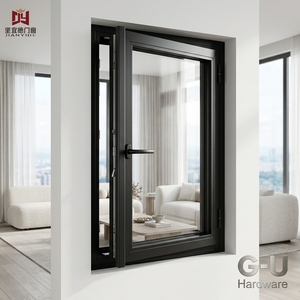
High Performance Casement Window Multi-Purpose Aluminum Casement Window-hardware G-U/ European Style
Get a Quote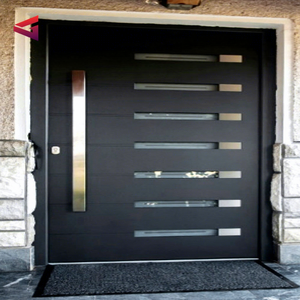
Latest Villa Security Steel Large Pivot Main Door Grill Design Aluminium Front Door With Sidelights
Get a Quote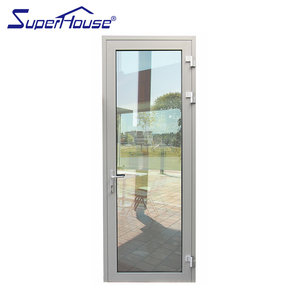
Modern Aluminum Alloy Swing Door Soundproof Waterproof Hinged Door for Bathroom Bedroom Balcony
Get a QuoteWhy BrioWindow is China’s Premier Bi-Fold Door Manufacturer
Operating from Nanhai District, Foshan—the world capital of architectural aluminum extrusion—BrioWindow Technology combines metallurgical precision with certified fenestration engineering.
Rigorous International Certification
Our architectural profile series and insulated glass units undergo physical laboratory validation following European (EN 12207 / EN 12208) and North American (NFRC / AAMA) test methods, guaranteed compliant with AS2047 for Oceania environments.
Comprehensive Product Portfolio
From ultra-slim folding door tracks and multi-track stacker sliding systems to motorized smart skylights and pivot grand entrances, we supply complete unified fenestration packages for complex architectural designs.
Engineering Shop Drawing Support
Our in-house technical team converts architectural elevation plans into precision CAD shop drawings, optimizing structural mullions, wind load deflections, thermal break barriers, and glass specifications before production.
Foshan Industrial Supply Chain
Located in Foshan, Guangdong, we utilize primary 6063-T5 aluminum billets, continuous vulcanized EPDM gaskets, and premium hardware (German G-U, SIEGENIA, and custom Brio rollers) to ensure decades of silent operation.
Export-Grade Protection & Logistics
Every sash and frame assembly undergoes automated powder coating inspection, followed by multi-layer protective film packaging, corner bumpers, and seaworthy fumigated wooden crates to guarantee zero transit damage.
Architectural Specification Whitepaper: China Aluminium Bi-Fold Doors
In contemporary architectural design, the boundary between interior living spaces and external environment continues to blur. Aluminium Bi-Fold Doors (bi-folding door systems) represent the pinnacle of flexible spatial transformation, enabling expansive clear openings that span up to 90% of the total rough opening width. As a leading manufacturer based in Foshan, China, BrioWindow Technology Co., Ltd. provides this technical whitepaper to guide global procurement managers, architects, structural engineers, and real estate developers through the engineering parameters, thermal efficiency requirements, and structural dynamics governing high-performance aluminum bi-fold fenestration.
1. Metallurgical & Structural Profile Engineering
The structural integrity of large-format folding door panels depends fundamentally on profile alloy composition and extrusion geometry. Standard commercial aluminum profiles often compromise on wall thickness, leading to panel sag, track binding, and air infiltration under wind load pressures.
At BrioWindow, our folding systems are extruded exclusively from primary grade 6063-T5 and 6063-T6 architectural aluminum alloy billets. Compared to recycled scrap aluminum, primary billets ensure uniform grain structure, tensile strength exceeding 160 MPa, and superior corrosion resistance. For multi-panel installations exceeding 3.0 meters in height, we integrate structural vertical mullion reinforcements and heavy-wall profile chambers (nominal wall thickness between 2.0mm and 3.0mm).
| Performance Vector | Standard Commercial Bi-Fold | BrioWindow Engineered System | Architectural Impact |
|---|---|---|---|
| Alloy Standard | Recycled 6063-T5 | Primary Billets 6063-T5 / T6 | Prevents structural sagging & panel warping |
| Nominal Profile Thickness | 1.2mm – 1.4mm | 2.0mm – 3.0mm Heavy Gauge | Supports panel heights up to 4000mm |
| Thermal Barrier Material | Standard PVC Strips | Polyamide PA66-GF25 (25% Glass Fiber) | Superior U-factor & low thermal conductivity |
| Weather Sealing Gaskets | Single Rubber / Foam | Continuous Vulcanized EPDM Triple-Seals | Class-leading air tightness & acoustic insulation |
| Track Load Capacity | 150 kg per sash | Up to 400 kg Heavy-Duty Carriage | Allows triple-glazed acoustic glass sashes |
2. Thermal Efficiency & Polyamide PA66-GF25 Barriers
Aluminum is naturally a conductive metal ($k \approx 200\text{ W/m}\cdot\text{K}$). To meet modern green building energy codes (such as US Energy Star, California Title 24, European EnEV, and Australian NCC requirements), non-thermal break profiles are no longer viable for exterior envelopes. BrioWindow incorporates multi-chambered Polyamide PA66-GF25 thermal breaks (reinforced with 25% structural glass fiber) that physically isolate the exterior aluminum extrusion from the interior frame.
Combined with warm-edge spacer bars, argon-filled double or triple-glazed Low-E tempered glass, our thermal break bi-fold door systems achieve overall thermal transmittance values (U-factors as low as 1.3 W/m²K / R-values above 4.3). This engineering drastically reduces solar heat gain in tropical climates while preventing interior surface condensation and heating losses in frigid northern regions.
3. Roller Mechanism & Kinetic Engineering
The operational lifespan of a folding door system is directly proportional to its bottom carriage roller bearings and top guide tracks. Traditional top-hung systems place tremendous tension on the header beam, requiring costly structural steel lintels. Conversely, poorly engineered bottom-rolling tracks accumulate debris, leading to rough operation and premature gear failure.
BrioWindow utilizes a dual-direction weight-balancing carriage assembly featuring stainless steel (SUS304/SUS316) precision needle bearings enclosed in self-lubricating polymer wheels. The load is distributed evenly across a stainless-steel bottom rail profile equipped with integrated drainage channels. The top roller guide functions as a stabilized anti-tilt mechanism, allowing effortless push-pull force under 15 Newtons even for 8-panel configurations spanning over 7 meters in width.
Future Procurement Trends in Aluminium Bi-Fold Doors (2025–2035)
As building energy regulations tighten and modern minimalism dominates architectural design, sourcing managers must align with next-generation manufacturing technology.
1. Ultra-Narrow Sightlines & Minimalist Frames
Commercial and residential buyers are shifting rapidly toward ultra-slim interlock profiles (under 30mm visible width). This design maximizes natural daylighting while maintaining structural deflection limits under severe storm wind pressure.
2. Zero-Threshold Flush Floor Transitions
Universal accessibility (ADA compliance) is driving demand for recessed bottom tracks with integrated continuous hidden drainage weep holes. These systems create a seamless floor plane connecting interior hardwood to outdoor composite decking.
3. Motorized Smart Sensor Integration
Automation is no longer restricted to sliding doors. Next-generation bi-fold systems integrate hidden linear actuators, allowing homeowners to operate multi-panel arrays via smartphone apps, wall switches, or automated weather sensors.
4. Embodied Carbon & Sustainable Sourcing
Overseas developers require Environmental Product Declarations (EPD). Chinese factories using hydro-powered aluminum billets and zero-VOC electrostatic powder coatings gain significant competitive edge in international green tenders.
5. Acoustic & Hurricane Performance Fusion
Modern fenestration must solve dual challenges: severe coastal weather resistance (high DP ratings) and extreme acoustic reduction (STC > 42 dB) for urban high-density residential towers near transport corridors.
Frequently Asked Questions for Global Buyers
Clear technical and commercial answers designed to streamline international sourcing, OEM production, and containerized logistics.
What doors and windows does BrioWindow manufacture? ▼
Which international markets and building codes does BrioWindow export to? ▼
Can BrioWindow manufacture customized sizes, profile colors, and opening configurations? ▼
What technical information should I provide to receive an accurate quote? ▼
How does BrioWindow ensure quality control and export packaging safety? ▼
What warranty and technical installation support do you provide after delivery? ▼
Ready to Partner with China’s Leading Bi-Fold Door Factory?
Send us your architectural drawings or project schedule today. Our engineering team will review your specifications and provide a competitive factory-direct quote within 24 hours.
Get a Quote