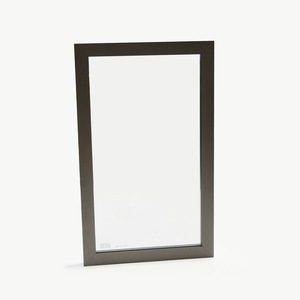
Engineered Bedroom Window & Door Systems
Explore precision-machined aluminium fenestration systems manufactured in Foshan, China—crafted to international thermal, acoustic, and security standards.
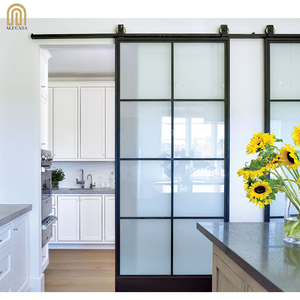
Alucasa American Iron Kitchen Door Design Interior Black Aluminium Steel Frame Track Glass Sliding Bathroom French Barn Door
Get Catalog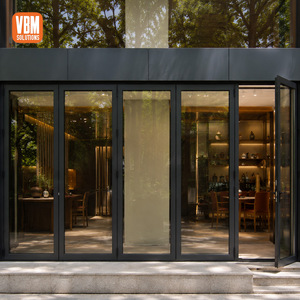
Commercial Aluminum Glass Folding Door For Restaurant Cafe Shopfront Storefront Outdoor Entrance
Get Catalog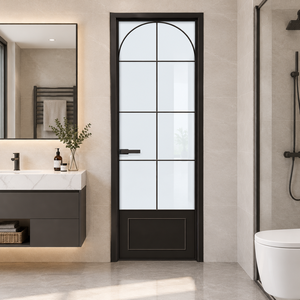
Hihaus Aluminum Casement Door Interior Bathroom Waterproof and Moisture-proof Glass Door
Get Catalog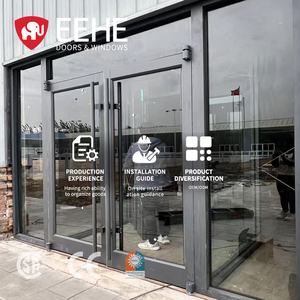
EEHE Storefront Door Modern Heavy Duty Aluminum Energy Efficient Slim Frame Tinted Glass Commercial Door For Durable Design
Get Catalog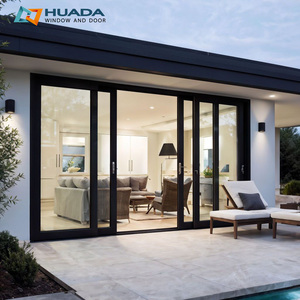
Hurricane Proof 4 Panel Aluminum Sliding Doors Soundproof Heavy Duty Lift And Slide Patio Door Triple Glazed Sliding Doors
Get Catalog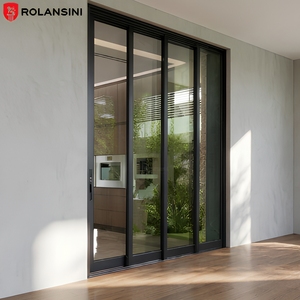
Rolansini Anti-Corrosion Aluminum Alloy Sliding Door Double Glazed Tempered Glass Wind Resistant Patio Sliding Door Wholesale
Get Catalog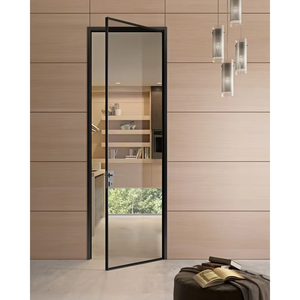
Modern French Design Narrow Frame Aluminum Glass Hinged Casement Door For Interior Kitchen Bedroom Exterior Patio Bathroom Mesh
Get CatalogEnterprise Strengths: Strategic Sourcing from Foshan, China
Why leading global architects, importers, and developers specify BrioWindow fenestration systems for high-end residential and commercial projects.
In the global architectural landscape, the bedroom is no longer viewed merely as a sleeping area; it is a sanctuary requiring extreme thermal control, acoustic isolation, indoor air quality management, and architectural refinement. Choosing the right China aluminium bedroom windows factory and exporter is a critical decision for real estate developers, contractors, and building material importers in the United States, Canada, Australia, and Western Europe.
"Headquartered in Nanhai District, Foshan City—China's global capital for precision aluminum extrusion and structural fenestration—BrioWindow Technology Co., Ltd. bridges the gap between high-volume manufacturing cost-efficiencies and rigorous Western building standards."
With over a decade of dedicated export experience, BrioWindow has optimized the complete OEM/ODM manufacturing chain. Unlike regional assembly workshops, our integrated manufacturing methodology guarantees strict quality control from raw billet extrusion to final export packaging.
6063-T5/T6 Virgin Alloy
We utilize prime-grade 6063-T5 and T6 structural aluminium extrusions with wall thicknesses ranging from 1.4mm to 3.0mm, adhering strictly to GB/T 5237 standards. This provides exceptional wind-load resistance (up to 5000 Pa) without frame distortion over decades of operational stress.
Polyamide PA66 Thermal Breaks
To eliminate thermal bridging, our thermal-break bedroom window series incorporate imported PA66 GF25 (25% glass-fiber reinforced polyamide) insulation strips. This drastically minimizes conductive heat transfer, lowering HVAC energy consumption in extreme climates.
Triple-Sealed EPDM Gaskets
All casement, tilt-and-turn, and sliding window systems are fitted with continuous automotive-grade EPDM (Ethylene Propylene Diene Monomer) composite weatherstripping, delivering unmatched air tightness (Class 8) and water penetration resistance (Class 9A).
Recommended Bedroom Window Systems & Technical Performance
Tailored fenestration solutions engineered for acoustic comfort, weather resilience, and structural integrity.
Specifying bedroom windows requires balancing daylighting with privacy and sound attenuation. Standard residential windows often fail to filter high-frequency urban traffic noise or low-frequency aircraft rumble. Below is an engineering overview of the primary opening configurations exported by China factories:
1. Thermal Break Tilt-and-Turn Casement Windows
Widely preferred in European and North American luxury residences, the tilt-and-turn system offers dual-functionality. In the "tilt" position, it provides draft-free micro-ventilation at the top of the sashes—ideal for sleeping environments—while maintaining full security against intruders. In the "turn" position, it opens inward 90 degrees for effortless cleaning and maximum airflow.
- Acoustic Isolation: Up to STC 43 dB when paired with asymmetrical laminated double-glazing (6mm Low-E + 12Ar + 4mm + 0.76PVB + 4mm).
- Thermal Coefficient: U-Factor ≤ 0.22 BTU/hr·ft²·°F (U-value ≤ 1.2 W/m²K).
- Hardware Compatibility: German Hoppe, Siegenia, or Roto multi-point lock hardware engineered for over 50,000 operational cycles.
2. Ultra-Slim Profile Heavy-Duty Sliding Windows
For modern master bedrooms featuring expansive views, master balconies, or patio access, ultra-slim aluminum sliding windows maximize glass surface area while maintaining sleek, minimalist sightlines (center interlock profiles as narrow as 20mm).
- Smooth Operation: Stainless steel heavy-duty tandem rollers running on solid brass or stainless tracks, carrying panel weights up to 300kg with minimal friction.
- Drainage Engineering: Concealed subterranean gravity drainage systems preventing water backflow even during typhoon-grade rainstorms.
3. Hurricane Impact & Soundproof Bedroom Windows
Designed specifically for coastal zones (such as Florida, the Caribbean, Australia's Cyclone Region, and Southeast Asia), these windows integrate heavy-gauge extruded frames with SentryGlas® (SGP) or PVB laminated tempered glass layers capable of withstanding missile impact tests and extreme pressure differentials.
| Window Configuration | Acoustic Rating (STC) | Thermal U-Value (W/m²K) | Wind Pressure Class | Primary Application |
|---|---|---|---|---|
| Triple-Glazed Tilt-and-Turn | STC 42 - 46 dB | 0.8 - 1.2 | P3 (≥ 5000 Pa) | Cold Climates & High-Noise Urban Zones |
| Thermal Break Casement + Mesh | STC 35 - 40 dB | 1.3 - 1.6 | P2 (3500 - 4500 Pa) | Luxury Suburban Villas & Mid-Rise Condos |
| Narrow-Frame Heavy Sliding | STC 32 - 36 dB | 1.5 - 1.8 | P2 (3000 - 4000 Pa) | Master Bedrooms with Balcony Access |
| SGP Impact Laminated Fixed/Awning | STC 38 - 42 dB | 1.4 - 1.7 | P3+ (≥ 6500 Pa) | Coastal Hurricane & High-Wind Regions |
Future Sourcing & Procurement Trends (2025–2030)
Anticipating market shifts: How smart automation, sustainable aluminium extrusion, and passive house standards are redefining window manufacturing in China.
For international buyers, staying ahead of fenestration industry trends is essential to maintaining a competitive edge. Over the next five to ten years, China's leading window factories are transitioning from basic structural manufacturing to highly automated, smart, and green production technologies.
1. Smart Motorization & Micro-Ventilation
Modern bedrooms increasingly demand automated environmental controls. China manufacturers are embedding concealed brushless DC motors within window sashes, allowing seamless integration with Tuya, Apple HomeKit, or KNX smart home systems. Rain sensors automatically close bedroom windows during sudden downpours, while CO2 sensors trigger micro-ventilation sashes during the night to maintain indoor air freshness without compromising security.
2. Electrochromic & Switchable Smart Glass
The elimination of traditional dusty window blinds in favor of electrochromic switchable glass is gaining rapid traction. At the touch of a button or via smartphone command, bedroom window glass transitions from crystal clear to opaque privacy glass, blocking 99% of UV rays and significantly reducing solar heat gain coefficient (SHGC).
3. Circular Aluminium & Low-Carbon Extrusion
Driven by global carbon reduction mandates (such as the EU's CBAM and North American LEED certifications), top Foshan exporters are adopting recycled green aluminium billets processed via renewable hydropower. Utilizing low-carbon aluminium reduces the embodied carbon footprint of window frames by up to 70%, appealing directly to eco-conscious developers.
Product Development & Architectural Engineering Innovations
Technical advancements in frame aesthetics, surface treatments, and multi-functional hardware integration.
As architectural aesthetics lean toward minimalist interior design, window frame engineering has evolved to hide structural elements while improving mechanical durability. Key development directions implemented at BrioWindow include:
A. Seamless Corner Welding & Fluorocarbon (PVDF) Finishes
Traditional mechanical crimped aluminum corners can develop hairline gaps over time due to thermal expansion. Advanced factories now utilize seamless laser-welding or structural injection-molding corner brackets combined with high-performance PVDF (Polyvinylidene Fluoride) powder coatings or AkzoNobel electro-coating. This guarantees over 25 years of resistance against salt-spray corrosion, fading, and chalking in harsh coastal environments.
B. Integrated Flyscreen & Security Mesh (304 Stainless Steel)
Modern bedroom casement windows are engineered with dual-sash internal configurations. An outer glass sash provides weather isolation, while an inner high-tensile 304 stainless steel security mesh sash (0.8mm wire diameter) provides insect protection, fall-prevention for children, and intruder resistance without obstructing outdoor visibility.
C. Hidden Drainage & Concealed Hinge Systems
Exposed drainage caps and heavy visible hinges are being replaced by concealed friction stays and subterranean micro-slotted drainage channels. This aesthetic evolution provides clean profile surfaces that integrate seamlessly into modern plaster or curtain wall facades.
Frequently Asked Questions (FAQ) for Global Buyers
Clear, direct insights addressing common procurement, technical validation, and logistics queries when importing windows from China.
1. What doors and windows does BrioWindow manufacture in Foshan?
We manufacture a comprehensive portfolio of architectural fenestration products, including aluminum alloy folding doors, sliding doors, swing doors, casement windows, tilt-and-turn windows, and sliding windows. Additionally, our product line encompasses PVC windows and doors, solid wooden doors, certified fire doors, residential sunrooms, architectural curtain walls, central axis pivot entrance doors, and smart motorized window systems.
2. Which international markets does BrioWindow primarily export to?
Our core export markets include the United States, Canada, and Australia. However, our products are engineered to comply with global building standards, allowing us to export to more than 60 countries across North America, Europe, Oceania, the Middle East, and Southeast Asia.
3. Can BrioWindow manufacture custom window sizes based on architectural CAD drawings?
Yes, 100% of our production is tailored to project specifications. Our in-house engineering department analyzes architectural floor plans, elevation drawings, and window opening schedules. We evaluate local structural wind loads, acoustic targets, and energy code requirements (such as NFRC or AS2047) before providing detailed shop drawings for client approval prior to production.
4. What specific project information should I prepare before submitting an inquiry?
To receive an accurate engineering proposal and commercial quotation, please provide: (1) Project location and building type (residential villa, commercial hotel, multi-family apartment), (2) Window schedule or rough opening dimensions, (3) Preferred opening mechanism (casement, sliding, tilt-and-turn), (4) Glass specifications (double/triple pane, Low-E coating, laminated, argon gas fill), (5) Frame color or anodizing/powder coating finish, and (6) Destination sea port and desired construction timeline.
5. What quality guarantees and after-sales support does BrioWindow provide?
We provide a comprehensive 30-year after-sales quality assurance covering aluminum structural profile integrity. Glass seal units and surface finishes carry standard 10-to-15-year warranties, while hardware systems are backed by manufacturer warranties (up to 10 years for Hoppe/Roto). We supply detailed installation manuals, video instruction guides, and 24/7 remote engineering support for site installation teams.
6. How are large glass units protected during long-distance ocean shipping?
All finished windows undergo a 5-layer export packaging protocol: (1) Protective film on profiles, (2) Corner guard protection, (3) EPE foam wrapping, (4) Waterproof shrink wrap, and (5) Fully enclosed fumigated IPPC-certified wooden crates or steel frame A-frame racks loaded via forklift into FCL (Full Container Load) ocean containers.
Partner with a Trusted China Window Manufacturer
Whether you are managing a luxury private villa development, a commercial hotel renovation, or establishing a regional window distribution business, BrioWindow delivers direct factory pricing, factory-tested structural reliability, and dedicated international project support.
