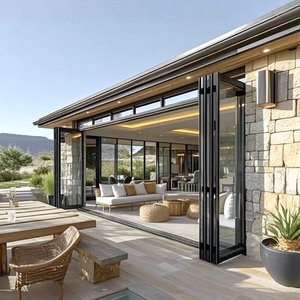
Featured Fenestration Systems
Engineering Excellence for Modern Structures
Factory-direct thermal break aluminum windows, patio doors, and architectural glazing engineered for overseas compliance.
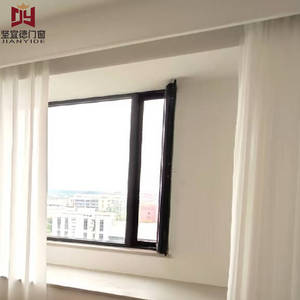
Modern 360 Panoramic Swing Horizontal Micro Ventilation Window
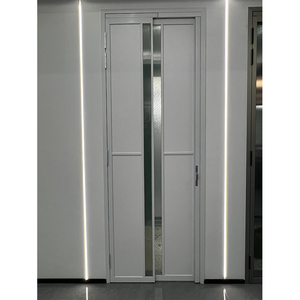
Modern Aluminum & Tempered Glass Folding-Sliding Pocket Door
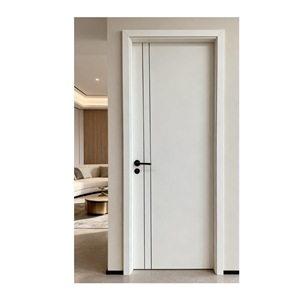
High-End Minimalist Fluted Interior Aluminum Frame Door
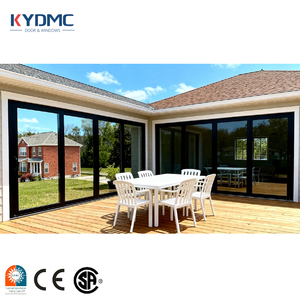
Customized Double Glazed Sliding Door (NFRC / AS2047 Certified)
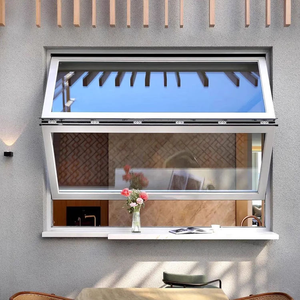
Aluminium Alloy Horizontal Bi-Fold Accordion Window System
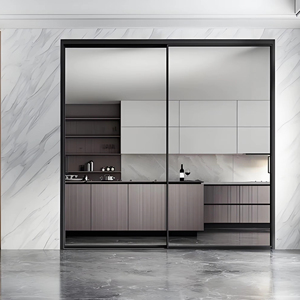
35 Series Slim Frame Aluminum Sliding Door with Tempered Glass
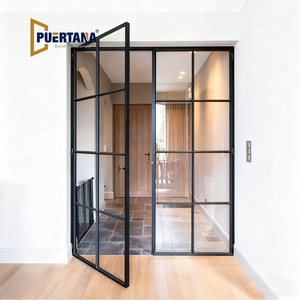
Modern Metal Framed French Swing Glass Door & Wall Divider
Executive Summary & Market Intelligence: Mobile Home Fenestration Sourcing (2026–2030)
The global manufactured home and mobile dwelling sector is undergoing a structural transformation driven by strict energy performance mandates, modern architectural trends, and evolving structural safety protocols. Traditionally viewed as low-cost temporary housing, contemporary manufactured housing, modular villas, and mobile home parks now demand fenestration systems that meet rigorous commercial-grade standards. Central to this evolution is the transition from legacy single-pane mill-finish aluminum frames to highly engineered, thermal break extruded aluminum window and door assemblies.
For international buyers, real estate developers, and manufactured housing OEMs across North America, Australia, and Europe, sourcing window systems from qualified global factories requires balancing compliance, durability, and cost efficiency. The United States Department of Housing and Urban Development (HUD) Code (24 CFR Part 3280), ENERGY STAR® 7.0 standards, and Australian AS2047 fenestration guidelines have elevated performance benchmarks for U-Factor, Solar Heat Gain Coefficient (SHGC), and Design Pressure (DP) ratings.
"Modern mobile home procurement is no longer just about initial unit cost. Today's commercial importers evaluate thermal isolation capability, structural wind load tolerance under severe weather conditions, and long-term joint seals that prevent transit vibration degradation."
This comprehensive industry whitepaper provides structural engineers, procurement executives, and import distributors with an authoritative evaluation of the Top 10 Aluminum Mobile Home Windows Factories & Exporters globally. Through rigorous comparative analysis of alloy formulations, thermal barrier technologies, hardware integration, and supply chain logistics, this report delivers actionable intelligence for high-volume B2B fenestration sourcing.
Evaluation Framework
Core Technical Criteria for Selecting Windows Suppliers
Evaluating export-ready manufacturing facilities requires technical scrutiny across four foundational engineering pillars.
1. Aluminum Alloy Grade & Structural Profile Integrity
Top-tier factories strictly utilize 6063-T5 or 6063-T6 architectural grade aluminum extrusions with nominal wall thicknesses exceeding 1.4mm to 2.0mm. This ensures frame rigidity under wind shear and highway transportation flexure during mobile unit movement.
2. Polyamide Thermal Break Technology
To overcome aluminum's inherent thermal conductivity, premier exporters integrate PA66 nylon reinforcement thermal barrier strips. This structural separation decreases overall assembly U-Factors to beneath 0.28 BTU/h·ft²·°F, preventing interior condensation.
3. Advanced Insulated Glass Units (IGU)
Superior factories configure double or triple glazed units incorporating low-emissivity (Low-E) soft coatings, warm-edge spacers, and argon gas fills (90%+ concentration) to optimize SHGC ratings across both heating-dominant and cooling-dominant climate zones.
4. Certification Portfolio & Quality Control Systems
Leading exporters maintain documented international test certifications, including NFRC (National Fenestration Rating Council), AAMA/WDMA/CSA 101/I.S.2/A440, Australian AS2047, and European CE mark compliance. In-factory testing chambers simulate water tightness, air infiltration, and cycle durability before shipping.
Global Vendor Benchmark
Top 10 Aluminum Mobile Home Windows Factories & Exporters
A rigorous comparative review of leading international window manufacturers based on OEM capability, structural quality, production capacity, and export reliability.
01
BrioWindow Technology Co., Ltd.
Located in Foshan—China's capital of architectural aluminum extrusion—BrioWindow is a specialized manufacturer and exporter with over 10 years of experience delivering high-performance fenestration systems. BrioWindow engineers custom mobile, modular, and residential aluminum window and door systems designed specifically for international code compliance in over 60 countries, including the USA, Canada, and Australia.
- NFRC, AS2047, and CE certified thermal break profile series
- 30-Year comprehensive after-sales quality assurance framework
- Full architectural shop drawing support and engineering verification
- Custom double/triple Low-E glazing tailored for extreme weather conditions
02
Lippert Components Inc. (LCI / Kinro)
Lippert Components is a dominant primary supplier of window and door solutions for the North American mobile housing and recreational vehicle industries. Through its Kinro brand, Lippert manufactures standard-size aluminum and vinyl windows tailored for HUD-code housing plants throughout the United States.
- Massive domestic production infrastructure across North America
- Standardized opening dimensions optimized for rapid assembly lines
- Extensive catalog of single-hung, horizontal slider, and awning styles
03
Ply Gem Building Products (Cornerstone)
Ply Gem, operating under Cornerstone Building Brands, produces a broad array of window systems designed for mobile and modular home construction. Their aluminum product lines emphasize light weight, ease of installation, and baseline thermal performance for budget-conscious developments.
- Widespread distribution footprint across North America
- Integrated glass tempering and frame extrusion facilities
- Multiple product series conforming to regional U-factor requirements
04
Champion Commercial Products
Champion specializes in architectural-grade aluminum window systems utilized in high-end modular developments, prefabricated commercial buildings, and upscale mobile residential projects. Their systems focus heavily on sound attenuation and wind-load resistance.
- Heavy-duty commercial frame profiles for severe exposure zones
- High Sound Transmission Class (STC) acoustic glazing options
- Custom anodized and powder-coated architectural finishes
05
Foshan Grandsea Building Materials Co., Ltd.
Grandsea operates out of Foshan, producing aluminum sliding, casement, and mobile home windows for export. They cater to international contractors and private label distributors seeking factory-direct pricing for mid-tier residential projects.
- Competitive factory-direct wholesale pricing models
- Flexible customization for non-standard rough opening dimensions
- Wide variety of surface treatments, including wood-grain transfer
06
Milgard Windows & Doors (MI Windows)
Milgard produces refined aluminum frame window systems frequently specified in modern prefabricated and luxury mobile housing. Their Thermally Improved Aluminum line balances slim frame aesthetics with engineered thermal barriers.
- Clean, narrow frame sightlines for contemporary architectural designs
- Polyurethane thermal breaks built into structural frame channels
- Strong regional service presence across the Western United States
07
YKK AP America Inc.
YKK AP delivers world-class aluminum extrusion engineering. While heavily focused on commercial curtain walls, their architectural residential and modular window systems are recognized for exceptional joint precision and weather seal integrity.
- Precision engineering with minimal manufacturing tolerances
- Advanced anodizing technology for extreme corrosion resistance
- Rigorous structural and water-infiltration performance testing
08
Guangdong Galuminium Group Co., Ltd.
Galuminium is a large-scale vertically integrated enterprise covering bauxite mining, aluminum smelting, profile extrusion, and finished window fabrication. Their scale allows them to supply large industrial quantities for international projects.
- Complete vertical control over raw aluminum alloy sourcing
- High production capacity for mega-scale real estate projects
- Comprehensive metallurgical laboratory and testing facilities
09
Andersen Architectural (E-Series)
Andersen’s E-Series line caters to high-end modular home builders who require custom aluminum-clad exterior windows with luxury interior wood finishes. These products target the ultra-premium prefabricated dwelling segment.
- Extensive custom color palette and finish capabilities
- Heavy exterior extruded aluminum cladding for low maintenance
- Seamless integration with smart home automation sensors
10
Foshan Aluwin Window & Door Technology
Aluwin specializes in manufacturing custom thermal break aluminum windows and folding doors for export to Australia and North America. Their product design focuses on simple installation for prefabricated modular wall panels.
- Engineered sub-frame systems for fast site mounting
- AS2047 compliant glazing and hardware configurations
- Direct container loading and export protective packaging
Technical Performance Comparison Matrix
To assist procurement managers and structural engineers in evaluating window systems for mobile home applications, the following technical matrix outlines typical engineering parameters across key vendor tiers:
| Performance Parameter | Standard Mobile Window (Non-Thermal) | High-Performance Thermal Break (BrioWindow Tier) | HUD Code Baseline Requirement | Test Standard |
|---|---|---|---|---|
| Thermal Transmittance (U-Factor) | 0.50 – 0.65 BTU/h·ft²·°F | 0.24 – 0.30 BTU/h·ft²·°F | ≤ 0.35 BTU/h·ft²·°F (Zone 3) | NFRC 100 / ISO 10077 |
| Solar Heat Gain (SHGC) | 0.45 – 0.60 | 0.18 – 0.30 (Low-E) | ≤ 0.30 (Southern Zones) | NFRC 200 |
| Structural Wind Load (DP Rating) | DP 20 – DP 30 (90–110 mph) | DP 50 – DP 70 (140–165 mph) | DP 30 Minimum | AAMA/WDMA/CSA 101 |
| Air Infiltration Rate | > 0.30 cfm/ft² | < 0.08 cfm/ft² | ≤ 0.30 cfm/ft² | ASTM E283 |
| Water Resistance Test | 150 Pa (3.0 psf) | 360 Pa – 450 Pa (7.5+ psf) | 180 Pa (3.75 psf) | ASTM E547 / AS4420 |
| Acoustic Isolation (STC) | STC 22 – 25 | STC 34 – 42 (Laminated IGU) | N/A (Project Dependent) | ASTM E90 |
Manufacturing Excellence & Export Packaging Standards
Precision manufacturing is essential when windows must endure thousand-mile transit routes on flatbed trucks before installation on modular building sites. High-quality factories adhere to strict step-by-step production protocols:
- Precision CNC Cutting & Corner Crimping: Aluminum profiles are processed on double-head CNC miter saws with tolerance limits within ±0.3mm. Heavy-duty corner keys combined with dual-component structural epoxy ensure frame joints remain watertight and square under stress.
- Automated Insulated Glass Assembly: Glass panes undergo automatic washing, robotically applied warm-edge butyl sealant application, automated argon gas injection, and secondary structural silicone sealing to prevent perimeter seal failure over decades.
- EPDM Gasket Seals: Rather than low-cost PVC seals, premier factories install weather-resistant Ethylene Propylene Diene Monomer (EPDM) gaskets that resist UV degradation, ozone exposure, and extreme thermal cycling (-40°C to +80°C).
- Seaworthy Heavy Export Packaging: Windows are protected with adhesive surface film, corner guards, air-bubble wrapping, and encased within fully enclosed plywood crates equipped with forklift skids to eliminate transit damage during ocean freight.
Procurement FAQs
Frequently Asked Questions for Sourcing Mobile Home Windows
Expert answers to critical technical and commercial queries raised by international buyers and importers.
What specific window standards must be met for mobile homes exported to North America?
Mobile home windows intended for North America must comply with HUD Code 24 CFR Part 3280 (Subpart H - Thermal Protection and Subpart I - Manufactured Home Construction Standards). Additionally, windows should meet AAMA 1701.2 for structural wind load and thermal criteria outlined by ENERGY STAR® 7.0 for specific climate zones. BrioWindow provides full laboratory test documentation for compliance verification.
How does a thermal break aluminum window compare to standard vinyl (uPVC) for mobile homes?
While vinyl (uPVC) offers good thermal performance at a lower initial cost, thermal break aluminum offers significantly superior structural strength, narrower frame sightlines, greater color durability (no warping or yellowing under intense UV), and superior wind-load resistance. For large modular openings, panoramic patio doors, or transportable homes subject to road flexure, thermal break aluminum is structural superior.
Can BrioWindow manufacture windows to custom sizes and architectural CAD drawings?
Yes. BrioWindow specializes in custom OEM and ODM manufacturing. Our engineering team reviews your architectural DWG/PDF drawings or rough opening schedules, verifies wind load and glass calculations, and produces detailed shop drawings for buyer approval prior to extrusion cutting and fabrication.
What is the typical production lead time and minimum order quantity (MOQ) for overseas orders?
Standard factory production lead time is typically 25 to 35 days upon final shop drawing approval and deposit receipt. For custom extrusion finishes or specialized glass configurations, lead times may extend to 40 days. Minimum order quantities depend on profile standardization, but we accommodate mixed-product container loads (e.g., combining sliding windows, bi-fold doors, and entry doors in a single 20ft or 40ft HQ container).
How do global exporters prevent glass breakage and frame warping during ocean container transport?
Export protection involves multi-layer packaging: individual window units are film-wrapped, fitted with protective rubber corner block pads, separated by foam sheet layers, and secured in custom fumigated plywood crates. Desiccant packs are inserted into crates to absorb sea moisture, preventing oxidation of hardware components during transit.
What after-sales support and warranty coverage does BrioWindow provide to international partners?
BrioWindow provides a 30-year limited warranty covering structural aluminum frame integrity and anodized/powder-coated surface finishes, along with a 10-year warranty on insulated glass unit seals. In the rare event of transit damage or missing components, we expedite replacement parts via air freight to minimize project delays on site.
Partner with Foshan’s Premier Windows & Doors Exporter
BrioWindow Technology Co., Ltd. combines ten years of specialized manufacturing experience in Foshan with an unyielding commitment to international engineering standards. Whether you are developing a mobile home community, sourcing custom modular residential windows, or expanding an import distribution network in the USA, Canada, or Australia, our engineering team delivers precision, reliability, and value.
