Featured Architectural Aluminium Systems
Engineered for high-end residential villas, commercial complexes, and modern industrial developments worldwide.
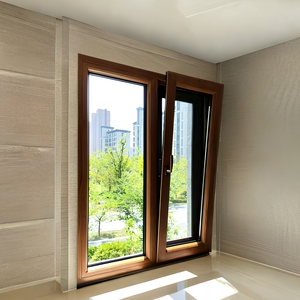
Manufactures Latest Design Aluminum Wood Triple Glazed Stainless Steel Custom Waterproof Tilt Turn Windows for Bathroom Houses
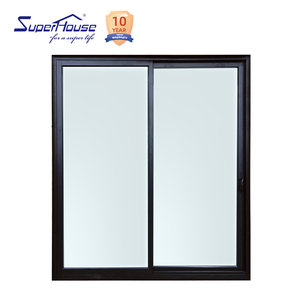
Stacker Door Energy Efficient Aluminum Sliding Windows for Residential Projects
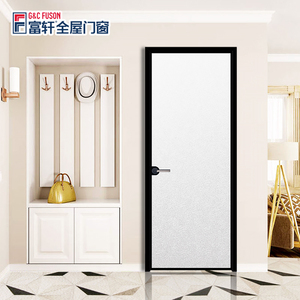
Hotel Room Glass Interior Casement Door With Lock Kitchen House Bedroom Door Office Aluminum Frame Swinging Glass Swing Door
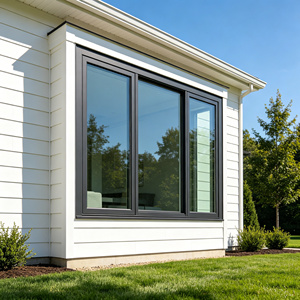
Thermal Break Aluminum Double Hung Window Large Size Double Glazed Low-E Glass for American Residential Villa Projects
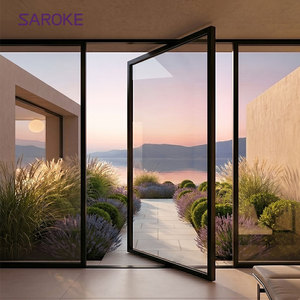
American Standard Thermal Break Soft Close Slim Double Glass Interior Aluminium Alloy Pivot Door
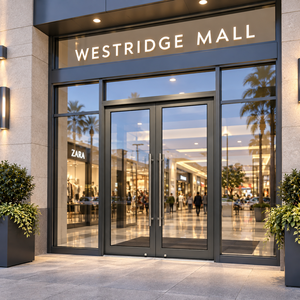
Hihaus 2027 Style Commercial Glass Door Office Store Shopping Mall Front Aluminum Spring Door
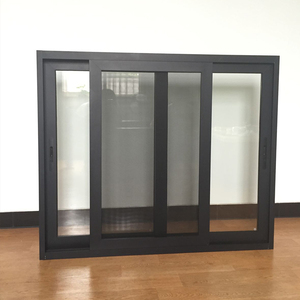
OUNA Basement Aluminum Sliding Window Small Size Horizontal Design Waterproof And Ventilation Ideal For Below Grade Installation
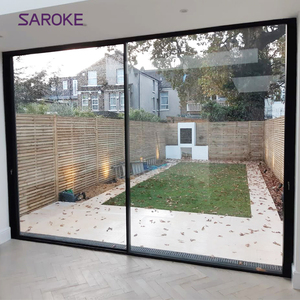
Multi Tracks Large Glass Thermal Break Villa Patio Hurricane Proof Aluminum Balcony Sliding Doors for Exterior Use
Global Aluminium Windows & Doors Procurement: 2026 Architectural Whitepaper
The global demand for high-performance fenestration systems has underwent a structural paradigm shift over the past five years. Driven by strict energy efficiency mandates, net-zero building benchmarks, and extreme weather resilience requirements, commercial developers, architectural procurement heads, and residential project builders are scrutinizing aluminium window and door exporters with unprecedented technical rigor. Selecting top aluminium windows & doors exporters is no longer merely a transaction of purchasing profile extrusions; it is an integrated engineering commitment involving thermal physics, structural integrity under high wind loads, water tightness, material longevity, and regional compliance standards such as NFRC, ASTM, AS2047, and CE EN 14351-1.
▶ Future Procurement Trends in Global Fenestration (2026–2030)
As international energy codes tighten across North America, Europe, and Australia (e.g., Australia's NCC 7-Star energy ratings and California Title 24 compliance), B2B buyers must align their procurement strategies with four key emerging industry trends:
1. Ultra-Low Thermal Transmittance (U-Factor & SHGC Optimization)
Standard aluminum frames are rapidly being replaced by multi-cavity thermal break extrusions integrated with warm-edge spacers, triple Low-E insulated glass units (IGU), and Argon or Krypton gas fillings. Modern projects demand U-factors below 0.25 BTU/h·ft²·°F (U-value < 1.4 W/m²K) to meet passive house standards.
2. Minimalist Sightlines & Large-Format Glazing
Architects favor slim-frame profiles, hidden sash designs, and narrow center interlocks (down to 16mm-21mm sightlines). These systems maximize daylighting while relying on structural silicon bonding and heavy-duty concealed roller hardware capable of supporting single panels up to 500kg.
3. Smart Automation & IoT Integration
Motorized casement windows, concealed electrical actuator tilt-turn units, and smart biometric central axis pivot doors integrated with home automation platforms (Zigbee/KNX/Wi-Fi) are shifting from niche luxury items to standard commercial specifications.
4. Hurricane-Impact & Extreme Weather Engineering
With coastal storms increasing in frequency, international buyers in the Caribbean, Southeastern USA, and Oceania now mandate Florida Product Approval (FPA) or cyclone certification (AS1170.2). Exporters must provide laminated SGP impact glass combined with reinforced alloy 6063-T6 frame structures.
▶ Product Development & Material Science Breakthroughs
The manufacturing hub of Foshan, China—led by enterprise pioneers like BrioWindow Technology Co., Ltd.—has spearheaded several technological advancements in architectural window and door engineering:
- Polyamide PA66-GF25 Thermal Barriers: Replacement of cheap PVC thermal strips with 25% fiberglass-reinforced polyamide strips, raising thermal deformation temperatures above 240°C while offering matching expansion coefficients to standard aluminum alloys.
- PVDF Fluorocarbon Surface Finishes: Application of AkzoNobel or PPG fluorocarbon coatings compliant with AAMA 2605 specifications, guaranteeing 30-year resistance against UV degradation, chalking, sea mist corrosion, and chemical exposure.
- Multi-Point Compression Sealing (EPDM): Integration of automotive-grade continuous EPDM gasket loops combined with multi-point locking hardware (German Siegenia or HOPPE systems) ensuring sound reduction performance exceeding STC 42dB.
- Hybrid Material Engineering: Seamless fusion of exterior structural aluminum with interior sustainable solid wood or soft-close luxury finishes, balancing exterior weather endurance with interior warm architectural aesthetics.
Top Exporter Evaluation Matrix: Technical Benchmark Comparison
Comprehensive decision matrix used by international contractors to benchmark top aluminium windows & doors exporters against key operational and engineering criteria.
| Evaluation Vector | Tier 1 Export Standards (e.g., BrioWindow) | Generic Exporter Practices | Impact on Project & Risk Factor |
|---|---|---|---|
| Raw Material Alloy | Primary 6063-T5 / T6 Virgin Aluminium (Wall thickness 1.4mm - 3.0mm+) | Recycled scrap aluminium (Inconsistent wall thickness < 1.2mm) | Prevents frame distortion, structural failure under high wind load, and joint cracking. |
| Thermal Break Strip | Imported PA66-GF25 Nylon Insulation Strips | Low-grade PVC plastic strips | Prevents plastic degradation, thermal bridging, and frame separation under severe climate cycles. |
| Glass & Glazing Unit | SGCC / AS/NZS 2208 Certified Toughened Double/Triple Low-E + Argon Gas | Non-certified float glass, manual dual-seal tape | Eliminates glass fogging, seal failure, spontaneous breakage, and energy loss. |
| Hardware & Lock Systems | German Siegenia, Hoppe, Sobinco, or Custom Heavy-Duty Concealed Hinges | Unbranded domestic zinc alloy hardware | Guarantees 100,000+ opening cycles without sash sagging, rust, or locking jam. |
| Export Quality Control | 100% Pre-shipment trial assembly, air/water pressure laboratory testing | Random visual check without pressure testing | Ensures zero site alignment issues, rapid installation, and zero structural jobsite leaks. |
| After-Sales Assurance | 30-Year structural warranty with global technical documentation support | 1-2 Year limited warranty with minimal export documentation | Protects real estate developers and buyers against long-term operational liabilities. |
Enterprise Core Competencies: Why Partner with BrioWindow
Headquartered in Foshan, China—the world’s premier aluminum manufacturing capital—BrioWindow Technology Co., Ltd. delivers factory-direct engineering and global export reliability.
10+ Years Dedicated Export Mastery
With over a decade of international trade and custom engineering, BrioWindow has successfully supplied major residential, commercial, and hospitality projects across the United States, Canada, Australia, and over 60 countries globally.
30-Year After-Sales Quality Guarantee
We stand behind our craftsmanship with an industry-leading 30-year quality assurance program. Every system undergoes rigorous national testing and laboratory validation following European and North American methodology.
Comprehensive Multi-Product Integration
Eliminate multi-vendor fragmentation. BrioWindow provides a complete architectural envelope portfolio: thermal break sliding/swing/folding doors, casement and double hung windows, central axis pivot doors, smart motorized systems, PVC units, fire doors, sunrooms, and curtain walls.
Full Shop Drawing & Engineering Consultation
Our dedicated engineering team reviews architectural plans, elevation schedules, wind-load parameters, and local building codes, offering tailored profile selection, glass configurations, hardware matching, and complete CAD/BIM shop drawings prior to production.
Export Packing & Safe Logistics Protection
Every window and door is individual-labeled by elevation mark, wrapped in multi-layer protective film, padded with corner guards, and crated in fully sealed plywood boxes to guarantee zero sea-freight transit damage upon arrival at your destination port.
Frequently Asked Questions (FAQ) for International Procurement
Expert guidance addressing critical technical, engineering, and trade questions raised by international importers, contractors, and project developers.
What types of doors and windows does BrioWindow manufacture and export?
We manufacture a complete spectrum of architectural fenestration solutions. This includes thermal break aluminum folding doors, sliding doors, swing doors, casement windows, double hung windows, sliding windows, central axis pivot doors, and smart motorized automation units. Additionally, we manufacture PVC doors and windows, wooden doors, fire-rated doors, glass sunrooms, and unitized curtain wall systems for commercial developments.
Which international export markets and building codes do your products support?
Our primary export markets are North America (United States, Canada) and Australia/New Zealand, alongside projects in over 60 countries across Europe, the Middle East, and South America. Our systems are engineered and tested to comply with strict international standards, including North American AAMA/WDMA/CSA 101/I.S.2/A440 (NFRC rated) and Australian AS2047 / AS1288 standards.
Can you custom-manufacture products based on project drawings and CAD schedules?
Yes, 100% of our production is fully customized per project specifications. Our structural engineering team works directly from your architectural elevation plans, floor layouts, and opening schedules. We recommend suitable profile series, thermal break configurations, structural glass thicknesses, hardware locking points, and powder coat or PVDF frame colors before producing formal CAD shop drawings for sign-off.
What project information should I prepare before requesting a formal quote?
To receive an accurate engineering proposal and itemized commercial quote, please provide: (1) Project location and building type (residential villa, commercial tower, coastal home), (2) Opening dimensions or architectural drawings/schedules, (3) Preferred opening mechanisms (sliding, casement, tilt-turn, folding), (4) Glass performance requirements (double/triple pane, Low-E, tinted, laminated impact glass), (5) Preferred frame finish/color, and (6) Target delivery schedule and destination sea port.
What warranty coverage and technical after-sales support do you provide?
We provide a comprehensive 30-year after-sales quality assurance covering profile structural integrity, surface finish durability, and glass unit seal performance. Hardware components carry standard 5-to-10-year manufacturer warranties. For international clients, we supply detailed step-by-step installation manuals, video guidance, structural anchor detailing, and 24/7 online engineering support for site installation teams.
How do thermal break aluminium windows improve overall building energy performance?
Standard aluminum is a natural thermal conductor. A thermal break window incorporates an engineered non-conductive barrier (such as Polyamide PA66-GF25) inserted between the interior and exterior aluminum profile extrusions. This barrier interrupts heat conduction, drastically reducing thermal energy transfer. When paired with Low-E insulated double or triple glazing filled with Argon gas, energy consumption for indoor heating and cooling can be reduced by 30% to 50%.
