Featured Aluminium Kitchen & Interior Door Systems
Engineered in Foshan, China by BrioWindow Technology. Optimized for thermal insulation, structural durability, space economy, and modern architectural aesthetics.
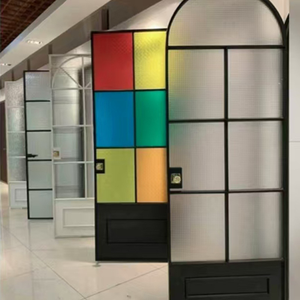
Arch Aluminum Casement Doors Interior Bathroom Kitchen Double Wrapped Flush Glass French Doors
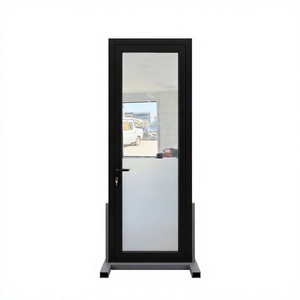
Modern Black Aluminum Tempered Glass Casement Door with Stainless Steel Mesh Screen
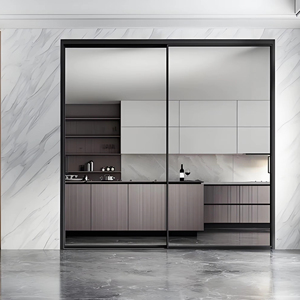
35 Series Slim Aluminum Alloy Kitchen Sliding Door with Double Tempered Glazing
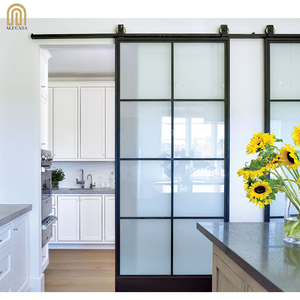
Interior Black Aluminium Frame Glass Sliding French Barn Door for Kitchens
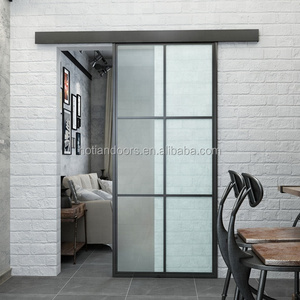
Weather-Resistant Tropical Aluminum Kitchen Sliding Barn Door System
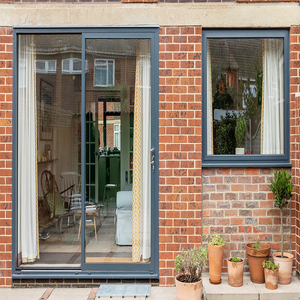
Heavy-Duty Aluminum Alloy Glass Bi-Fold Door Waterproof Kitchen & Exterior System
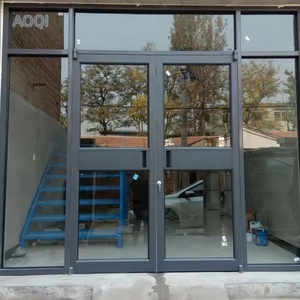
Impact-Resistant Commercial Grade Aluminum Swing Access Door for Restaurant Kitchens
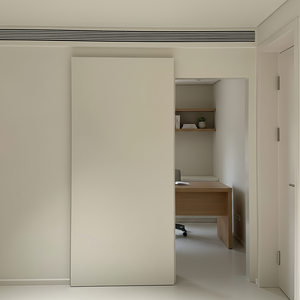
Industrial Style Acoustic Glazed Aluminum Barn Sliding Door for Open Kitchens
Architectural Sourcing Analysis: Aluminium Kitchen Stable Doors (Dutch Doors) in Modern Fenestration
In contemporary residential architecture and high-end commercial hospitality developments, the kitchen door has evolved far beyond a basic partition. Known historically as Dutch doors or split-leaf doors, aluminium kitchen stable doors represent a sophisticated convergence of ergonomic ventilation control, child safety, thermal efficiency, and minimal profile aesthetics. Sourcing managers, real estate developers, and fenestration importers face a complex global supply chain where material selection, profile engineering, hardware durability, and factory compliance dictate project profitability and long-term building lifecycle performance.
As a leading architectural door and window manufacturer located in Foshan, China—the primary global hub for aluminum extrusion technology—BrioWindow Technology Co., Ltd. delivers factory-direct engineering expertise to overseas clients across North America (USA, Canada), Australia, Europe, and the Middle East. This whitepaper provides a rigorous breakdown of material specifications, future procurement shifts, design innovation trends, and technical audit parameters for global buyers seeking reliable aluminium kitchen stable door suppliers.
1. Material Science & Structural Engineering Breakdown
Evaluating an aluminium kitchen stable door factory requires a granular technical review of the profile composition, surface treatment, glass pack construction, and perimeter sealing mechanism. The operational integrity of a split-leaf door hinges on the precision of its center horizontal interlock and hinge alignment.
| Engineering Parameter | Standard Sourcing Benchmark | BrioWindow Premium Factory Grade | Architectural Benefit |
|---|---|---|---|
| Alloy Composition | Recycled 6063-T5 Aluminium | Primary Virgin 6063-T6 Extrusion | Higher tensile strength, flexural rigidity, and resistance to sagging. |
| Profile Wall Thickness | 1.2mm – 1.4mm | 1.6mm – 2.0mm Heavy-Duty | Supports heavy double/triple glazed low-E glass packs without frame twist. |
| Thermal Insulation | Non-Thermal Break Profile | Polyamide PA66 Thermal Strut | Prevents thermal bridging; dramatically reduces kitchen AC cooling loss. |
| Surface Finish | Standard Powder Coating (40µm) | AkzoNobel PVDF Coating / Anodized 25µm | Resists grease stain, moisture oxidation, yellowing, and cleaning chemicals. |
| Glass Specification | Single 5mm Tempered Glass | 5mm + 12Ar + 5mm Double Low-E Argon | Acoustic buffering (STC 38+), thermal insulation, and shatterproof safety. |
| Sealing System | Single Rubber Gasket | Dual-Density EPDM Weatherstripping | Zero smoke leak into living quarters; water tightness under rain pressure. |
| Hardware & Hinges | Zinc Alloy Single Point Lock | German Siegenia / Custom SS304 Multi-Point | Operates smoothly over 100,000 cycle testing; prevents forced entry. |
Split-Leaf Structural Rigidity
Kitchen stable doors split horizontally into independently functioning top and bottom sashes. BrioWindow incorporates internal heavy-duty corner cleats and stainless steel alignment pins to guarantee that the top and bottom panels latch together seamless without air leaks or structural sag over time.
Thermal & Smoke Isolation
Cooking fumes and heat transfer are major pain points in residential kitchens. Our thermal break stable doors utilize custom rebated meeting rails equipped with triple EPDM seals, effectively keeping oil smoke confined while allowing upper-sash ventilation.
Architectural Customization
From ultra-slim minimalist modern black frames to classic grid French door layouts, flush glass wrapping, or integrated magnetic insect screens, our Foshan factory custom fabricates openings strictly to architectural CAD schedule specifications.
2. Global Sourcing & Future Procurement Trends (2026–2030)
The international building envelope and door manufacturing sector is undergoing rapid transformation driven by strict energy codes, smart home ecosystem integration, and modular construction demands. Importers and commercial buyers sourcing aluminium kitchen stable doors must realign their procurement strategies with four key industry shifts:
A. Shift Toward Ultra-Slim Sightlines & Flush Glazing
Modern interior design emphasizes daylight harvesting and uninterrupted sightlines. Sourcing preferences have pivoted from bulky, traditional wide-frame aluminium doors to narrow-profile systems (profile face width under 35mm). Advanced fabrication techniques now bond double-glazed glass flush to the aluminium frame edge, creating an elegant, easy-to-clean glass surface resistant to kitchen grease build-up.
B. Integration of Smart Access Control & Automation
Residential projects increasingly demand biometric, keypad, and mobile app integration on kitchen and patio entry points. The next generation of aluminium stable doors features concealed electric strike locks, magnetic sensors for home security status check, and automated micro-ventilation top sashes controlled via smart home hubs.
C. Zero-Formaldehyde & Sustainable Building Material Mandates
Green building standards such as LEED, BREEAM, and WELL strict limits on indoor VOC emissions. Solid timber doors often rely on urea-formaldehyde adhesives, whereas 100% recyclable aluminium alloy profiles with non-toxic powder coatings provide an environmentally certified, fire-safe solution ideal for high-humidity, high-temperature kitchen environments.
D. Prefabricated Unitized Assembly for Faster Job-Site Turnover
High labor costs in North America, Australia, and Europe have increased demand for factory-pre-hung door systems. Leading suppliers now pre-assemble frames, pre-drill hardware installation points, and ship fully factory-tested unitized packages. This reduces field installation times by up to 60%, minimizing contractor error on site.
3. Product Development Trends in Aluminium Kitchen Stable Door Systems
To maintain a competitive edge, elite factories are continuously innovating split-leaf hinge mechanics, weatherproofing geometries, and material combinations. Below are the cutting-edge structural developments currently defining top-tier factory production lines:
- Concealed Heavy-Duty Split Hinges: Traditional Dutch doors rely on exposed surface-mounted hinges that compromise clean visual lines. Development trends favor 3D adjustable concealed stainless steel hinges rated up to 120kg per leaf, guaranteeing smooth 180-degree swing functionality without visible screws.
- Magnetic Dust & Insect Screen Integration: Modern kitchen stable doors feature drop-down magnetic flyscreens housed invisibly within the top sash profile frame. When the top door leaf is opened for ventilation, the screen deploys automatically to prevent insects from entering the kitchen area.
- Integrated Drop-Down Bottom Seals (Automatic Acoustic Draft Stoppers): To replace ugly raised floor thresholds that create tripping hazards for kitchen service, engineers have developed internal spring-loaded EPDM floor drop seals that drop down mechanically only when the door leaf closes, sealing 10mm floor gaps flawlessly.
- Hybrid Anodized Metallic Finishes: Moving away from standard flat black and white powder coatings, factories are using micro-textured matte anodizing, brushed bronze, and metallic PVDF coats that conceal fingerprint oils and resist kitchen impact scuffs.
Why BrioWindow Technology is Your Strategic Foshan Manufacturing Partner
Headquartered in Nanhai District, Foshan City, Guangdong Province, BrioWindow Technology Co., Ltd. operates at the center of China’s fenestration supply chain. Over a decade of specialized export operations to over 60 countries enables us to bridge technical code gaps between Asian manufacturing and strict international building standards (AS2047, NFRC, CE, BS EN).
10+ Years Export Authority
Deep familiarity with US, Canadian, Australian, and EU port entry standards, structural wind load requirements, and thermal performance certifications.
Comprehensive Product Ecosystem
Single-source procurement for aluminium sliding doors, swing casement systems, bi-folds, pivot doors, smart motorized windows, PVC systems, and curtain walls.
30-Year Warranty & Testing
Every batch undergoes rigorous factory hydrostatic pressure testing, air filtration analysis, and cycling tests. Backed by a 30-year after-sales quality commitment.
4. Comprehensive B2B Procurement FAQ
Answers to critical questions asked by procurement officers, architectural specifiers, and fenestration importers when evaluating aluminium kitchen stable door suppliers.
Initiate Your Factory-Direct Sourcing Partnership Today
Whether you are an architectural hardware distributor, a fenestration importer, or a general contractor managing luxury residential villa projects, BrioWindow delivers precision-engineered aluminium door and window systems tailored to your exact market specifications.
