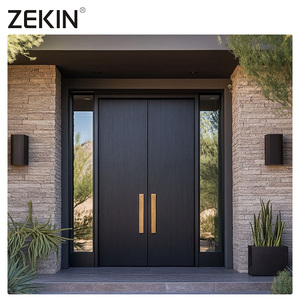
Flagship Fenestration Portfolio
High-Performance Architectural Doors & Windows
Engineered in Foshan, China for extreme structural integrity, thermal efficiency, and global building code compliance.
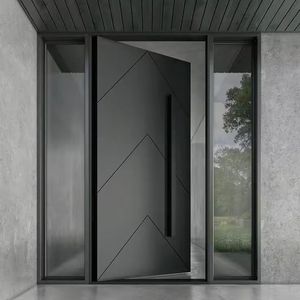
Modern Pivot Door Anti-Theft Minimalist Aluminum Finished Entry For Apartment And Villa Outdoor Use
Get a Quote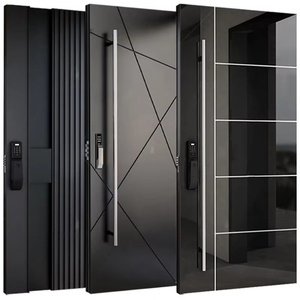
Alucasa Modern Design New Style Entrance Pivot Front Aluminum Door Luxury Villa Modern Glass Door for Houses
Get a Quote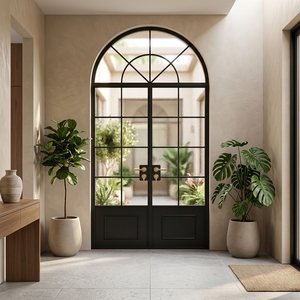
Modern Aluminum French Double Swing Doors with Arched Design for Living Room, Balcony, Hotel and Restaurant
Get a Quote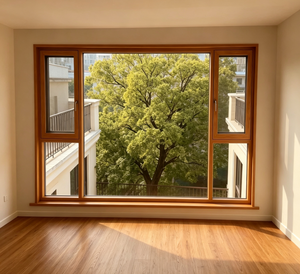
Hot Sale China Manufacturer Modern Aluminum Clad Wood Tilt and Turn Swing Open Windows for Green Buildings Wood Aluminum Window
Get a Quote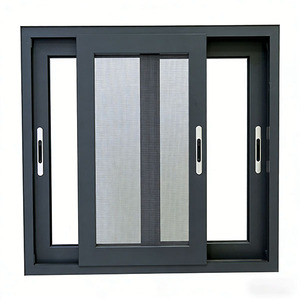
Hurricane Impact Sliding Windows Soundproof Double Glazed Aluminum Alloy Window House Horizontal Sliding Window
Get a Quote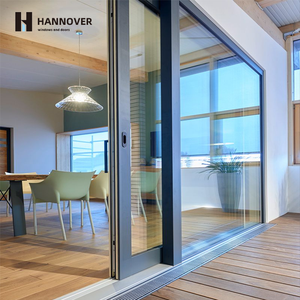
Panoramic Aluminum Lift and Slide Door Heavy Duty Double Glazed Sliding Glass Doors with Slim Frame for Luxury Villa Project
Get a Quote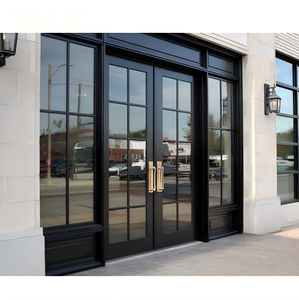
XIYATECH Modern Commercial Storefront Custom Customized Aluminum Alloy Soundproof Glass Automatic Swing Doors
Get a Quote10+
Years Manufacturing Mastery
60+
Global Export Markets
30-Year
Quality Assurance Guarantee
RC3/RC4
Burglar Resistance Tested
Industry Whitepaper & Sourcing Blueprint
Evaluating the World's Leading Aluminium Front Door Manufacturers
A rigorous examination of material metallurgy, thermal break engineering, pivot mechanics, and OEM factory qualifications.
The global luxury architectural entrance market has undergone a paradigm shift. Exterior front doors are no longer treated as simple passive barriers; they are now complex engineering assemblies designed to satisfy aggressive thermal insulation targets, extreme structural wind loads (up to hurricane force), automated home security integration, and aesthetic minimalism. When sourcing from top aluminum front door factories—particularly within the manufacturing ecosystem of Foshan, Guangdong, China—commercial buyers, structural engineers, and real estate developers require a granular understanding of factory capabilities, alloy specifications, and performance validation standards.
"Information Gain Insight: True structural longevity in aluminum front doors depends not merely on profile thickness, but on the precise tensile strength of the 6063-T6 alloy extrusion, thermal bridge design using Polyamide (PA66GF25), and surface fluorocarbon (PVDF) coating thickness exceeding 25 microns for coastal corrosion mitigation."
1. Macro Trends Shaping Aluminium Entrance Door Manufacturing (2026–2030)
As international energy efficiency standards tighten across North America (NFRC/ENERGY STAR), Australia (AS2047/WERS), and Europe (CE/EN 14351-1), aluminum entrance door manufacturers must continuously innovate. Key technical vectors include:
Advanced Thermal Isolation
Implementation of multi-chamber thermal breaks filled with Aerogel or expanded polyurethane (PU), achieving U-values below 0.95 W/m²K for ultra-low energy buildings and Passive House standards.
Multi-Point Smart Security
Integration of motorized German-engineered multi-point automatic locking hardware compatible with biometrics, RFID, and facial recognition, meeting EN 1627 RC3 and RC4 burglar resistance standards.
Oversized Pivot Mechanics
Custom heavy-duty hydraulic floor springs engineered to support single-leaf pivot panels weighing up to 500kg with dimensions up to 3000mm in width and 6000mm in height.
Top-tier manufacturers differentiate themselves by moving away from non-thermal break commodity profiles toward engineered systems featuring high-density insulated cores, heavy armor plating (armored aluminum exterior doors), and concealed heavy-duty hinges designed for seamless aesthetic continuity.
2. Technical Evaluation Matrix: Sourcing Benchmark Criteria
When auditing prospective OEM/ODM aluminum door factories, procurement directors should compare material specifications against the following engineering matrix:
| Evaluation Parameter | Standard Commodity Factory | Top-Tier OEM Benchmark Factory | Architectural Performance Standard |
|---|---|---|---|
| Aluminium Alloy & Temper | Recycled / Standard 6063-T5 | Primary Virgin 6063-T6 / 6061-T6 | ASTM B221 / GB 5237.1-2017 Tensile ≥205 MPa |
| Profile Wall Thickness | 1.2mm – 1.4mm | 2.0mm – 3.0mm Structural Reinforcement | Exceeds High-Wind Structural Deflection Limits |
| Thermal Break Strip | PVC or Recycled Nylon | PA66GF25 (25% Glass Fiber Reinforced) | ISO 14001 / Low Thermal Conductivity (λ ≤ 0.3 W/m·K) |
| Surface Coating | Basic Powder Coating (<15μm) | PVDF Fluorocarbon Coating / Qualicoat Class 3 | AAMA 2605 / 3000-Hour Salt Spray Resistant |
| Hardware & Locksets | Generic Domestic Locks | German Siegenia / HOPPE / GU / Custom Heavy Systems | EN 12209 / Tested to >200,000 Open/Close Cycles |
| Glass Configuration | Single or Standard Double Glazed | Triple Glazed Low-E + Argon Gas + Warm Edge Spacer | SGCC / EN 12150 Toughened Safety Glass |
3. Structural Analysis: Pivot vs. Armored Swing vs. Panoramic Sliding
Procurement teams must carefully match the architectural door typography to the project's functional environment:
A. Central Axis Pivot Entrance Doors: Pivot systems redistribute door leaf weight down to a heavy-duty floor spindle rather than lateral frame hinges. This allows for immense entrance leaves without structural frame sagging. Premium factories utilize integrated dynamic drop-down perimeter seals to solve traditional draught and water penetration issues at the pivot threshold.
B. Armored Security Exterior Doors: Utilizing multi-layer construction—combining 3.0mm structural aluminum extrusions, steel core anti-drill plates, and high-density acoustic insulation cores—armored doors offer ballistic resistance and anti-pry protection without sacrificing modern minimalist aesthetics.
C. Lift-and-Slide / Panoramic Glazed Doors: Engineered for wide patio and villa transitions, lift-and-slide hardware mechanisms elevate the panel off the sealing weatherstripping prior to movement, allowing 400kg panels to glide effortlessly on stainless steel tracks while maintaining airtight seals when lowered into the locked position.
4. Future Procurement Trends & Strategic Sourcing (2026 and Beyond)
The upcoming decade will favor manufacturers capable of delivering customized digital CAD shop drawings, rapid prototyping, and verified carbon footprint documentation (Environmental Product Declarations - EPD). Key developments driving factory selection include:
- Automated CNC Precision Machining: Modern factories leverage 5-axis CNC machining centers to ensure hinge cutouts, lock mortises, and corner crimping achieve tolerances within ±0.1mm.
- Integrated Wood-Aluminum Hybrid Engineering: Combining structural exterior aluminum weather barriers with interior solid timber cladding gives luxury residential buyers architectural warmth with weatherproof durability.
- Smart Glass Integration: Incorporating electrochromic PDLC smart switchable glass into front door vision panels to toggle between complete privacy and high clarity at the touch of a button.
Factory Benchmark Profile
BrioWindow Technology Co., Ltd.
Headquartered in Nanhai District, Foshan, Guangdong—the epicenter of global aluminum profile manufacturing—BrioWindow Technology Co., Ltd. stands as a benchmark enterprise among top aluminum front doors factories. Operating with over a decade of specialized export experience, BrioWindow serves high-end residential, commercial, and multi-family projects across North America, Australia, and over 60 countries worldwide.
-
✓Comprehensive Product Portfolio: Single-source supply spanning aluminum sliding doors, casement swing doors, central axis pivot doors, aluminum-clad wood tilt-and-turn windows, sunrooms, and curtain walls.
-
✓Rigorous Quality Assurance: Full compliance with international testing standards. Products are certified for structural wind resistance, water tightness, and soundproofing under European and North American test methods.
-
✓30-Year After-Sales Guarantee: Industry-leading long-term quality commitment supported by modular replacement hardware and technical engineering guidance.
-
✓End-to-End Project Customization: In-house engineering teams analyze architectural elevation drawings to provide custom profile extrusion, thermal break optimization, and bespoke finish options.
Procurement Guidance
Frequently Asked Questions (FAQ)
Essential considerations for sourcing aluminum front doors directly from Chinese manufacturing facilities.
What specific manufacturing standards and certifications should I request from an aluminum door factory?
For international compliance, ensure the factory provides test reports for structural deflection (ASTM E330), air infiltration (ASTM E283), and water resistance (ASTM E331) for North America (NFRC/AAMA), or AS2047/AS1288 for Australia. Additionally, confirm that raw aluminum profile extrusions meet GB 5237 / ASTM B221 standards and that glass carries SGCC or EN 12150 safety toughening credentials.
Why are thermal breaks critical for aluminum exterior front doors?
Aluminum is an excellent thermal conductor. Without a thermal break, outdoor heat or cold will readily transfer indoors, leading to energy loss and condensation inside the building envelope. High-performance front door factories utilize structural Polyamide strips (PA66GF25) to physically isolate the exterior and interior aluminum profiles, dramatically improving total door U-values and preventing interior moisture buildup.
What are the key structural advantages of central axis pivot doors over conventional hinged doors?
Pivot doors transfer panel weight vertically down into the floor slab via heavy-duty hydraulic floor pivots rather than applying cantilevered lateral loads onto vertical side jambs. This structural dynamic allows for oversized grand entrance panels (width > 2000mm, height > 4000mm) with effortless manual operation, smooth closing controls, and striking modern entrance aesthetics.
How do top factories ensure anti-corrosion performance in coastal locations?
For coastal environments subjected to salt spray, top factories apply PVDF (Polyvinylidene Fluoride) fluorocarbon coatings or Qualicoat Class 2 / Class 3 powder coatings over pre-treated aluminum extrusions. A minimum film thickness of 25–30 microns ensures the door resists chalking, fading, and salt oxidation over 20+ years of severe exposure, compliant with AAMA 2605 specifications.
What lead times and packaging safeguards are typical for container shipment?
Standard fabrication lead times range from 25 to 40 days depending on custom hardware, glass specifications, and surface finishes. For overseas transit, doors must be packed using multi-layer protection: protective surface film, corner foam guards, waterproof shrink wrapping, and fully enclosed fumigated plywood crates to prevent shipping abrasion and moisture exposure during ocean freight.
Can BrioWindow manufacture custom entrance doors based on architectural CAD drawings?
Yes. BrioWindow Technology Co., Ltd. operates a dedicated engineering department that reviews architectural elevation plans, door opening schedules, and performance requirements. Detailed shop drawings (CAD/BIM models) are generated for client approval prior to cutting profiles, ensuring exact dimensional match, structural integrity, and hardware compatibility.
