Featured Aluminum & Clad Fenestration Systems
Engineered in Foshan, Guangdong—China's global aluminum manufacturing capital—these systems offer hurricane-grade structural compliance, thermal breaks, and minimal sightlines.
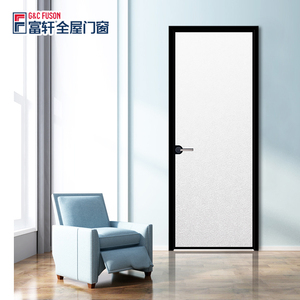
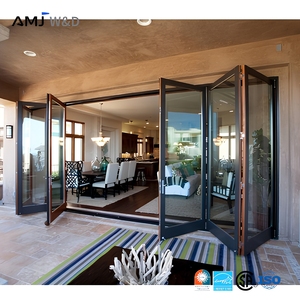
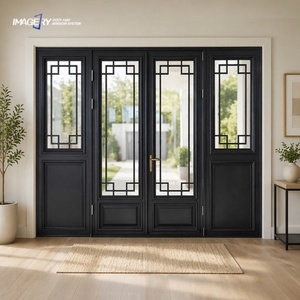
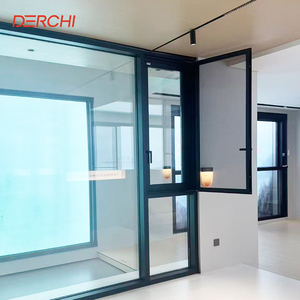
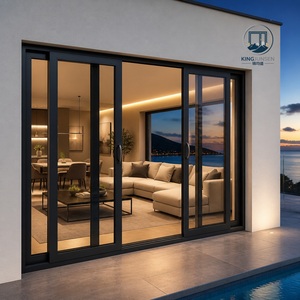
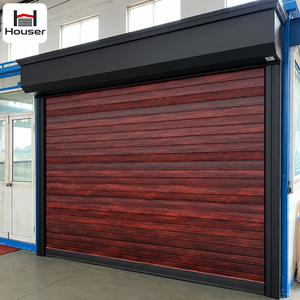
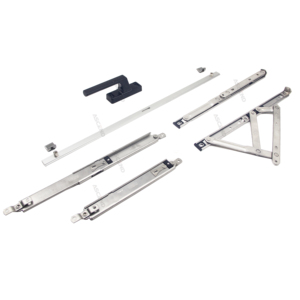
1. Strategic Importance of Aluminium Clad Windows in Modern Architecture
Bridging natural interior timber aesthetics with weatherproof exterior metallurgical durability.
In high-end architectural fenestration, the specification of aluminium clad windows has transitioned from a niche luxury preference to an essential standard for high-performance building envelopes. By engineered fusion, these systems apply an exterior extruded aluminum shell—typically utilizing high-grade 6063-T5 or T6 alloy—onto a structural timber core (such as engineered Larch, Pine, Oak, or Meranti). This hybrid composite architecture isolates interior timber from atmospheric moisture, UV radiation, and thermal cycling, while allowing exterior faces to achieve maintenance-free durability spanning decades.
From a building physics perspective, modern architecture requires window assemblies to provide ultra-low U-factors (frequently below 0.8 to 1.2 W/m²K), structural resistance against hurricane-force wind loads (up to ASTM E330 or AS2047 Level 4500 Pa standards), and air/water infiltration barrier performance. Achieving these criteria without sacrificing human-centric warmth requires precise engineering. Aluminum clad fenestration achieves this balance: the interior wood offers high natural insulation and tactile elegance, while the exterior aluminum cladding functions as a dynamic barrier with advanced powder coating or PVDF (Polyvinylidene Fluoride) surface treatments.
2. Technical Matrix: Evaluating Top 10 Aluminium Clad Window Factories
How institutional procurement officers and structural engineers evaluate export-ready fenestration manufacturers.
Selecting an OEM/ODM partner or direct exporter from top global manufacturing hubs requires a rigorous audit across several technical parameters. Below is the structural evaluation framework used by commercial procurement agencies to audit fenestration facilities in Foshan and internationally:
| Evaluation Metric | Standard Sourcing Level | Top-Tier Factory Benchmark (e.g., BrioWindow) | Impact on Project Risk |
|---|---|---|---|
| Aluminum Profile Thickness | 1.4 mm – 1.6 mm | 1.8 mm – 2.2 mm Heavy Duty | Structural deflection resistance under high wind pressure loads. |
| Thermal Break Strip | Standard PVC / Low PA66 | PA66-GF25 (25% Glass Fiber Reinforced) | Prevents thermal bridging, sweating, and structural deformation. |
| Glass Unit Assembly | Double Tempered Air-Filled | Triple Low-E + Argon Gas + Warm Edge Spacer | Provides acoustic isolation (STC 40+) and high SHGC control. |
| Corner Joint Technique | Manual Screws & Glue | Automatic CNC Injection Corner Crimping | Guarantees 100% water tightness and frame squareness. |
| Surface Finish Standard | Basic Powder Coating | Fluorocarbon PVDF / AkzoNobel Powder | Resists salt-spray corrosion, UV chalking, and color degradation. |
| Export Certification | Domestic ISO Only | AS2047, NFRC, CE, AAMA Certified | Ensures seamless customs clearance and building code sign-off. |
3. Global Sourcing & Procurement Trends (2025–2030)
Key shifts reshaping direct export channels, architectural compliance, and commercial bulk purchasing.
Direct Factory OEM/ODM Sourcing
Global developers and importers are shifting away from regional distributors toward direct engagement with tier-1 export factories in Foshan, China. This disintermediation reduces procurement budgets by 30% to 45% while enabling direct customization of structural extrusions and hardware integrations.
Standardization for Extreme Weather
Climate volatility has elevated hurricane-impact resistance (AS2047, ASTM E1886/E1996) from a coastal specialty to a global requirement. Exporters must provide certified laminated glass and reinforced mullions capable of withstanding flying debris and pressure differentials.
BIM/CAD Digital Workflow Integration
Modern B2B purchasing mandates full digital integration. Top factories now offer 3D Revit models, CAD detail drawings, and real-time structural load calculations directly to international architectural firms before production begins.
4. Technological Innovations & Product Development Trends
Engineering advancements elevating energy efficiency, structural minimalism, and smart automation.
The engineering landscape of aluminium clad fenestration is undergoing rapid iteration driven by strict zero-carbon building targets and modern minimalist aesthetics:
Ultra-Narrow Sightlines & Hidden Sash Systems
Architects increasingly demand maximum daylight opening ratios. Leading manufacturers utilize hidden-sash profiles where the operable frame aligns flush with the outer frame. This creates slim sightlines while maintaining structural integrity.
Multi-Chambered Aerogel Insulation Insert
To meet Passive House requirements, factories are incorporating nanoporous Aerogel and multi-chamber PA66 thermal strips within aluminum extrusions, drastically lowering frame thermal conductivity to historic lows.
Motorized Smart Automation & Smart Glass
Integration of low-voltage hidden motor drives linked to smart home automation, alongside Electrochromic (PDLC) dynamic smart glass, allows automated climate control, rain sensing, and switchable privacy tinting.
Strategic Sourcing Insight for Project Developers
When sourcing aluminium clad fenestration systems from Chinese manufacturers, ensure the factory specifies solid timber prepared through automated micro-finger-jointing and multi-layer kiln drying (moisture content stabilized between 8% and 12%). This process prevents wood warping when installed across variable climate zones in North America, Australia, or Northern Europe.
5. Enterprise Profile & Technical Strengths: BrioWindow Technology Co., Ltd.
A flagship Foshan manufacturer setting benchmarks in export quality, structural safety, and engineering precision.
Headquartered in Nanhai District, Foshan City—the world's most concentrated hub for aluminum profile extrusion and door/window manufacturing—BrioWindow Technology Co., Ltd. has spent over a decade perfecting high-performance residential and commercial fenestration systems. Exporting to over 60 countries, with major market penetration across the United States, Canada, and Australia, BrioWindow combines raw material sourcing advantages with advanced European CNC manufacturing standards.
30-Year After-Sales Quality Assurance
BrioWindow provides a 30-year quality assurance program. Every order undergoes rigorous factory testing—including air permeability, water tightness, and structural wind pressure load verification—aligned with national and international benchmarks.
Comprehensive Hardware & System Integration
BrioWindow partners directly with premium global hardware providers (such as German Hoppe, Siegenia, Roto, and Italian Giesse) along with custom multi-point locking gearboxes to deliver effortless operation and anti-burglary security (RC2/RC3 compliant).
Full-Spectrum Custom Engineering Support
From architectural drawing verification to structural engineering calculations, BrioWindow’s technical office produces customized shop drawings, thermal insulation mockups, and glass strength assessments for every unique project profile.
6. Frequently Asked Questions (FAQ) for B2B Procurement
Technical guidance for architects, general contractors, and fenestration importers sourcing from China.
What is the structural difference between aluminum clad wood and wood clad aluminum?
Aluminum clad wood features a heavy structural timber frame on the interior that bears structural loads, protected by an exterior aluminum shell clip-mounted with thermal isolation fasteners. Wood clad aluminum, conversely, uses a structural aluminum frame on the exterior with thin decorative timber veneers applied to the interior. Aluminum clad wood delivers higher natural thermal insulation and authentic interior millwork aesthetics.
How do Foshan fenestration factories prevent exterior cladding from buckling under thermal expansion?
Aluminum and wood possess significantly different thermal expansion coefficients. Leading Foshan manufacturers like BrioWindow utilize nylon continuous mounting clips rather than rigid screws to connect exterior aluminum profiles to the interior timber frame. This allows the aluminum cladding to expand and contract independently without transferring stress or causing wood warping.
What certifications are required to import aluminum clad windows into North America and Australia?
For North America (USA & Canada), products should comply with NFRC (National Fenestration Rating Council) for thermal performance and AAMA/WDMA/CSA 101/I.S.2/A440 for structural wind/water performance. For Australia, compliance with AS2047 (Windows and doors in buildings) and AS1288 (Glass in buildings) is mandatory, requiring verified NATA-accredited laboratory test reports.
What thermal break configuration is recommended for extreme cold regions?
For sub-zero climates, specified windows should incorporate multi-chamber PA66-GF25 polyamide thermal break strips with minimum widths of 24mm to 34mm, paired with triple-pane insulated glass units (IGUs) containing dual Low-E coatings, warm edge composite spacers (such as Technoform), and 90%+ Argon gas fill.
How are delicate timber interiors protected during international ocean transit?
Export packaging involves a 5-layer protective protocol: 1) Protective clear film over profiles; 2) Corner guard edge protection; 3) EPE foam wrapping; 4) Fully enclosed fumigated plywood crates; 5) Desiccant packs inside sealed plastic wrapping to prevent moisture condensation during sea voyages.
Can factory windows be tailored to match regional architectural hardware preferences?
Yes. Production lines utilize standardized European-groove (C-groove) profile extrusion dies, allowing direct integration of international hardware solutions such as Siegenia, Hoppe, Roto, Sobinco, or custom concealed multi-point locking handles.
What surface finish offers the highest corrosion resistance in coastal salt-air environments?
For coastal projects (within 1km of saltwater), Fluorocarbon PVDF (Polyvinylidene Fluoride) 3-coat paint finishes or specialized Seaside-grade powder coatings adhering to Qualicoat Class 2 standards are specified to resist salt-spray corrosion and chalking.
What lead times should be factored into commercial project procurement schedules?
Standard export production schedules run between 25 to 35 calendar days following final CAD shop drawing sign-off and color sample approval. Ocean freight shipping times range from 14 to 35 days depending on destination port logistics (e.g., US West Coast vs. Europe/Australia).
How do direct factory prices compare between Foshan OEMs and local European/US fabricators?
Factory-direct procurement from tier-1 Foshan manufacturers typically offers a 35% to 50% cost reduction compared to European or domestic US fabricators for equivalent structural extrusion weights, hardware configurations, and certified glass units.
What documentation is necessary to initiate a project quota request with BrioWindow?
To receive an accurate engineering proposal and quotation, provide an elevation drawing or window schedule specifying opening dimensions, operational types (casement, sliding, tilt-turn, fixed), glass performance specs (double/triple, tinted, Low-E), frame color preferences, and destination port location.
Transform Your Project with Foshan's Premier Window Exporter
Connect with BrioWindow's senior engineering team to receive customized shop drawings, thermal calculations, and competitive factory-direct quotation packages for your development.
Send an Inquiry