Featured OEM/ODM Lower Window & Structural Glazing Systems
Factory-direct thermal break aluminum, aluminum-clad wood, and high-performance glazed fenestration systems manufactured in Foshan, China for commercial, luxury villa, and residential procurement.
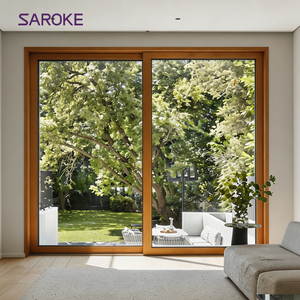
Luxury Design Energy Efficient Tempered Glass Aluminum Clad Wooden Sliding Patio Doors For Villa
Contact Us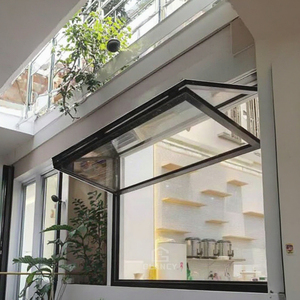
Aluminum Folding Windows With Double Glazing Vertical Opening For Villas Hotels Houses Balconies Patio
Contact Us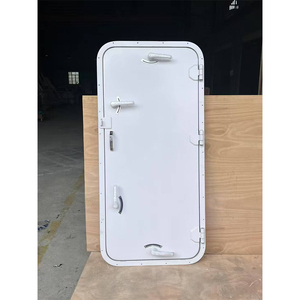
Ship Handwheel Watertight Bulkhead Door, Solid Aluminum Marine Watertight Access Door
Contact Us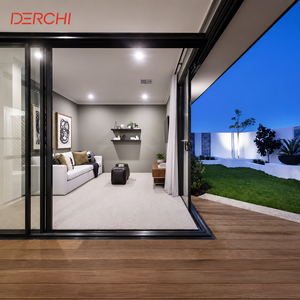
DERCHI Supplier Interior Patio Double Glazed Slim Aluminium Frame Door Exterior Balcony Lift Sliding Glass Doors System
Contact Us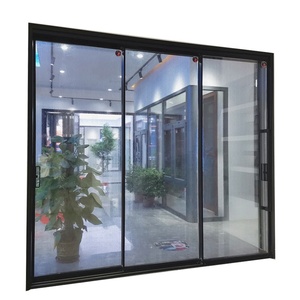
Best Price Modern Slide Glass Doors Frameless Aluminum Interior Noiseless Sliding Door
Contact Us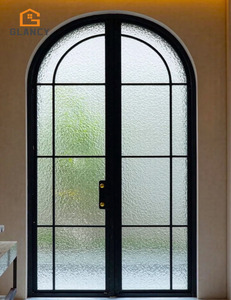
Black Aluminum Interior French Arch Door Aluminum French Glass Doors Black Aluminum Glass Interior French Door For Living Room
Contact Us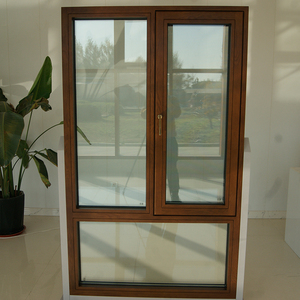
Customized Large Aluminum Fixed Glass Windows Aluminum-Clad Wooden Windows
Contact Us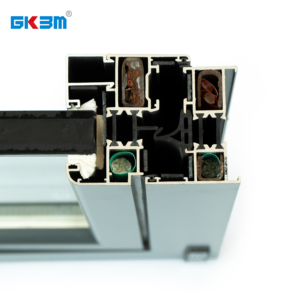
China GKBM Anthracite Grey Double-glazing Thermal Break Aluminum Casement Window
Contact UsExecutive Summary: Engineering Principles of OEM/ODM Lower Aluminum Windows
In modern architectural engineering, lower window assemblies—encompassing ground-floor floor-to-ceiling perimeter glazing, basement egress hoppers, sunken courtyard transoms, and submerged structural window walls—represent the most hydro-dynamically and structurally vulnerable envelope segments of any commercial or residential building. Unlike upper-story fenestration, lower aluminum windows are subject to severe hydrostatic pressure during extreme rain events, soil-adjacent splashback corrosion, foundation displacement forces, and stringent building safety codes (such as forced-entry resistance and emergency egress regulations).
As a leading OEM/ODM Aluminum Lower Window Manufacturer & Supplier based in Foshan, Guangdong—the world’s premier center for structural aluminum extrusion—BrioWindow Technology Co., Ltd. integrates advanced metal alloy material science, multi-chamber thermal breaks, precision CNC processing, and sealed double/triple glazing technologies to supply tailor-made OEM/ODM fenestration solutions across the United States, Canada, Australia, and over 60 global markets.
This technical whitepaper outlines the essential engineering criteria, custom extrusion options, structural performance metrics, and global sourcing strategies required by architectural specifiers, general contractors, real estate developers, and wholesale buyers looking to source custom lower aluminum window systems directly from China.
Structural & Material Anatomy of Custom Lower Window Extrusions
Lower window installations demand structural rigidity that exceeds standard residential profile standards. Below is an engineering overview of how OEM/ODM customization transforms extruded aluminum alloys into resilient, watertight, thermal-break lower fenestration modules:
High-Tensile Aluminum Alloys (6063-T5 / T6)
Utilizing primary-grade 6063-T5 and 6063-T6 aluminum profiles with wall thicknesses ranging from 1.4mm to 3.0mm. Profiles undergo heat treatment to achieve maximum yield strength and torsional resistance against soil pressure and lateral wind loads.
Polyamide (PA66-GF25) Thermal Barriers
To eliminate thermal bridging at ground level where temperature differentials between sub-grade exterior air/soil and climate-controlled interiors are acute, our profiles incorporate 24mm to 34mm PA66 nylon reinforced with 25% fiberglass.
Triple-Sealed EPDM Hydrostatic Gaskets
Lower window frames feature continuous vulcanized EPDM gaskets configured in a dynamic multi-stage compression sealing mechanism. This prevents water ingress even during localized pooling or driving torrential rains.
Performance Specifications & Testing Benchmarks
Architectural specifiers must match window capabilities to regional building codes (such as AAMA/WDMA/CSA 101/I.S.2/A440 in North America or AS2047 in Australia). Below is a matrix showing standard vs. OEM custom lower window performance parameters:
| Performance Metric | Standard Aluminum Window | BrioWindow OEM/ODM Lower Window | Compliance Standard |
|---|---|---|---|
| Air Infiltration Sealing | 0.30 cfm/ft² | ≤ 0.06 cfm/ft² (0.1m³/(m·h)) | ASTM E283 / EN 12207 Class 4 |
| Water Penetration Resistance | 300 Pa (6.27 psf) | 750 Pa – 1050 Pa (15.6 psf – 21.9 psf) | ASTM E547 / EN 12208 Class 9A |
| Structural Wind Load (DP) | DP 35 - DP 50 | DP 70 - DP 100+ (Extreme Load) | ASTM E330 / AS 4055 N6 Rating |
| Acoustic Insulation (STC/OITC) | STC 28 - STC 32 | STC 42 - STC 48 (Triple Laminate) | ASTM E90 / ISO 10140-2 |
| Thermal Transmittance (U-Value) | U ≥ 2.2 W/m²K | U ≤ 0.8 - 1.2 W/m²K (Passivhaus Level) | NFRC 100 / EN ISO 10077-2 |
| Forced Entry Resistance | Basic Latch Mechanism | Multi-point RC2 / RC3 Anti-Burglary Locks | EN 1627 / ASTM F588 Grade 40 |
Complete OEM/ODM Customization Capabilities for Lower Windows
As a specialized manufacturer, BrioWindow offers an end-to-end original equipment and design manufacturing service. Overseas buyers can customize every structural element of their window order:
1. Extrusion Profile Die Fabrication
Whether your project requires ultra-slim 20mm sightlines, integrated sub-frame mounting flanges, heavy-duty structural mullions, or specialized masonry flanges for brick-veneer installations, our tooling factory can fabricate custom aluminum extrusion dies within 12 to 18 days based on CAD/BIM drawings.
2. Advanced Surface Finishes & Coating Treatments
Ground-level windows are exposed to soil moisture, chemical runoff, and UV reflections. We offer high-durability surface finishes guaranteed up to 30 years:
- PVDF Fluorocarbon Coating: PPG/AkzoNobel 3-coat system for coastal salt-spray resistance.
- Architectural Powder Coating: Qualicoat Class 2 & 3 certified matte, satin, or textured colors.
- Anodizing Finish: Class 15 & Class 25 electrolytic anodizing in natural silver, bronze, or dark champagne.
- Wood Grain Sublimation: Italian heat-transfer wood finish combined with aluminum alloy strength.
3. Specialized Glass Configurations
We supply dynamic glass setups tailored for lower wall safety, acoustic insulation, and energy retention:
- Fully Tempered Tough Glass (BS6206 / SGCC / CE Certified).
- Laminated Security Glazing (PVB / SGP Interlayers) for hurricane zones & anti-intrusion.
- Double/Triple Insulated Units filled with 90%+ Argon gas and Low-E soft coatings.
- Switchable Smart Privacy Glass (PDLC) for ground-floor bathroom & bedroom applications.
4. Hardware & Smart Automation Integration
Lower windows often require specialized operation. We integrate hardware from world-class European manufacturers (Roto Frank, Siegenia, GU, HOPPE) as well as proprietary heavy-duty stainless steel (SUS304/316) hardware. Options include hidden hinges, concealed tilt-turn gears, anti-pinch electric chain actuators, and smart home automation interfaces.
Future Global Procurement Trends in Aluminum Window Systems
Navigating the fenestration sourcing landscape requires anticipating architectural evolution, energy regulations, and supply chain shifts. Key industry trends driving lower window procurement include:
1. Decarbonization & Low-Carbon Recycled Aluminum
Global architectural standards (LEED, BREEAM, Green Star) increasingly mandate low-embodied-carbon building materials. OEM buyers are opting for profiles extruded using hydro-powered smelting process and recycled aluminum content (>75%), reducing product carbon footprint by up to 60%.
2. Ultra-Minimalist Sightline Engineering
Modern architectural language favors floor-to-ceiling glass integration where frame sightlines are virtually buried into wall jambs and floor sills. Manufacturers must engineer subterranean concealed drainage channels that allow water to evacuate while keeping outer frame profiles below 20mm visible width.
3. Smart Sensor & Motorized Sub-Grade Ventilation
Basement and lower-level windows are increasingly automated with smart sensors that detect interior VOC levels, moisture spikes, or rain outdoor. Electric chain drives integrated with building automation systems automatically actuate window sashes to optimize natural ventilation without compromising security.
Why Partner with BrioWindow Technology Co., Ltd. (Foshan, China)
Sourcing directly from a factory partner in Foshan provides structural, financial, and operational advantages for international projects. BrioWindow’s core enterprise capabilities include:
10+ Years Sourcing & Global Export Experience
With over a decade dedicated exclusively to door and window export manufacturing, we understand international shipping stresses, sea-freight packaging (wooden crate packaging with moisture-proof vacuum wrapping), and regional building customs clearing requirements in North America, Australia, Europe, and the Middle East.
30-Year After-Sales Quality Assurance
We stand behind structural integrity, extrusion quality, and hardware functionality. Every batch shipped undergoes rigorous factory acceptance testing (FAT), including water tightness testing and cyclic opening tests, backed by our 30-year quality guarantee framework.
Complete Fenestration System Portfolio
Eliminate supplier fragmentation. In addition to lower aluminum windows, BrioWindow manufactures aluminum sliding doors, casement swing windows, bi-folding patio systems, central axis pivot entrance doors, smart motorized roof hatches, curtain walls, sunrooms, and fire-rated doors—all under one unified production system.
End-to-End Engineering Support (Shop Drawings to Site Installation)
Our in-house team of fenestration engineers provides structural calculation reports, thermal simulation reviews, shop drawing generation (AutoCAD, REVIT, SketchUp), and interactive installation guidance for your local installation crews.
Frequently Asked Questions (FAQ) for B2B Window Buyers
Direct responses to critical commercial, engineering, and logistics questions asked by general contractors, developers, and wholesale importers:
What specific types of doors and windows does BrioWindow manufacture?
BrioWindow manufactures a comprehensive lineup of architectural fenestration systems, including thermal break aluminum folding doors, ultra-slim sliding doors, heavy-duty casement swing doors/windows, lower wall basement egress windows, central axis pivot doors, smart motorized fenestration, wood-clad aluminum systems, PVC/uPVC doors and windows, specialized marine access bulkhead doors, sunrooms, and commercial aluminum glass curtain wall facades.
Which global geographic markets does BrioWindow export to?
Our primary export destinations include the United States, Canada, and Australia. However, our products are engineered to comply with regional building standards and are actively sold in over 60 countries across Europe, South America, Oceania, Southeast Asia, and the Middle East.
Can you produce custom lower windows based on project architectural drawings?
Yes, 100% of our production is customized. Our structural engineering team evaluates architectural CAD drawings, BIM models, or rough opening schedules. We analyze wind load requirements, water penetration risks, U-factor goals, and code compliance before manufacturing custom profile dies, glass units, and hardware configurations for each opening.
What key project specifications should I prepare before requesting an OEM quote?
To receive an accurate engineering recommendation and factory-direct quotation within 24 hours, please prepare: (1) Building project location & structural type; (2) Rough opening schedule or architectural drawings; (3) Preferred opening system (sliding, casement, fixed, tilt-turn, hopper); (4) Glass performance target (double/triple pane, Low-E coating, laminated security glass); (5) Frame color/finish code (RAL color or anodized sample); (6) Performance targets (DP load, acoustic STC, U-value); (7) Destination port and target delivery timeline.
What warranty and after-sales support guarantees do you provide for overseas clients?
We provide a 30-year after-sales quality assurance covering aluminum extrusions and structural frame integrity. Additionally, we provide a 10-year warranty on insulated glass seal units and a 5-to-10-year warranty on operating hardware. Overseas partners receive full installation shop drawings, technical video guides, replacement hardware stock, and live video support from our engineering department.
How does BrioWindow ensure water tightness on lower ground-level windows?
Ground-level fenestration incorporates a multi-tiered defense strategy: (1) Sub-frame flashing integration; (2) Pressure-equalized drainage cavities that route water out before it reaches internal seals; (3) Continuous EPDM corner-vulcanized gasket loops; (4) Factory water-immersion quality testing up to 1050 Pa pressure differentials prior to crating.
Ready to OEM/ODM Your Lower Window Project?
Consult with our Foshan engineering team today to review structural drawings, request custom sample profiles, or receive a competitive factory-direct quote for your development project.
