Featured Impact-Resistant Door & Window Series
Engineered for high wind-load compliance, thermal performance, and contemporary architectural aesthetics.
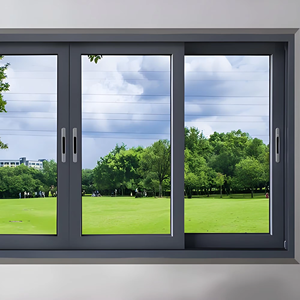
High Quality Aluminium Alloy Design Glass Sliding Doors and Windows
- Ultra-Slim 6063-T6 Profile
- Heavy-Duty Stainless Steel Track
- Sound Reduction: Up to 42 dB
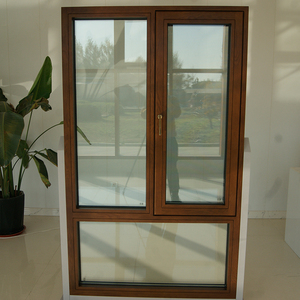
Customized Large Aluminum Fixed Glass & Aluminum-Clad Wooden Windows
- Structural Silicone Glazing
- SGP Laminated Safety Glass
- U-Factor ≤ 0.22 BTU/h·ft²·°F
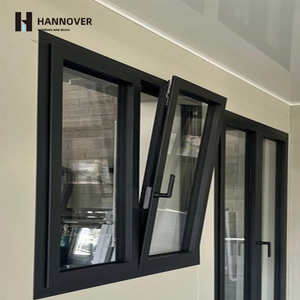
Double Glazed Aluminum Swing Casement Window Thermal Break System
- PA66GF25 Insulation Strip
- Multi-Point European Hardware
- Air Infiltration: Class 4
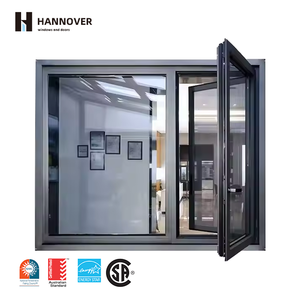
Modern NFRC Aluminum Casement Double/Triple Glazed Tilt & Turn Window
- Dual Opening Mechanism
- Argon-Filled Triple IGU
- Suitable for Commercial/Villa
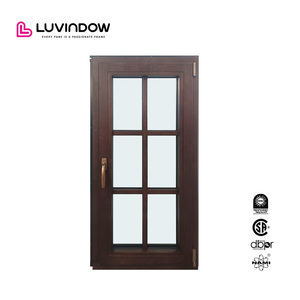
Climate Defense Aluminum-Clad Wood Casement Windows for Hill Estates
- Extruded Aluminum Shield
- Solid Timber Interior Grain
- High Design Pressure (DP70)
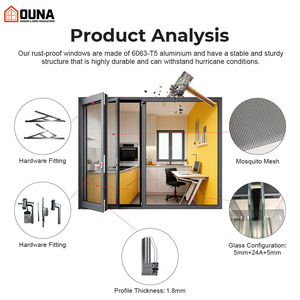
Hurricane Proof High Impact Black Aluminum Thin Profile Windows
- Large Missile Level D Rated
- PVDF Matte Black Finish
- ASTM E1886 / E1996 Compliant
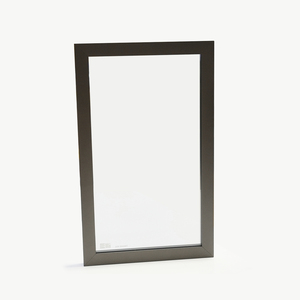
Air Smart 4mm Tempered Glass Handle-Less Aluminum Cabinet & Partition Door
- Concealed Soft-Closing Pivot
- Integrated Flush Pull Handle
- Anodized Surface Anti-Scratch
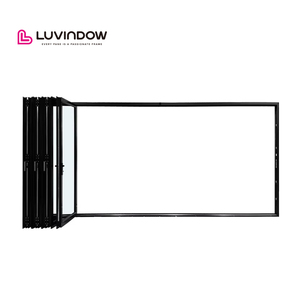
Impact Resistant Thermal Break Aluminum Glass Accordion Folding Doors
- Bottom-Loaded Hinge System
- EPDM Triple Weather Sealing
- Max Opening Width up to 12m
Engineering Architectural Resiliency: OEM/ODM Impact Windows Manufacturing
In contemporary commercial and high-end residential architecture, fenestration is no longer merely a aesthetic exterior envelope—it is an critical structural, thermal, and security barrier. As global climate patterns escalate wind-load velocities and regional building regulations enforce rigorous fenestration energy mandates (such as Florida Building Code HVHZ compliance, NFRC thermal standards, and Australian AS2047 requirements), structural engineers and real estate developers require advanced OEM/ODM aluminum impact windows suppliers who offer engineered precision alongside full custom manufacturing agility.
At BrioWindow Technology Co., Ltd. (headquartered in Foshan, China’s primary aluminum profiles manufacturing hub), we bridge structural integrity with architectural elegance. Operating with over a decade of export manufacturing expertise to 60+ countries including the United States, Canada, and Australia, our fenestration engineering labs develop custom impact-resistant profiles designed to withstand hurricane-force winds up to Category 5 conditions, cyclic pressure loading, and severe thermal fluctuations.
Structural Anotomy of High-Impact Aluminum Fenestration
Understanding the difference between standard aluminum profiles and structural hurricane-impact windows requires analyzing material science, glass interlayer technology, and thermal break engineering:
1. Aluminum Alloy Metallurgy & Profile Wall Thickness
Standard architectural windows frequently utilize commercial 6063-T5 aluminum with minimal wall thickness (1.2mm to 1.4mm). Premium OEM/ODM impact windows engineered by BrioWindow employ high-tensile 6063-T6 or 6061-T6 structural aluminum extrusion with frame wall thicknesses ranging from 1.8mm to 3.0mm. The T6 heat-treatment temper increases ultimate tensile strength, ensuring frame deflection remains well within acceptable structural engineering limits under extreme dynamic wind pressures (+/- 70 PSF to +/- 100 PSF).
2. Interlayer Technology: PVB vs. SGP (SentryGlas®)
The impact resistance of a window is primarily governed by its laminated glass core configuration. When airborne debris strikes the glass during severe weather, the outer glass ply may fracture, but the elastomeric interlayer maintains structural enclosure:
- Polyvinyl Butyral (PVB): Standard for residential impact resistance. Offers high flexibility, sound dampening, and UV blocking. Typically specified in 0.76mm (0.030") or 1.52mm (0.060") thicknesses for standard storm zones.
- SentryGlas® Ionoplast (SGP): Essential for High-Velocity Hurricane Zones (HVHZ) and commercial curtain walls. SGP interlayers are 5 times tougher and up to 100 times stiffer than standard PVB interlayers. Even if both glass plies shatter, SGP maintains structural rigidity, preventing water ingress and building envelope blowout.
3. Thermal Insulation: Polyamide PA66GF25 Thermal Breaks
Aluminum exhibits high thermal conductivity. To prevent heat transfer in scorching climates or heat loss in cold northern regions, BrioWindow integrates 24mm to 34mm multi-cavity PA66GF25 (25% Glass Fiber Reinforced Polyamide) thermal break strips. These thermal barriers split the exterior and interior extruded aluminum frames, reducing thermal bridging and achieving overall window U-Factors as low as 0.18 to 0.24 BTU/h·ft²·°F when paired with Low-E triple glazing.
| Performance Index | Standard Commercial Window | BrioWindow OEM/ODM Impact Window | Engineering Benefit |
|---|---|---|---|
| Profile Alloy & Wall | 6063-T5 / 1.4mm | 6063-T6 / 2.0mm - 3.0mm | Prevents frame warping & structural blowout under dynamic load |
| Impact Resistance Class | Non-Impact / Standard Tempered | ASTM E1886 / E1996 Level D & E | Withstands 9lb 2x4 timber impact at 50 ft/s (Hurricane Proof) |
| Interlayer Specification | None or Single PVB (0.38mm) | 1.52mm PVB or DuPont SGP Interlayer | Maintains structural barrier even after glass fracture |
| Thermal Insulation (U-Factor) | 0.55 - 0.70 BTU/h·ft²·°F | 0.18 - 0.24 BTU/h·ft²·°F | Exceeds Energy Star & NFRC strict environmental standards |
| Acoustic Isolation (STC) | 28 - 32 dB | 38 - 45 dB | Superior noise mitigation for airport & urban high-rise projects |
| Surface Coating Spec | Standard Powder Coating | AkzoNobel / PPG 3-Coat PVDF Coating | 10,000-hour salt spray resistance; anti-corrosion coastal lifespan |
Enterprise Manufacturing Capabilities & Advantages
Delivering full-spectrum fenestration solutions from custom profile extrusion to job-site ready international shipment.
100% Tested & Certified Quality
Every fenestration batch undergoes laboratory pressure testing, water tightness audits, and structural corner weld inspections in compliance with European and North American test methods.
Turnkey OEM/ODM Engineering
From CAD architectural drafting and BIM modeling to custom die extrusion and hardware integration, our internal engineering team customizes profiles tailored to your structural blueprints.
Global Export Footprint (60+ Countries)
Extensive experience navigating complex international import standards (USA Florida Building Code, Australian AS2047/AS1288, Canadian CSA, European CE certification).
Comprehensive Material Portfolio
Single-source supplier for aluminum alloy windows/doors, thermal break casements, minimal sliding systems, central axis pivot doors, smart motorized windows, PVC systems, and curtain walls.
30-Year After-Sales Assurance
We stand behind our manufacturing longevity with a dedicated 30-year limited quality assurance guarantee, backed by structural replacement support and international hardware warranties.
Sea-Freight Export Packaging Protection
Every window unit is fully wrapped in protective scratch-resistant film, padded with corner guards, and sealed inside fumigated IPPC wooden crates to guarantee zero transit damage.
Future Procurement Trends in Architectural Aluminum Windows (2025–2030)
As the global commercial construction industry accelerates toward net-zero emissions, carbon neutral building envelopes, and extreme climate adaptation, B2B buyers—including developers, fenestration distributors, and general contractors—must align their supply chain strategies with shifting technology vectors. Procurement for aluminum impact windows is evolving across four key dimensions:
1. Minimalist Sightlines with Heavy Structural Rating
Modern architectural design demands invisible frame sightlines (ultra-slim interlocks under 20mm) without compromising wind pressure ratings. Next-generation ODM impact windows embed concealed carbon-fiber structural reinforcements inside thin aluminum profiles to maintain large span glass facades under high wind loads.
2. Aerogel Thermal Breaks & Low-E Vacuum Glass
To comply with stringent energy codes, traditional PA66 thermal strips are being combined with micro-porous aerogel insulation infills. Furthermore, Vacuum Insulated Glass (VIG) technology integrated into impact laminated units is reducing frame depth while achieving U-Factors matching solid insulated brick walls.
3. Automated Actuation & Smart Home Ecosystem Integration
Modern commercial and residential procurement heavily favors windows integrated with hidden motorized actuators. Smart impact windows automatically close and lock upon detecting hurricane-force winds via sensor networks, while connecting seamlessly to BACnet or Zigbee building automation systems.
Low-Carbon Recycled Aluminum Billet Adoption
Environmental, Social, and Governance (ESG) mandates are transforming aluminum sourcing. Premium global projects increasingly mandate fenestration profiles manufactured from primary low-carbon aluminum smelted using hydroelectric energy, or profiles containing a minimum of 75% recycled scrap aluminum (post-consumer content). Partnering with an OEM supplier like BrioWindow ensures your supply chain complies with International Green Building Certifications (LEED, BREEAM, and WELL).
Frequently Asked Questions for B2B Buyers & Importers
Comprehensive answers addressing architectural customization, compliance testing, minimum order quantities, and international shipping.
What certifications do BrioWindow aluminum impact windows hold for North America and Australia?
Can BrioWindow manufacture custom profile extrusions according to architectural CAD drawings?
What is the typical Minimum Order Quantity (MOQ) and production lead time for OEM orders?
What glass configurations are recommended for high wind and sound insulation requirements?
How are products protected against coastal salt-spray corrosion?
What after-sales service and technical installation support do you provide to overseas contractors?
Request a Custom OEM/ODM Fenestration Proposal
Submitting your architectural elevation drawings or window schedule? Our structural engineering team will deliver a comprehensive technical analysis, thermal calculations, and competitive factory-direct pricing within 24 hours.
Send an Inquiry