Featured OEM/ODM Architectural & Security Door Systems
Precision-engineered extruded aluminum entryways, structural casement systems, and anti-theft sliding solutions manufactured to international building code standards.
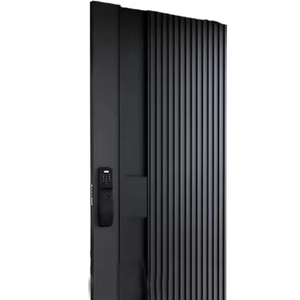
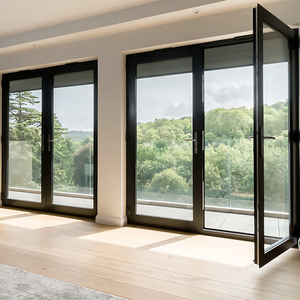
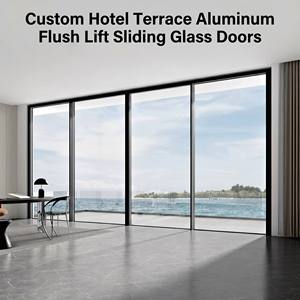
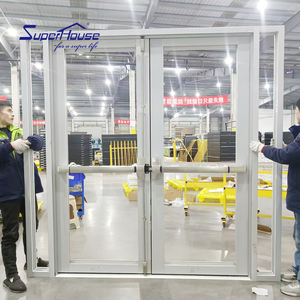
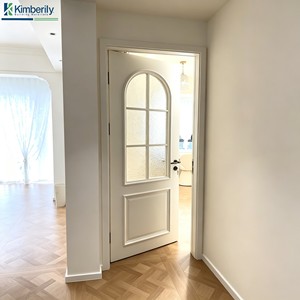
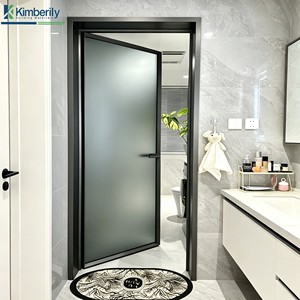
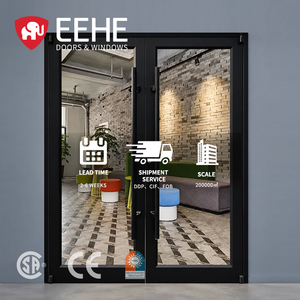
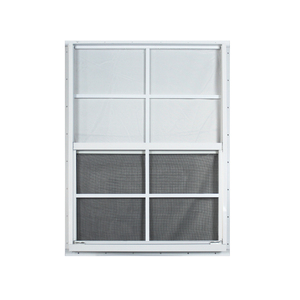
Engineering Structural Security: The Evolution of High-Performance Aluminium Burglar Doors
An authoritative technical guide for architects, fenestration buyers, general contractors, and real estate developers procuring architectural security systems from Foshan, China.
1. Mechanical Physics & Extrusion Metallurgy of Anti-Theft Doors
Modern commercial and high-end residential architecture requires fenestration systems that seamlessly balance spatial transparency, acoustic comfort, thermal break efficiency, and absolute anti-intrusion performance. As a global OEM/ODM manufacturer headquartered in the Nanhai District of Foshan—China’s premier aluminum manufacturing cluster—BrioWindow Technology Co., Ltd. engineers advanced aluminium burglar doors designed to withstand forced entry methodologies including mechanical levering, impact loads, dynamic shock, and precision lock-picking attacks.
The structural foundation of a high-security burglar door lies in the chemical composition and mechanical treatment of its aluminum alloy profiles. Unlike standard decorative interior doors utilizing basic 6063-T5 extrusions with minimal wall thicknesses, industrial-grade security doors utilize heavy-duty 6063-T6 or 6060-T6 architectural grade aluminum extrusions. These profiles feature structural web wall thicknesses ranging from 2.0mm to 3.0mm at primary stress points, delivering a tensile strength exceeding 245 MPa and a yield strength over 200 MPa.
Multi-Point Locking Geometry
Incorporating 5 to 11 motorized or mechanical locking points across the active leaf jamb. Stainless steel mushroom-head locking pins engage deep into reinforced frame keeps, preventing frame spread during crowbar attacks.
Laminated Security Glazing
Glazing suites featuring multi-layer SGP (SentryGlas® Interlayer) tempered glass combinations (e.g., 6mm Low-E + 1.52mm SGP + 6mm Clear), capable of absorbing high-energy blunt force impact without structural collapse.
Anti-Pry Frame Reinforcement
Interlocking frame profiles with concealed continuous hinge channels and anti-lift studs prevent external hinge pin removal, making the door immune to frame-lifting techniques.
2. Structural & Performance Specification Matrix
To assist architectural specifying teams and global procurement directors in matching appropriate burglar-resistant ratings (European Standard EN 1627 / RC2 to RC4 and North American ASTM F842 standards), our engineering department maintains standardized technical benchmarks across our custom OEM/ODM production lines:
| Security Rating | Alloy & Frame Thickness | Glazing System | Locking Hardware Integration | Primary Target Applications |
|---|---|---|---|---|
| EN 1627 RC2 / Standard Security | 6063-T5 / Profile Wall: 1.8mm - 2.0mm | 6mm Double Tempered + 1.14mm PVB | 3-Point German Siegenia/GU Lock System | Residential Villas, Suburban Entries, Office Interiors |
| EN 1627 RC3 / High Intrusion Shield | 6063-T6 / Profile Wall: 2.2mm - 2.5mm | 8mm Tempered + 1.52mm SGP + 8mm Low-E | 5-Point Anti-Pry Lock + Manganese Drill Plate | Boutique Hotels, High-Value Commercial Retail, Exterior Entrances |
| EN 1627 RC4 / Tactical Security Grade | 6060-T6 / Profile Wall: 3.0mm Reinforced | 10mm Tempered + 2.28mm SGP Laminated Security Glass | 7-11 Point Motorized Automatic Biometric Multi-Lock | Luxury Estate Entrances, Banks, Consular Buildings, Server Rooms |
| Hurricane Impact & Anti-Burglar Hybrid | Heavy-Duty Extrusion / Multi-Chambered | 12mm Laminated Insulated Glass (DP70 Rating) | Stainless Steel 304 Continuous Interlocking Hinge | Coastal Luxury Properties, Florida/Caribbean Hurricane & Security Zones |
3. Future Procurement Trends in Commercial Security Fenestration (2025–2030)
The global market for high-security fenestration is undergoing a structural transition driven by shifting architectural mandates, stringent energy conservation building codes, and rapid advancements in building automation. Professional B2B procurement managers and project specifiers must anticipate several key macroeconomic and technological trends:
Convergence of Thermal Efficiency & Security
Historically, burglar doors sacrificed thermal insulation for solid steel strength. Future procurement favors multi-cavity aluminum thermal break profiles incorporating Technoform polyamide PA66GF25 insulation strips. This achieves U-factors below 1.4 W/m²K while providing RC3 structural anti-intrusion strength.
Smart Access Control & Invisible IoT Integration
B2B buyers are moving away from surface-mounted locks toward completely integrated electronic hardware suites. Modern OEM trends require concealed wiring channels within the door leaf for 3D facial recognition, encrypted RFID keypads, fingerprint sensors, and motorized multi-point latches connecting directly to modern Smart Home Automation (BMS) platforms.
Ultra-Narrow Sightlines with Maximum Impact Strength
Architectural demand for minimalist aesthetics has pushed OEM factories to develop ultra-narrow frame profiles (interlocks as thin as 20mm–25mm) that maintain structural deflection limits under extreme wind loads and pry forces through high-modulus structural silicone bonding.
Low-Carbon Recycled Aluminium Sourcing
Environmental product declarations (EPDs) are increasingly mandatory for North American and European tenders. Procurement channels prioritize suppliers utilizing low-carbon hydroelectric aluminum billets, significantly reducing the embedded carbon footprint of completed building envelopes.
4. Why Partner with BrioWindow Technology Co., Ltd. (Foshan Manufacturing Center)
Establishing a dependable international procurement relationship requires evaluating factory credentials, manufacturing transparency, quality control compliance, and after-sales accountability. As a pioneer in Foshan’s aluminum fenestration industry, BrioWindow offers distinct advantages for overseas importers, wholesalers, developers, and project managers:
Foshan Industrial Cluster Hub
Located at Denggang Community, Lishui Town, Nanhai District, Foshan, our plant leverages the world's most complete aluminum supply ecosystem—guaranteeing rapid billet extrusion, precision CNC machining, custom anodizing, and powder coating turnaround times.
Proven Global Track Record
With over 10 years of direct export experience servicing core target markets in the United States, Canada, Australia, and over 60 countries worldwide, our products satisfy rigorous international testing (CE, AS2047, NFRC, ASTM).
30-Year After-Sales Assurance
We stand behind our engineering with a comprehensive 30-year quality warranty on structural aluminum frames, accompanied by complete shop drawing drafting support, installation manual delivery, and long-term hardware support.
5. End-to-End OEM/ODM Production & Quality Control Protocol
To ensure every custom architectural order meets exact engineering tolerances, BrioWindow adheres to a standardized 6-stage production and quality assurance workflow:
CAD & BIM Engineering Review
Our structural engineering team evaluates your architectural drawings, elevation schedules, wind-load targets, and local building code compliance requirements.
Custom Matrix / Die Extrusion
For unique architectural profiles, custom extrusion dies are CNC machined to millimetric precision using high-grade 6063/6060 primary aluminum billets.
Qualicoat Surface Finishes
Profiles undergo electro-chemical pre-treatment followed by AkzoNobel/PVDF powder coating or anodizing, achieving salt-spray corrosion resistance up to 3000 hours.
Automated CNC Assembly
Corner joints are hydraulic crimped with injected dual-component corner cleats and EPDM gaskets to guarantee water tightness and structural rigidity.
Pre-Shipment Factory Testing
Every unit undergoes air permeability, water tightness, structural deflection, and hardware cycle-testing (200,000+ open/close operations) before approval.
Heavy Logistics Crating
Units are film-wrapped, corner-protected, and packed into fully enclosed plywood crates designed for ocean freight transit without transit deformation.
Frequently Asked Questions by Global B2B Buyers
Essential technical and commercial information for importers, builders, and architectural specifiers sourcing aluminum doors from China.
What burglar resistance certifications and test standards do BrioWindow products satisfy?
What customization options (OEM/ODM) are available for architectural door orders?
How does an aluminum burglar door compare to traditional solid steel security doors?
What is the typical lead time for custom OEM tooling dies and bulk export production?
What information should buyers prepare to receive an accurate factory quotation?
Ready to Secure Your Next Architectural Project?
Consult with our Foshan factory engineering team to request CAD shop drawings, technical specifications, custom tooling cost estimates, or factory-direct pricing for your project.
