Featured Custom OEM Aluminium Door & Window Systems
Explore our factory-direct, high-performance architectural openings engineered in Foshan. Designed to comply with NFRC, CE, and Australian AS2047 standards for commercial, luxury villa, and residential projects worldwide.
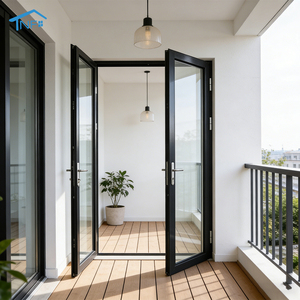
Modern Villa Finished Aluminum Swing Glass Entry Door
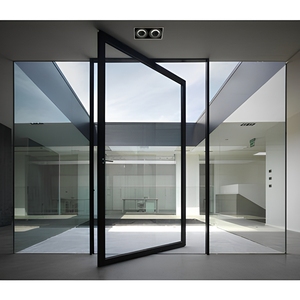
Heavy-Duty Soundproof Aluminum Central-Axis Pivot Door
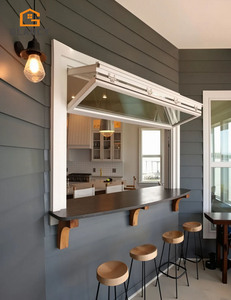
Thermal Break Soundproof Aluminum Bi-Fold Window & Door
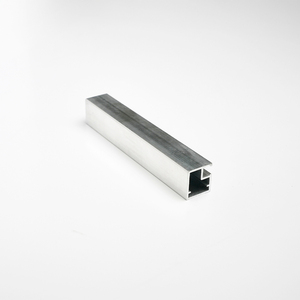
Corrosion-Resistant European Standard Aluminum Casement Door
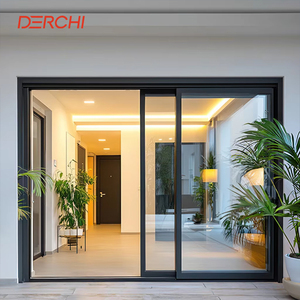
NFRC Standard Patio Large Heavy-Duty Aluminum Sliding Door
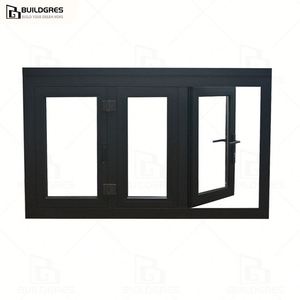
Panoramic Stacking Folding Glazed Aluminum Door System
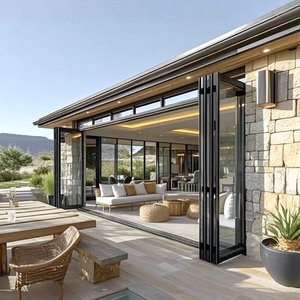
Exterior Thermal Break Folding Patio Door with Integrated Screen
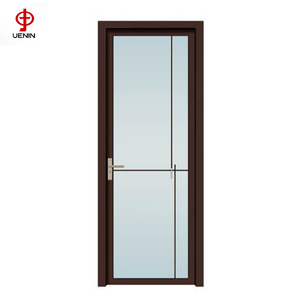
Slimline Modern French Design Aluminum Glass Interior Door
1. Architectural Engineering Overview: OEM Aluminium Doors in Modern Fenestration
In contemporary architectural design, doors and windows have evolved from basic building closures into complex, highly engineered envelope systems. As a leading Custom OEM Aluminium Standard Doors Supplier & Exporter based in Foshan, China—the premier hub for international aluminum extrusion and fenestration technology—BrioWindow Technology Co., Ltd. delivers high-performance structural systems designed to meet demanding thermodynamic, acoustic, and aesthetic specifications.
Selecting the correct OEM aluminum door system requires a deep understanding of alloy metallurgy, structural thermal barriers, seal dynamics, and glazing acoustics. Standard commercial profiles often fail to balance thermal insulation with slim sightlines. Our custom manufacturing framework resolves these technical trade-offs by utilizing high-precision 6063-T5/T6 primary aluminum extrusions integrated with polyamide PA66-GF25 structural thermal breaks. This engineering approach significantly reduces the overall thermal transmittance (U-factor) while maximizing structural load tolerance under high wind pressure conditions.
Whether sourcing standard structural door sizes for large-scale multi-family housing developments or developing custom profile extrusions for luxury villa projects in North America, Australia, or Europe, understanding the precise material science behind OEM production is essential for architectural specifiers and global commercial procurement managers.
Structural Metallurgy
We utilize primary 6063-T5/T6 aluminum alloy extrusions with nominal wall thicknesses ranging from 1.4mm to 3.0mm, ensuring superior yield strength and resistance to deflection under extreme wind loads (up to 5.0 kPa).
Thermodynamic Performance
Equipped with multi-cavity thermal break designs and 24mm to 34mm wide PA66-GF25 fiberglass-reinforced insulation strips, achieving overall system U-values down to 0.85 W/m²K (0.15 BTU/h·ft²·°F).
Acoustic & Weather Sealing
Triple-seal EPDM synthetic rubber gaskets combined with argon-filled, dual-sealed insulated glass units (IGU) deliver acoustic attenuation up to STC 45 / Rw 42 dB.
2. Future Procurement Trends in Global Architectural Aluminium Doors (2025–2035)
The international fenestration market is undergoing a rapid paradigm shift driven by stringent energy conservation codes (such as Passivhaus standards, NFRC energy ratings in North America, and AS2047 operational mandates in Australia). Procurement managers, real estate developers, and hardware importers can no longer rely on traditional single-cavity aluminum doors. Below are the key technological and sourcing trends transforming the B2B supply chain:
A. Ultra-Narrow Sightlines with Heavy-Duty Structural Capacity
Modern architectural trends heavily favor minimal frame visibility ("invisible framing") to maximize natural daylighting and unobstructed panoramic views. However, reduction in frame width must not compromise structural integrity. OEM suppliers are adopting ultra-high-density aluminum alloys and structural glass bonding (using structural silicone sealants) to create sliding and pivot doors with interlock widths as narrow as 16mm, capable of supporting individual glass panel weights exceeding 450 kg.
B. Decarbonization & Low-Carbon Aluminum Sourcing
With green building certification programs like LEED, BREEAM, and WELL becoming mandatory for commercial tenders worldwide, environmental product declarations (EPDs) are now standard procurement requirements. Advanced OEM manufacturing involves using hydro-powered low-carbon aluminum billets and recycled post-consumer aluminum extrusions, significantly lowering embodied carbon without compromising mechanical performance.
C. Smart Automation & Building Management System (BMS) Integration
The integration of smart motorized drives, magnetic levitation sliding operators, automated sensor locks, and electrochromic (smart switchable) glass is transforming standard doors into interactive building components. Modern OEM custom door lines are pre-wired with concealed conduits to allow seamless plug-and-play installation with smart home protocols and central BMS networks.
3. Technical Specification Matrix: System Classification & Performance Metrics
The matrix below outlines the baseline engineering parameters across our custom OEM standard aluminum door series. Sourcing engineers can cross-reference project requirements against certified laboratory test data:
| Door System Series | Profile Wall Thickness | Thermal Barrier (PA66) | Max Glass Configuration | Wind Pressure (kPa) | Acoustic Rating (STC) |
|---|---|---|---|---|---|
| Heavy-Duty Pivot Entry Door | 2.5mm - 3.0mm | 34mm Multi-Cavity | 8mm + 12Ar + 8mm Low-E | 4.5 - 5.0 kPa | STC 42 dB |
| Narrow-Frame Sliding Door | 1.8mm - 2.2mm | 24mm Standard Strip | 6mm + 12Ar + 6mm Tempered | 3.5 - 4.0 kPa | STC 38 dB |
| Thermal Break Bi-Fold Door | 2.0mm - 2.5mm | 28mm High-Density | 5mm + 14Ar + 5mm Low-E | 3.8 - 4.2 kPa | STC 40 dB |
| European Casement Swing Door | 1.6mm - 2.0mm | 24mm Multi-Cavity | 6mm + 16Ar + 6mm Acoustic | 4.0 - 4.8 kPa | STC 44 dB |
| Motorized Smart Sliding System | 2.2mm - 3.0mm | 30mm Insulated Cavity | 8mm + 16Ar + 8mm Smart Glass | 4.2 - 4.5 kPa | STC 41 dB |
*Note: All systems are fully customizable regarding glass coatings (Low-E, Reflective, Tinted, Bullet-resistant), frame powder coating standard colors (RAL palette, PVDF, Anodized, Wood Grain transfer), and hardware hardware brands (Siegenia, Hoppe, Roto, or custom OEM branding).
4. Frequently Asked Questions (FAQ) for International B2B Buyers & Importers
To facilitate smooth global trade and project coordination, we have compiled comprehensive answers to common engineering, commercial, and logistical inquiries from international procurement professionals.
Why Partner with BrioWindow Technology Co., Ltd.?
Headquartered in Nanhai District, Foshan City, Guangdong Province, China—BrioWindow Technology Co., Ltd. stands as a trusted manufacturing partner for architectural importers, general contractors, and door distributors across North America, Australia, Europe, and over 60 countries worldwide.
- Direct Foshan Factory Manufacturing & Global Export Experience
- 30-Year Comprehensive After-Sales Quality Assurance Guarantee
- Full OEM/ODM Technical Drawing & Custom Extrusion Support
- Certified Testing for Wind Pressure, Water Tightness & Energy Efficiency
- Complete Multi-Category Product Line (Aluminum, PVC, Wooden, Fire Doors, Sunrooms)
- Rigorous In-House QC Inspection Before Freight Loading & Dispatch
Ready to elevate your fenestration project with custom OEM aluminium doors engineered to exact specifications?
Contact Us