OEM Product Catalog
Featured OEM Aluminium & Wood Window Systems
Factory-direct structural fenestration solutions tested to AAMA/WDMA/CSA, AS2047, and EN 14351-1 global standards.
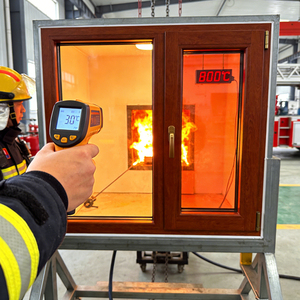
High-Security Fireproof Aluminum Wood Folding Horizontal Windows Low-E Glass Stainless Steel Screen For Exterior Apartment
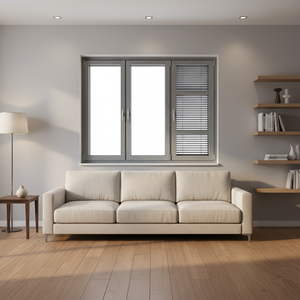
Aluminum Clad Wood Casement Tilt and Turn Louver Windows Stainless Steel Folding Hurricane Impact Double Tempered Heatproof
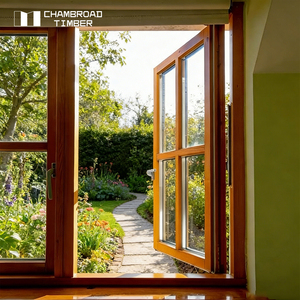
Custom Made Solid Modern Wood Casement Window Premium Wood Frame windows For Villa House and Luxury Projects
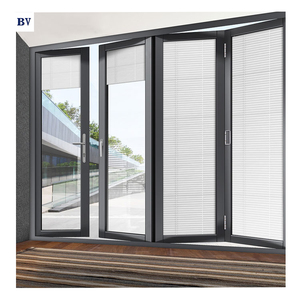
Fashion Custom Design Italian Frameless Glass Doors Modern Aluminum Folding Partition Door
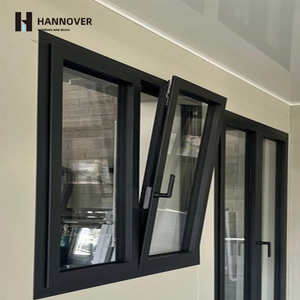
Double Glazed Aluminum Alloy Swing Casement Window Thermal Break System For Energy Efficient Villa Homes
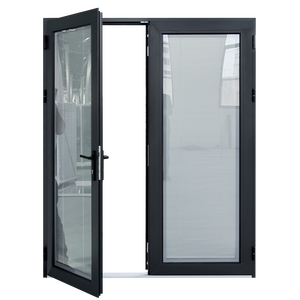
USA Certified Energy-Saving Aluminum Casement Door with Blinds Inside Grill Design Double Pane Aluminum Door
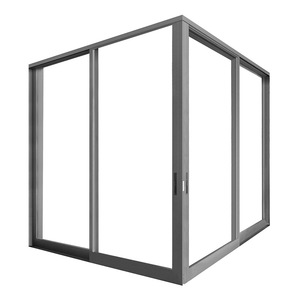
AS2047 Australian Customized Aluminium Pocket Glass Sliding Door Concealed Pocket Door Trackless Sliding Hidden Sliding Door
Industry Whitepaper & Technical Analysis
Architectural Engineering of Custom Aluminium-Wood Hybrid Window Systems
An authoritative technical guide for architects, façade engineers, and B2B procurement heads evaluating OEM manufacturing options.
Modern commercial and high-end residential architecture demands a delicate equilibrium between atmospheric interior aesthetics and rugged, weather-resistant exterior envelopes. Custom aluminum-clad wood windows represent the pinnacle of fenestration engineering—merging the structural integrity, low maintenance, and high resistance of extruded 6063-T6 aluminum alloys with the natural thermal insulation and organic warmth of interior timber.
0.78
U-Factor (W/m²K) Passive House Standard
45 dB
Acoustic Sound Reduction Rating
3000 Pa
Design Wind Pressure Load Resistance
30+
Years Structural Warranty Coverage
Structural Composite Mechanics: Aluminum Exterior vs. Timber Core
In traditional window construction, single-material frames inevitably compromise between aesthetics and thermal endurance. Unclad wooden windows succumb to exterior weathering, requiring frequent repainting, sealant re-application, and risk moisture expansion leading to frame binding. Conversely, standard un-broken aluminum frames exhibit high thermal conductivity, creating thermal bridges that result in interior condensation and excessive HVAC energy consumption.
As a premier OEM manufacturer based in Foshan, China, BrioWindow Technology Co., Ltd. resolves these structural vulnerabilities through advanced multi-chamber thermal break engineering. The exterior frame utilizes heavy-gauge aluminum extrusions (wall thickness 1.8mm to 2.5mm) treated with PVDF fluorocarbon spraying or anodic oxidation. This shell is connected to the solid interior wood profile (such as imported European White Oak, Red Oak, Teak, or Larch) using high-strength, floating nylon clip connectors.
Critical Engineering Note: Floating Clip Technology
Aluminum and wood exhibit radically different coefficients of thermal expansion ($\alpha_{Al} \approx 23 \times 10^{-6} / K$ vs $\alpha_{Wood} \approx 4 \times 10^{-6} / K$). Direct mechanical fastening leads to structural warping and joint failure. BrioWindow utilizes independent composite clips that permit micro-sliding movements, dissipating thermal stresses while preserving weather-tight gasket compression.
Material Performance & Glazing Specification Matrix
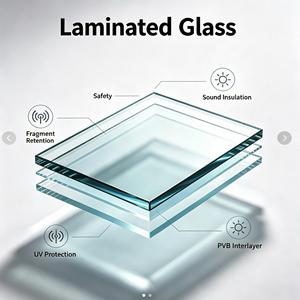
Energy efficiency compliance across North America (NFRC 100/200), Australia (AS2047/AS1288), and Europe (CE Mark) requires tailored glass assembly configurations. OEM manufacturing flexibility allows BrioWindow to supply custom Insulated Glass Units (IGUs) incorporating Low-Emissivity (Low-E) coatings, Argon/Krypton gas filling, warm-edge silicone spacers, and laminated hurricane-impact safety glass.
| System Type | Structural Frame Build | Thermal Transmittance (U-Value) | Acoustic Insulation (STC) | Max Glass Thickness | Primary Market Target |
|---|---|---|---|---|---|
| Aluminum-Clad Wood Casement | Solid Oak Interior + 2.0mm Extruded Aluminum Shell | 0.9 - 1.3 W/m²K | 42 - 45 dB | 42mm Triple Pane IGU | Luxury Villas, Resorts, Cold Climates (USA / Canada) |
| Wood Grain Thermal Break Swing Window | PA66GF25 Insulated Aluminum + 3D Grain Finish | 1.2 - 1.6 W/m²K | 38 - 42 dB | 32mm Double Low-E Pane | High-Rise Residential, Commercial Apartments |
| Hurricane Impact Wood-Aluminium Tilt & Turn | Reinforced Steel Core + Laminated PVB Glass + Wood Inner | 1.1 - 1.4 W/m²K | 40 - 44 dB | 38mm Laminated Double IGU | Coastal Zones, Hurricane Regions (Florida / Caribbean) |
| AS2047 Pocket Glass Sliding & Bi-Fold | Sub-head & Sill Concealed Tracks + Ultra-Slim Interlocks | 1.4 - 1.8 W/m²K | 35 - 40 dB | 28mm Double Pane | Architectural Patios, Modern Mansions (Australia / NZ) |
R&D & Future Outlook
Future Procurement Trends & Product Evolution (2025–2035)
Key technological trajectories redefining global demand for custom aluminum and wood architectural windows.
Net-Zero & Passivhaus Thermal Standard
Global building codes are mandating extreme energy efficiency. Future procurement shifts heavily toward triple-glazed, krypton-filled hybrid systems with thermal bridge breaks exceeding 34mm PA66GF25 polyamide width.
Smart Motorization & Building Automation
Integration of concealed linear actuators, motorized micro-ventilation, electrochromic dynamic tinting glass, and Smart Home protocol integration (Zigbee/Matter) directly into window sash profiles.
Ultra-Narrow Sightlines & Concealed Hardware
Modern minimalist architecture prioritizes invisible frames. Next-generation OEM designs embed hinges into the frame rebate, reduce sash profile widths to under 45mm, and feature flush threshold transitions.
Sustainable Timber Sourcing & Eco Coatings
FSC-certified timber sourcing coupled with water-borne organic timber lacquers (German Remmers or Adler finishes) ensures low VOC off-gassing, high UV resistance, and zero toxic chemical degradation over decades.
Extreme Weather & Impact Resilience
With severe weather events escalating globally, high-end developments require ASTM E1886/E1996 hurricane missile impact protection, corrosion-resistant anodization for marine environments, and multi-point Roto hardware locking.
Digital BIM & Modular Customization
Architectural buyers demand rapid BIM (Revit/Autodesk) integration and custom OEM extrusion engineering, allowing customized mullions, integrated insect screens, and flexible structural depth configurations.
B2B Procurement & Technical FAQ
Frequently Asked Questions by Importers & Contractors
Detailed technical answers to help architects, commercial buyers, and importers evaluate OEM capabilities.
What structural advantages do aluminum-clad wood windows hold over standard aluminum or pure wood windows?
Aluminum-clad wood windows deliver a hybrid engineering solution that eliminates the distinct weaknesses of single-material profiles. Solid timber interior frames offer natural thermal non-conductivity (reducing heat transfer), superior acoustic dampening, and high aesthetic elegance suited for luxury interiors. Meanwhile, the exterior 6063-T6 extruded aluminum cladding protects the timber core against weathering, solar UV degradation, rain, and pest infestation. By separating structural weather shielding from internal structural timber via specialized floating clip connectors, the window maintains structural integrity and eliminates frame warping over decades of use.
How does BrioWindow handle wood moisture content calibration for overseas destinations with varying climates?
Wood dimensional stability depends strictly on moisture equilibrium. Before precision CNC milling, all imported timber (such as White Oak, Larch, or Teak) undergoes computer-controlled vacuum kiln drying to calibrate moisture content strictly between 8% and 12%. For extreme dry desert climates (e.g., Arizona, Middle East) or high-humidity tropical coastal zones (e.g., Florida, Northern Australia), our engineers adjust moisture target levels accordingly and apply multi-layer German water-borne primer and topcoat seals to prevent hygroscopic expansion or shrinkage during transport and installation.
What international window testing standards and building codes do your OEM products comply with?
BrioWindow products are engineered to conform with rigorous international standards:
- North America: AAMA/WDMA/CSA 101/I.S.2/A440 standards for structural load, water penetration, and air leakage; NFRC ratings for U-factor and SHGC.
- Australia: AS2047 (Windows and External Glazed Doors in Buildings) and AS1288 (Glass in Buildings), verified through certified laboratory testing for wind deflection (N1 to N6 ratings).
- Europe: CE marking compliance according to EN 14351-1, including acoustic STC ratings up to 45 dB and Passivhaus U-value thresholds.
Can BrioWindow fabricate custom window profiles based on architectural shop drawings and CAD/BIM files?
Yes. Custom OEM/ODM manufacturing is our core specialty. Our in-house engineering team works directly with DWG, DXF, RVT (Revit), and PDF shop drawings provided by architects or contractors. We evaluate wind load requirements, wall opening details, sill pan flashing protocols, and hardware loads, providing detailed shop drawing submittals and profile cross-section approvals before mass production begins. Custom aluminum extrusion dies can also be created for proprietary project designs.
What hardware brands and multi-point locking systems are integrated into your window sashes?
To guarantee smooth operation, air tightness, and forced-entry security, we equip our windows with premium European hardware systems, including German Roto Frank, Siegenia-Aubi, Hoppe, and G-U (Gretsch-Unitas). For specialized projects, we also integrate top-grade custom stainless steel 304/316 concealed hinges, heavy-duty tandem rollers for large sliding panels, and multi-point perimeter locking cams that compress EPDM rubber weatherstripping uniformly.
How are fragile wood and glass windows packaged to ensure zero breakage during long-distance ocean shipping?
All exported window units undergo a 5-layer protective packaging protocol:
- Protective clear film applied over aluminum profiles and timber surfaces to prevent scratches.
- Corner rubber protectors on all four sash corners.
- EPE foam wrapping surrounding the entire frame assembly.
- Heavy-duty corrugated cardboard boxing.
- Fumigated solid plywood crates or steel A-frame racks loaded directly into sea containers, preventing movement during ocean transport.
What is the typical lead time from drawing confirmation to factory shipment?
Standard lead time for custom aluminum-clad wood windows is 25 to 35 calendar days following final shop drawing approval, color sample sign-off, and deposit receipt. For complex projects requiring custom extrusion tooling or specialized high-performance glass (such as electrochromic or triple-laminated impact glass), lead time is typically 35 to 45 days. Expedited production scheduling is available for urgent commercial project tenders.
What after-sales technical support and warranty policies are provided for international buyers?
BrioWindow provides a comprehensive 30-year warranty on structural aluminum profiles and solid wood frames, a 10-year warranty on double/triple insulated glass seal integrity against desiccant failure or condensation fogging, and a 5-year warranty on operating mechanical hardware. In the rare event of transit damage or component defect, we ship air-freight replacement hardware, glass units, or sash components free of charge alongside video installation technical support.
Start Your Project Engineering
Ready to Request an OEM Quotation or Project Engineering Consultation?
Whether you are an architect finalizing window schedules, an importer building a custom fenestration line, or a general contractor submitting a tender bid—our Foshan engineering team is ready to analyze your blueprints.
