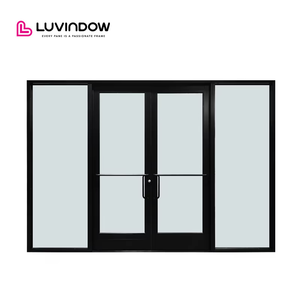
Customizable Aluminum Commercial Door Modern Glass Wall Exterior Storefront
Alloy 6063-T5
Heavy Duty Frame
Multi-Point Lock
Inquire Now
Precision-engineered high-security doors, thermal break windows, and commercial entrance systems manufactured to international standards (AS2047, NFRC, CE, ISO9001).
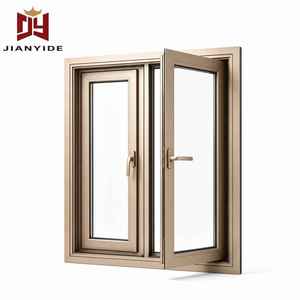
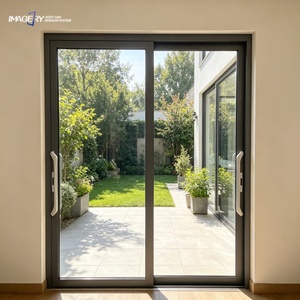
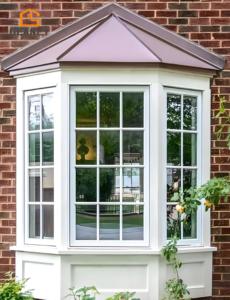
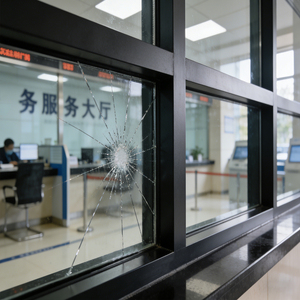
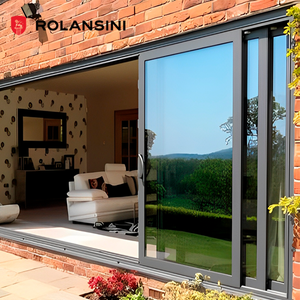
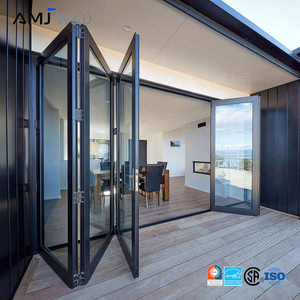
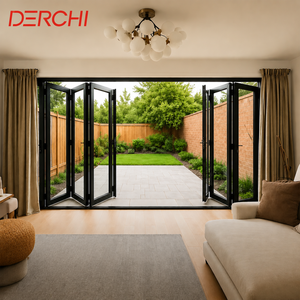
In global architectural project management and B2B fenestration supply chains, selecting reliable wholesale aluminum security doors manufacturers and exporters in China has evolved from a simple cost-reduction strategy into a strategic engineering decision. Foshan, located in Guangdong Province, serves as the global epicenter of structural aluminum profile extrusion, advanced surface finishing, and precision fenestration assembly. Leading manufacturers like BrioWindow Technology Co., Ltd. leverage Foshan’s integrated industrial ecosystem to produce high-performance aluminum security doors that systematically outclass traditional steel or solid timber alternatives in strength-to-weight ratio, atmospheric corrosion resistance, and thermal efficiency.
Modern commercial developments, luxury residential complexes, and public infrastructure demand exterior security doors that fulfill multi-dimensional criteria. Beyond basic physical forced-entry resistance, procurement specifiers require strict compliance with international thermal performance standards (such as NFRC U-factor guidelines), structural wind-load pressure thresholds (AS2047 Ultimate Limit State ratings), and acoustic isolation indices (STC/Rw metrics). Architectural aluminum security doors produced by certified Foshan exporters utilize architectural-grade 6063-T5 or heat-treated 6061-T6 aluminum alloys. These extrusions feature profile wall thicknesses ranging from 1.8mm for standard residential swing openings up to 3.0mm+ for bulletproof, anti-theft commercial storefronts and oversized pivot doors.
Utilizing high-tensile 6063-T5 and 6061-T6 primary aluminum billets. Extrusions are engineered with internal reinforcement ribs to prevent profile twisting, frame distortion, and mechanical pry-bar separation under heavy loads.
Integrated PA66 GF25 (25% fiberglass reinforced polyamide) thermal break strips effectively eliminate metallic thermal bridges, ensuring low U-values compliant with North American Title 24 and European Eurocode requirements.
Qualicoat Class 2 standard powder coatings, fluorocarbon (PVDF) 3-coat spray systems, and anodized finishes guaranteeing 25+ years of resistance against salt-spray corrosion (C4/C5 marine environments) and UV degradation.
To assist developers, architects, and quantity surveyors in making evidence-based specification decisions, the following matrix outlines the physical, mechanical, and operational performance parameters of premium aluminum security door systems compared to legacy steel and timber security doors:
| Performance Parameter | Aluminum Security Doors (BrioWindow) | Standard Hollow Steel Doors | Solid Hardwood Security Doors |
|---|---|---|---|
| Corrosion & Oxidation Resistance | Exceptional (PVDF / Anodized layer immune to rust; suitable for coastal zones) | Poor to Moderate (Prone to edge oxidation, paint peeling, and internal rusting) | Low (Susceptible to moisture absorption, rot, fungal growth, and warping) |
| Structural Strength-to-Weight | High (6063-T5 alloy with internal web bracing delivers superior rigidity without excess weight) | High (Very heavy, requiring reinforced heavy-duty hinges and wall anchoring) | Moderate (Heavy bulk mass, but vulnerable to split-grain failure under impact) |
| Thermal Insulation (U-Factor) | Superior (PA66 GF25 Thermal Break + Double/Triple Low-E Glazing: U ≤ 1.4 W/m²K) | Moderate to Poor (Steel acts as a massive thermal bridge unless fully insulated) | Moderate (Natural timber provides decent insulation but degrades over time) |
| Security & Anti-Intrusion Class | RC2 / RC3 / PAS24 Equivalent (Multi-point gearboxes, SS304 mesh, anti-pry hooks) | RC2 to RC4 (High physical barrier strength, but industrial utilitarian aesthetics) | Basic to RC1 (Vulnerable to force tools around lock strike plates and frame joints) |
| Architectural Versatility & Sightlines | Ultra-Slim Sightlines (Frameless optical integration, bi-fold, pivot, sliding options) | Bulky, rigid rectangular profiles; minimal glass integration possibilities | Classic aesthetic appeal, limited large-span or glass wall integration options |
| Expected Service Life & Maintenance | 30+ Years (Zero structural maintenance; periodic seal and hardware inspection) | 10–15 Years (Requires frequent repainting, rust-proofing, and hinge adjustment) | 8–12 Years (Requires seasonal sealing, re-varnishing, and alignment correction) |
As international building codes tighten around carbon footprint accounting, energy efficiency, and occupant security, global buyers are shifting their procurement strategies. Wholesalers, real estate developers, and commercial contractors who import security doors from Chinese exporters are prioritizing four major procurement shifts:
Procurement teams are requesting Environmental Product Declarations (EPDs) and low-carbon extruded aluminum profiles produced using renewable hydroelectric power or high recycled scrap ratios (up to 75% recycled content aluminum billets).
Traditional mechanical key locks are rapidly being replaced by factory-integrated smart access systems featuring biometric fingerprint sensors, 3D facial recognition, RFID keycards, and encrypted IoT home automation interfaces (Tuya, Zigbee, Matter protocols).
To reduce expensive site labor costs in destination markets (USA, Australia, Canada, Europe), buyers demand fully pre-hung, factory-tested security door assemblies equipped with pre-drilled hardware mortises, pre-installed gaskets, and standardized frame connectors.
Furthermore, supply chain resilience is prompting buyers to work directly with fully integrated manufacturing entities rather than trading intermediaries. Direct factory partnerships with Foshan manufacturers allow for full customization of shop drawings, direct metallurgical testing verification, raw material tracing, and streamlined container loading optimization to prevent transit damage.
The security door industry is undergoing a design revolution where aesthetic minimalism no longer compromises structural fortification. Leading engineering innovations spearheaded by top manufacturers include:
We primarily utilize architectural-grade 6063-T5 aluminum alloy for standard profiles due to its optimal balance of surface finish elegance, corrosion resistance, and structural rigidity. For extreme high-load security doors or bulletproof storefront systems, we utilize 6061-T6 heat-treated aluminum extrusions with reinforced web wall thicknesses up to 3.0mm+ to deliver maximum resistance against yield stress and mechanical distortion.
Our door and window systems undergo rigorous laboratory testing to comply with international codes. For Australia, our products meet AS2047 requirements for air infiltration, water penetration resistance, and structural deflection under ultimate limit state wind pressures. For North America, our thermal break profiles and Low-E double/triple glazing packages are engineered to meet NFRC U-factor and Solar Heat Gain Coefficient (SHGC) targets.
Yes. As a direct OEM/ODM manufacturer, 100% of our production runs are tailored to architectural project schedules. Our engineering department reviews your DWG/BIM drawings or opening schedules, recommending optimal profile depth, glass build-ups, hardware mechanisms (German Siegenia, Hoppe, or custom multi-point locks), and powder coat finish colors (RAL spectrum, anodized finishes, or wood-grain transfers).
We incorporate advanced multi-point gearboxes that drive steel locking bolts, deadbolts, and anti-pry hook locks into top, bottom, and side frame strike plates simultaneously. We offer options for manual key cylinders, European anti-snap cylinders, and smart electronic locks featuring biometric, keypad, Bluetooth, and smart home automation integration.
To prevent scratching, frame distortion, or glass breakage during maritime container transport, all door frames and glazed units undergo multi-layer protection: protective surface film, foam edge corner protectors, bubble wrap wrapping, and fully enclosed IPPC-stamped fumigated wooden crates or steel-framed A-frame transport racks.
Standard production lead time is 25 to 35 calendar days following shop drawing confirmation and deposit receipt. We support both full container load (FCL) shipments for major residential/commercial projects and consolidated LCL orders for custom villa builds. Contact our export sales engineering team to review project-specific MOQ structures.
Partner with a leading China manufacturer of aluminum security doors. Share your project drawings, opening schedules, or engineering specs with our team for an immediate response.
Inquire Now