Featured Exterior Architectural Door & Window Systems
Engineered in Foshan, China for severe hurricane, thermal efficiency, and high-load architectural applications worldwide.
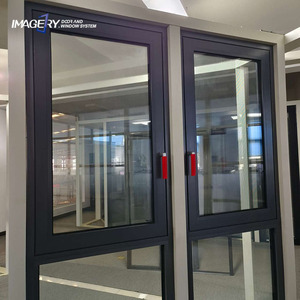
Modern Design Aluminum Tilt&turn House Windows Tempered Triple Glass Burglar Hurricane Proof for Sale
Get Catalog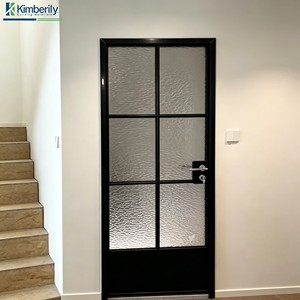
Aluminum Alloy Casement Entry Home Storefront Commercial Double-Glass Swing French Casement Door Office Glass Door
Get Catalog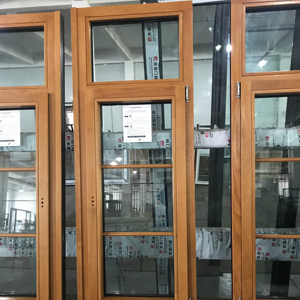
High Quality Energy Saving Swing Casement windows Aluminum-wood Window Composite windows
Get Catalog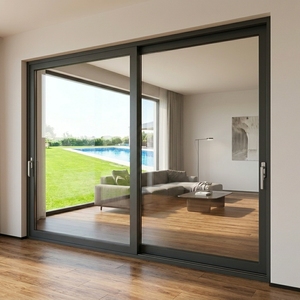
Custom Made Aluminum Sliding Door System with Large Panel Glass for Luxury Villa and Resort Hotel Architecture Design
Get Catalog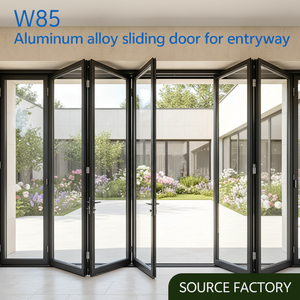
NFRC Aluminium Outdoor Accordion Door, Thermal Break Double Tempered Glass Exterior Bi-fold Sliding Patio Door
Get Catalog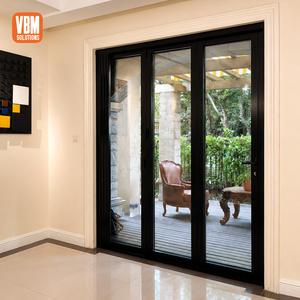
Aluminium Accordion Folding Door with Retractable Flyscreen Double Tempered Glass for Porch and Backyard Access
Get Catalog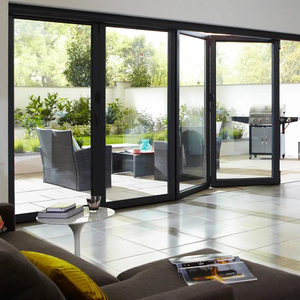
YY Florida Approval Large Heavy Duty Bi Fold Patio Doors Hurricaneproof Aluminium Bi Fold Glass Doors French Doors
Get Catalog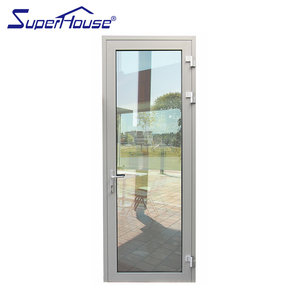
Modern Aluminum Alloy Swing Door Soundproof Waterproof Hinged Door for Bathroom Bedroom Balcony Hinged Door
Get CatalogWhy BrioWindow Is the Trusted Foshan OEM/ODM Partner
Headquartered in Nanhai District, Foshan—China's global capital for aluminum extrusion and fenestration technology.
Proven Laboratory Reliability
Our exterior door systems undergo rigorous laboratory testing matching ASTM E330, NFRC, and European EN standards for structural load, water tightness, and air infiltration resistance.
Comprehensive System Portfolio
From ultra-slim sliding units and heavy-duty bi-fold patio systems to central axis pivot and smart motorized doors, we provide single-source procurement for luxury residential and commercial developments.
Global Export & Compliance
Exporting to over 60 countries including the United States, Canada, and Australia. We engineer structural extrusions tailored to local hurricane zones and structural building codes.
30-Year Warranty Assurance
Supported by premium architectural hardware (Siegenia, Hoppe, GU) and PVDF surface finishes, backed by our 30-year structural warranty for complete project peace of mind.
Custom Engineering & BIM/CAD
In-house architectural engineering team providing custom extrusion design, structural calculation reports, wind-load simulation, and detailed shop drawings prior to extrusion cutting.
High-Efficiency Thermal Break Tech
Incorporating PA66-GF25 polyamide thermal barrier strips and multi-cavity profile structures to minimize U-factors down to passive house compliance (U ≤ 0.8 W/m²K).
Architectural White Paper: Engineering & Sourcing Wholesale Aluminum Outside Doors
As global architectural designs transition toward expansive glazing ratios, seamless indoor-outdoor integration, and stringent energy efficiency benchmarks, the exterior door frame has evolved from a passive building element into a highly engineered structural envelope component. Aluminum alloy extrusions lead this market due to their unprecedented strength-to-weight ratio, structural rigidity, corrosion resistance, and 100% recyclability.
1. Aluminum Profile Metallurgy & Structural Engineering Metrics
When specified by structural engineers and procurement directors, wholesale aluminum outside doors must be evaluated by alloy composition, heat treatment temper, wall thickness, and profile depth. Most commercial and luxury residential exterior door systems utilize 6063-T5 or 6061-T6 architectural grade aluminum alloys.
- Alloy 6063-T5: Offers exceptional surface finish quality, making it the ideal choice for anodized or powder-coated high-end residential exterior doors. Yield strength typically exceeds 110 MPa, providing structural integrity for large panoramic sliding panels.
- Alloy 6061-T6: Formulated with elevated magnesium and silicon concentrations, yielding structural tensile strength over 240 MPa. Specified for heavy-duty commercial storefronts, high-rise wind loads, and hurricane-impact entrance systems.
- Extrusion Wall Thickness: Standard residential doors often compromise at 1.4mm to 1.6mm thickness. Professional B2B exterior door factories employ heavy-duty wall thicknesses ranging from 2.0mm to 3.0mm for main load-bearing frames and sash profiles, preventing structural deflection under wind pressures exceeding 4500 Pascals (Pa).
| System Type | Alloy Grade & Temper | Profile Wall Thickness | Thermal Barrier Material | Wind Pressure Rating (Pa) | U-Factor Target (W/m²K) |
|---|---|---|---|---|---|
| Heavy Sliding Patio Doors | 6063-T5 / T6 | 2.0mm - 3.0mm | PA66-GF25 Polyamide Strip | 3500 Pa - 5000 Pa | 1.2 - 1.6 |
| Exterior Bi-Fold Doors | 6063-T5 | 2.0mm - 2.5mm | PA66-GF25 Polyamide Strip | 3000 Pa - 4500 Pa | 1.4 - 1.8 |
| Hurricane Impact Doors | 6061-T6 / 6063-T6 | 2.5mm - 3.2mm | Reinforced Thermal Break | > 6000 Pa (TAS 201/202/203) | 1.5 - 2.0 |
| Central Axis Pivot Doors | 6063-T5 / T6 | 2.5mm - 3.0mm | Multi-Cavity PA66 Bar | 3500 Pa - 4500 Pa | 1.3 - 1.7 |
| French Swing Casement | 6063-T5 | 1.8mm - 2.2mm | PA66-GF25 Polyamide Strip | 4000 Pa - 5500 Pa | 1.1 - 1.5 |
2. Thermal Break Engineering: PA66-GF25 Polyamide Strips vs. Standard Insulators
Uninsulated aluminum frames exhibit high thermal conductivity (~200 W/m·K). To satisfy modern building energy codes such as ASHRAE 90.1, NFRC standards, and European Energy Performance Certificates (EPC), exterior doors feature thermal break engineering.
The industry gold standard utilizes PA66-GF25 (Polyamide 66 reinforced with 25% glass fiber) thermal barrier strips inserted between inner and outer extruded aluminum profiles. The glass fiber reinforcement matches the linear coefficient of thermal expansion of aluminum, preventing structural delamination during severe ambient temperature fluctuations (-30°C to +80°C). Lower-tier manufacturers often substitute PVC strips, which break down under UV exposure and lead to thermal shear failure.
3. Glazing Technology for Exterior Aluminum Outside Doors
Glass accounts for 75% to 85% of an exterior door's total surface area. Superior thermal insulation and security performance require advanced glazing configurations:
- Double-Glazed Insulated Glass Units (IGU): 6mm Tempered + 12Ar (90% Argon Gas) + 6mm Low-E Glass, achieving Solar Heat Gain Coefficients (SHGC) under 0.25 and U-values below 1.5 W/m²K.
- Triple-Glazed Passive House Configuration: 5mm Tempered + 12Ar + 5mm Tempered + 12Ar + 5mm Double Low-E, suppressing ambient noise transmission by up to 42 dB (STC rating).
- Hurricane Impact Laminated Glass: 6mm Tempered + 1.52mm SentryGlas® (SGP) or PVB Interlayer + 6mm Tempered. Capable of surviving missile impact testing (ASTM E1996) required for Florida Product Approval and coastal cyclonic regions.
4. Surface Treatment & Anodizing Durability Standards
Exterior aluminum doors installed in coastal or industrial environments face high risk of atmospheric corrosion and powder chalking. Quality B2B exporters adhere to strict international finish specifications:
- PVDF / Fluorocarbon Coating (Kynar 500): Complies with AAMA 2605 specifications. Features 70% resin content, enduring over 3,000 hours of continuous salt spray testing without cracking, blistering, or color fading. Ideal for coastal resorts and high-end exterior projects.
- Powder Coating (Qualicoat Class 2): Environmentally friendly VOC-free finishing offering rich textures, matte finishes, and wood grain thermal transfer prints with superior scratch resistance.
- Anodizing (Class 1 / 25 Microns): Electrochemically grows an oxide layer directly on the aluminum surface, yielding exceptional metallic aesthetic sheen and UV immunity.
Future Procurement Trends for Exterior Aluminum Doors
Strategic analysis for real estate developers, window importers, and commercial general contractors.
1. Smart Access & IoT Integration
B2B buyers are increasingly demanding motorized opening hardware compatible with smart home automation (Somfy, Siegenia). Integrated biometric sensors, hidden electro-mechanical locks, and app-controlled opening systems are transitioning from luxury add-ons to standard specifications in multi-family and commercial developments.
2. Ultra-Slim Sightlines & SSG Tech
Modern architectural aesthetics favor minimal aluminum framing with maximum visual transparency. Minimalist sliding doors featuring interlocking sightlines as narrow as 20mm to 25mm utilize Structural Silicone Glazing (SSG) to carry heavy glass loads without compromising structural stiffness.
3. Low-Carbon Recycled Aluminum
ESG mandates in Europe and North America drive demand for verified Low-Carbon Primary Aluminum extrusions (under 4.0 kg CO2/kg Al). Wholesale importers prioritize factories offering Environmental Product Declarations (EPD) to satisfy LEED and BREEAM green building certifications.
4. Pre-Engineered Modular Assemblies
To minimize expensive job-site labor costs overseas, global contractors request pre-assembled frame components with factory-installed sub-frames, integrated flashing channels, and pre-drilled anchorage points for rapid installation on site.
Product Evolution: How China's Outside Door Manufacturing Reached World-Class Standards
Over the past decade, Chinese door and window manufacturing centered in Foshan has undergone a total technological transformation. Shifting away from low-cost commoditization, leading factories like BrioWindow Technology Co., Ltd. have invested heavily in high-precision European CNC machining centers, automated corner-crimping technology, and advanced testing facilities.
Key technological milestones defining modern China-made aluminum exterior door systems include:
- Automated Hydraulic Corner Crimping: Eliminating manual screwing, modern factories inject dual-component structural glue into profile corners alongside heavy mechanical crimping. This creates leak-proof 90° frame joints capable of withstanding extreme torsional stress during windstorms.
- Multi-Point Security Locking Hardware: Premium outside doors incorporate continuous multi-point lock rods engineered with stainless steel mushroom head cams. When locked, the sash compresses evenly against EPDM rubber seals across the entire perimeter, achieving top-tier security against forced entry.
- Hidden Drainage & Concealed Tracks: Traditional exterior doors suffered from unsightly visible drainage slots and water backup during torrential rain. Contemporary designs feature invisible cascade drainage channels equipped with non-return flap valves that prevent wind-driven rain penetration up to 700 Pa.
Partner with China's Premier Exterior Door Exporter
Send your architectural drawings or project opening schedules. Our engineering department will deliver customized profile recommendations, structural calculations, and factory-direct pricing.
Frequently Asked Questions for Wholesale B2B Importers
Direct technical and commercial answers for sourcing managers, architects, and importers evaluating Foshan manufacturers.
