Featured Export Product Catalog
Explore our industrial-grade aluminum windows, doors, and specialized structural louver systems engineered for international commercial, residential, and institutional developments.
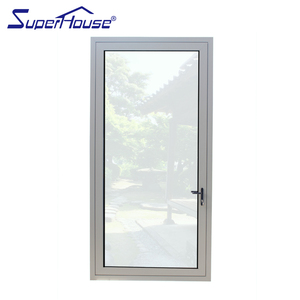
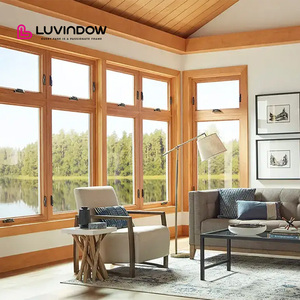
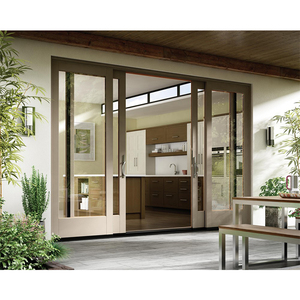
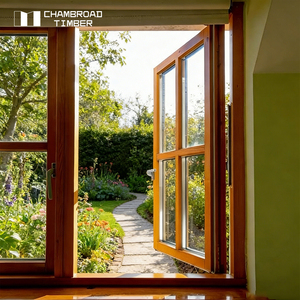
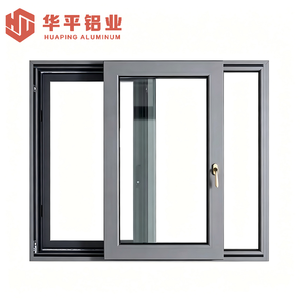
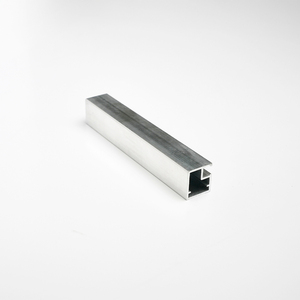
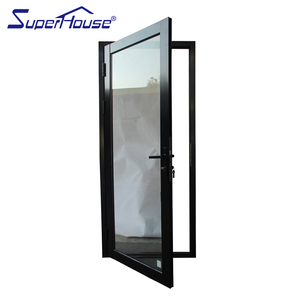
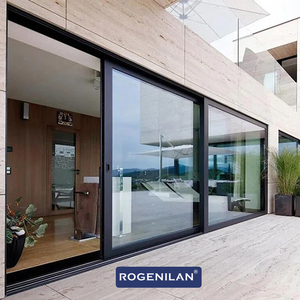
Comprehensive Guide: China Wholesale Aluminum Louver Windows Sourcing & Engineering
Architectural louver systems have evolved from basic ventilation accessories into complex, energy-regulating building envelope components. Modern commercial and high-end residential architecture demands fenestration that offers precise environmental control, storm mitigation, solar shading, and elevated aesthetic appeal. As a leading manufacturer based in Foshan, Guangdong—the epicenter of global aluminum extrusion and fenestration technology—BrioWindow Technology Co., Ltd. delivers custom-engineered aluminum louver windows, motorized sunshades, casement windows, and heavy-duty sliding systems tailored for rigorous global standards.
Sourcing directly from an established China wholesale aluminum louver windows supplier allows real estate developers, facade contractors, structural engineers, and global importers to achieve significant cost efficiency without sacrificing structural integrity, thermal performance, or architectural elegance. This technical white paper examines the engineering parameters, material sciences, procurement strategies, and future technological vectors shaping the global architectural louver and window supply chain.
1. Technical Architecture & Structural Mechanics of Architectural Aluminum Louvers
An aluminum louver window system relies on extruded aluminum alloy blades set within a rigid perimeter sub-frame. The geometry, alloy temper, seal integration, and blade control mechanics determine the system's operational durability and environmental resilience. Key engineering metrics include:
Aluminum Alloy Extrusion (6063-T5 / T6)
Utilizing high-tensile 6063-T5 or T6 architectural aluminum profiles guarantees exceptional structural yield strength, corrosion resistance, and dimensional stability under extreme thermal expansion.
Aerodynamic Free Air Area (FAA)
Engineered blade profiles maximize ventilation efficiency, achieving up to 60-70% Free Air Area while retaining complete water-shedding performance during high-velocity wind-driven rain.
Advanced Surface Finishing
Options including Fluorocarbon PVDF coating (Kynar 500), 25-micron Anodizing, and AkzoNobel Powder Coating protect frames against coastal salt spray, UV degradation, and chemical weathering.
When selecting louver window hardware, buyers must evaluate whether the project demands Fixed Louvers (ideal for plant rooms, equipment screening, and continuous facade shading) or Operable/Adjustable Louvers (manual hand-crank, rack-and-pinion, or smart motorized actuators integrated into Building Management Systems). Operable glass or aluminum louver blades utilize heavy-duty dual EPDM weather-stripping to eliminate air infiltration when completely closed, fulfilling energy code requirements in North America, Europe, and Australia.
Structural Engineering & Performance Specification Benchmark
The matrix below highlights standard technical parameters for BrioWindow architectural aluminum louver systems compared against international project demands:
| Performance Parameter | Standard Specification | High-Performance / Hurricane Grade | International Standard Compliance |
|---|---|---|---|
| Frame Material & Thickness | Extruded Aluminum Alloy 6063-T5 (1.4mm - 2.0mm) | Heavy-Duty Architectural 6063-T6 (2.5mm - 3.0mm) | ASTM B221 / GB 5237 |
| Wind Load Resistance | Up to 2.5 kPa (P2 Rating) | Exceeds 5.0 kPa (Miami-NOA / TAS 201/202/203) | AS2047 / AS1170 / ASTM E330 |
| Water Penetration Resistance | 300 Pa Static Pressure | 700 Pa High-Velocity Wind-Driven Rain | ASTM E331 / EN 12154 |
| Acoustic Insulation (STC) | STC 28 - 32 (Standard Blades) | STC 38 - 45 (Acoustic Infill Blades) | ISO 10140-2 / ASTM E90 |
| Thermal Transmittance (U-Value) | Standard Non-Thermal Break: ~3.8 W/m²K | Polyamide PA66 Thermal Break: ≤ 1.6 W/m²K | NFRC 100 / EN ISO 10077-2 |
| Surface Finish Standard | Powder Coating (≥ 60 microns) | PVDF Fluorocarbon 3-Coat System (≥ 40 microns) | AAMA 2605 / AAMA 2604 |
Global Architectural & Manufacturing Development Trends
The fenestration and facade industry is undergoing a major structural transformation driven by stringent global carbon-neutrality mandates, extreme weather anomalies, and advancements in digital building automation. Overseas buyers sourcing aluminum louver windows and glazed fenestration from China must align their sourcing strategies with these key industry trends:
1. Decarbonization & High Thermal-Break Technology Integration
Traditional non-thermal aluminum frames are rapidly being phased out across North America, Europe, and Australia in favor of advanced multi-cavity thermal break extrusions. By incorporating fiberglass-reinforced Polyamide (PA66GF25) thermal barriers within aluminum louver sub-frames and surrounding window profiles, thermal conduction across the building envelope is drastically reduced. Furthermore, the industry is transitioning toward low-carbon recycled aluminum billets, significantly reducing the embodied carbon footprint of large-scale facade installations.
2. Smart Motorization & Micro-Climate Building Automation
Modern commercial towers and modern luxury villas are increasingly replacing manual hand-crank louver mechanisms with motorized linear actuators connected to IoT control hubs. Intelligent louver systems dynamically adjust blade angles based on real-time solar tracking, interior CO2 sensors, wind speed, and rain detection. This dynamic shading and natural ventilation approach drastically reduces HVAC power consumption during peak summer loads.
3. Hurricane-Proof, Impact-Resistant & Storm Mitigation Engineering
Coastal developments in North America (Miami-Dade / Florida Building Code jurisdictions), the Caribbean, and East Asia require fenestration capable of withstanding severe tropical cyclones. Direct supplier customization now mandates impact-rated louver assemblies featuring reinforced pivot pins, heavy-gauge aluminum blades, and laminated impact glass integration capable of passing large-missile impact testing (ASTM E1886/E1996 and TAS 201).
Future Procurement Trends for Global B2B Buyers
Navigating cross-border supply chains for custom building materials requires a clear understanding of emerging trade dynamics, digital quality inspection tools, and logistics integration. Global procurement managers are adopting the following strategic methodologies when purchasing wholesale aluminum windows and louvers from China:
End-to-End BIM & CAD Digital Twin Integration
Procurement teams no longer order standardized off-the-shelf units. Modern B2B workflows utilize direct Building Information Modeling (BIM) integration, where customized shop drawings, CAD elevations, and structural calculation reports are verified prior to mass extrusion tool cutting.
Turnkey Multi-Product Sourcing Kits
Developers are consolidating supply chains by sourcing completefenestration packages—combining aluminum louver windows, sliding doors, timber-clad casements, pivot entrance doors, and glass curtain walls—from a single accountable factory in Foshan to standardize finish colors and simplify site logistics.
Rigorous Third-Party Factory Audits & QA Inspections
International buyers enforce comprehensive Quality Assurance protocols. Factory acceptance testing includes AS2047 water penetration testing, mill test certificates (MTC) for raw aluminum billets, and salt-spray testing validation prior to export container loading.
Why Choose BrioWindow Technology Co., Ltd. as Your Supply Partner
Headquartered in Nanhai District, Foshan City, Guangdong Province, BrioWindow Technology Co., Ltd. stands at the forefront of China's premium architectural fenestration export industry. With over a decade of dedicated manufacturing excellence, our state-of-the-art facility combines precision automated CNC machining, advanced powder-coating lines, and rigorous engineering quality control.
Our core capabilities and corporate strengths include:
- Global Market Mastery: Deep export experience serving commercial, multi-family, and luxury residential projects across the United States, Canada, Australia, Europe, and over 60 countries worldwide.
- 30-Year Quality Assurance Guarantee: We back our high-grade aluminum extrusions, hardware mechanisms, and surface treatments with an industry-leading 30-year after-sales quality commitment.
- Comprehensive Product Ecosystem: A true single-source manufacturer supplying aluminum louver windows, sliding doors, swing/casement windows, central axis pivot doors, smart motorized windows, PVC systems, wooden doors, fire doors, sunrooms, and curtain walls.
- Tailored Engineering & Customization: Complete flexibility in profile thickness, glass specification (double/triple insulated, Low-E, argon filled, hurricane impact laminated), color matching (RAL palette), and hardware selection (Hoppe, Siegenia, Codelocks, or top Chinese OEM brands).
- International Testing Compliance: Built to meet strict global benchmarks including North American NFRC/AAMA, Australian AS2047/AS1288, and European CE/EN standards.
Frequently Asked Questions (FAQ) for B2B Buyers
Below are clear, expert answers to common engineering, logistical, and commercial inquiries from overseas procurement managers, developers, and facade contractors.
What types of aluminum louver windows and fenestration systems does BrioWindow manufacture?
We manufacture a comprehensive array of architectural louver systems, including fixed aluminum sun-control louvers, adjustable glass blade louvers, motorized acoustic ventilation louvers, and storm-resistant louvered shutters. Additionally, our main production lines manufacture aluminum sliding doors and windows, swing/casement windows, central axis pivot doors, smart motorized fenestration, PVC windows, timber doors, fire-rated doors, sunrooms, and unitized glass curtain walls.
Which global export markets and building codes do your products support?
Our core export markets include the United States, Canada, Australia, the United Kingdom, New Zealand, and over 60 countries across South America, the Middle East, and Southeast Asia. Our technical team designs profiles to meet specific regional requirements, including Australian AS2047 / AS1288, American AAMA / NFRC / Miami-Dade impact standards, and European CE acoustic and thermal performance regulations.
Can BrioWindow manufacture louver windows to custom architectural drawings and project schedules?
Yes, 100% of our production is customized. Our structural engineering team evaluates your architectural drawings, elevation schedules, and wind-load calculations. We provide detailed 2D shop drawings and 3D CAD/BIM models for approval before extrusion cutting or fabrication begins, ensuring flawless fit during jobsite installation.
What technical information should buyers prepare when requesting a wholesale factory quote?
To provide an accurate and rapid commercial quotation, please share: 1) Project location and building type (residential, commercial, industrial); 2) Window/louver opening schedules or architectural drawings; 3) Preferred operation mode (fixed, manual crank, motorized); 4) Surface finish and color specification (RAL code, PVDF, Anodized); 5) Glazing or blade thickness requirements; and 6) Target delivery schedule and destination port.
How does BrioWindow ensure product protection during long-distance ocean shipping?
Every unit undergoes strict factory inspection prior to packaging. Products are protected with protective surface films, corner protection guards, bubble wrap, and packed inside fully enclosed fumigated plywood crates or robust steel-framed export A-frames. Containers are moisture-sealed and strapped to eliminate movement during maritime transport.
What warranty and after-sales support do you provide to overseas partners?
We offer an industry-leading 30-year after-sales quality assurance covering profile structural integrity and anodized/PVDF surface finish durability. We also provide complete installation manuals, technical video guidance, replacement hardware support, and remote engineering assistance for installation teams on international job sites.
Ready to Partner with China's Premier Aluminum Louver Supplier?
Whether you are sourcing custom aluminum louver windows for an upcoming commercial development or seeking a reliable long-term factory supplier for architectural window systems, BrioWindow delivers certified engineered excellence directly from Foshan, China.
