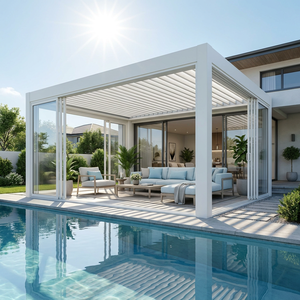
Luxury Manual Bioclimatic Aluminum Pergola Sliding Glass Doors
Eco-friendly powder-coated architectural system designed for year-round garden lounge enclosures and winter garden protection.
Get a QuoteFactory-direct precision aluminum fabrication tested for structural integrity, hurricane resistance, and high acoustic isolation.
Eco-friendly powder-coated architectural system designed for year-round garden lounge enclosures and winter garden protection.
Get a Quote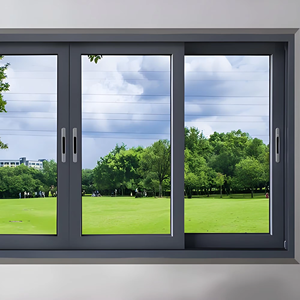
Custom heavy-duty slim frame windows engineered for modern luxury residences, commercial hospitality, and high-rise office towers.
Get a Quote
Versatile lightweight customized profile design suitable for smart residential interior partitions, wardrobe systems, and interior glazing.
Get a Quote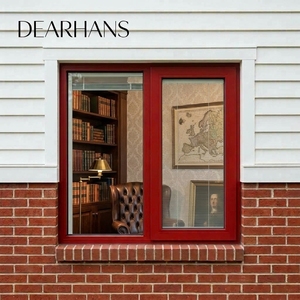
Impact-rated exterior architectural casement system offering thermal insulation, multi-point locking security, and high acoustic reduction.
Get a Quote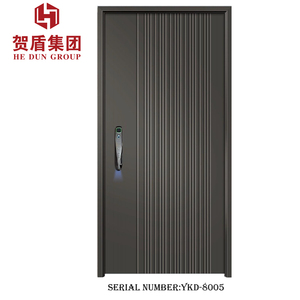
Embossed high-density acoustic insulation entrance doors ideal for luxury private villas, estate courtyards, and grand hotel lobbies.
Get a Quote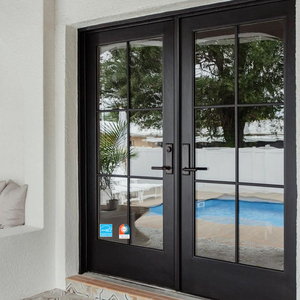
North American compliant thermal-break French door systems utilizing tempered Low-E insulated glass units for maximum energy efficiency.
Get a Quote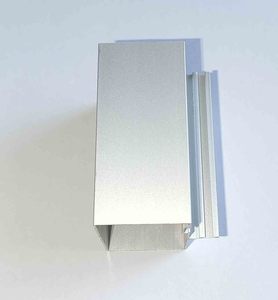
6063-T5 / T6 structural aluminum extrusion profiles available with anodized, PVDF fluorocarbon, and powder-coated surface finishes.
Get a Quote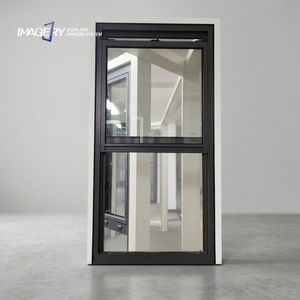
Sleek vertical sliding sash windows designed for space-constrained residential applications, wet areas, and contemporary residential facades.
Get a QuoteThe global construction and fenestration industry is undergoing a structural paradigm shift driven by stringent energy performance mandates, modern architectural aesthetics demanding maximal glass surfaces, and complex supply chain requirements. For commercial real estate developers, general contractors, architectural specifiers, and wholesale distributors, partnering directly with primary China wholesale aluminum fabrication window manufacturers and suppliers represents a high-yield procurement strategy. China—specifically the Nanhai District in Foshan, Guangdong—houses the world’s most advanced integrated metallurgical extrusion, surface treatment, and window assembly clusters. This concentration of raw material sourcing, automated CNC fabrication, hardware engineering, and logistics infrastructure provides international buyers with unparalleled cost efficiency without compromising technical precision.
Modern aluminum window systems are far more than simple structural frames holding annealed glass. They represent sophisticated multi-component building envelope assemblies comprising primary 6063-T5 or T6 alloy structural extrusions, polyamide thermal barriers (PA66 GF25), multi-layer double or triple insulated glass units (IGU) with argon gas filling, continuous EPDM weather-stripping gaskets, and multi-point perimeter locking hardware. Navigating this technical landscape requires a deep understanding of metallurgy specifications, thermal transmittance metrics (U-factors), solar heat gain coefficients (SHGC), and international building code testing protocols such as NFRC, ASTM E283/E330/E331, CE EN 14351-1, and Australian AS2047 standard compliance.
When evaluating Chinese window manufacturers, direct material specification audit is critical. Premium OEM/ODM manufacturers like BrioWindow Technology Co., Ltd. utilize primary ingot 6063 aluminum alloys with structural wall thicknesses exceeding 1.4mm for windows and 2.0mm for heavy-duty sliding doors, conforming directly to international structural deflection limits under extreme wind loads (DP50 to DP70 ratings).
Understanding the engineering fundamentals of aluminum extrusion fabrication allows procurement managers to specify the exact structural and thermal performance parameters required for their regional climates. Raw aluminum must undergo a highly controlled extrusion process where billets are preheated to approximately 450°C–500°C and forced through precision steel dies to form complex hollow and solid profile cross-sections.
The predominant structural alloy used in architectural fenestration is 6063-T5 / T6. Aluminum alloy 6063 contains magnesium and silicon as key alloying elements, providing an optimal balance of tensile strength, corrosion resistance, surface finish smoothness, and complex extrudability. The T5 temper designation indicates that the profile has been cooled from an elevated temperature shaping process and artificially aged to achieve a tensile yield strength of at least 110 MPa. For heavy structural curtain walls and hurricane-impact resistant fenestration, T6 tempering is applied—rapidly water-quenched after extrusion and precipitation heat-treated—raising the tensile yield strength upwards of 170 to 210 MPa.
Aluminum is naturally a highly conductive metal with a thermal conductivity rating of approximately 200 W/m·K. To prevent massive thermal energy transfer between interior and exterior building spaces, high-performance aluminum window systems feature a thermal break (thermal barrier). In premium Foshan manufacturing facilities, structural thermal breaks are achieved by inserting precision-extruded Polyamide 66 reinforced with 25% glass fiber (PA66 GF25) structural struts into mechanical slots within the inner and outer aluminum profile chambers, which are then mechanically rolled and crimped.
The following performance matrix illustrates standard OEM/ODM fabrication capabilities offered by elite Foshan manufacturers for commercial and residential export grade project orders:
| Performance Indicator | Standard Non-Thermal System | Advanced Thermal Break System | Passive House / Extreme Climate System |
|---|---|---|---|
| Primary Alloy Grade | 6063-T5 Architectural Grade | 6063-T5 / T6 High Structural | 6063-T6 / 6061-T6 Heavy Alloy |
| Profile Wall Thickness | 1.2 mm - 1.4 mm | 1.4 mm - 2.0 mm | 2.0 mm - 3.0 mm Reinforced |
| Thermal Barrier Material | None (Solid Profile) | 14.8 mm - 24 mm PA66 GF25 | 34 mm+ PA66 GF25 + Aerogel Foam |
| U-Factor (Btu/h·ft²·°F) | 0.80 - 1.10 | 0.28 - 0.38 (NFRC Rated) | 0.14 - 0.20 (Passive House) |
| Acoustic Isolation (STC) | 25 - 28 dB (Single Glass) | 35 - 42 dB (Double Glazed) | 45 - 52 dB (Laminated Triple IGU) |
| Design Wind Pressure (DP) | DP 30 (1440 Pa) | DP 50 - DP 65 (3120 Pa) | DP 70 - DP 100 Hurricane Rating |
| Surface Coating Finishes | Powder Coating (60μm) | PVDF Fluorocarbon (3-Coat) | Anodized Class 1 (25μm) / Woodgrain |
Procurement directors and commercial buyers must stay ahead of regulatory and market evolutions. Over the coming decade, window procurement strategies from Chinese supply hubs will be governed by five key operational and design trends:
Global buyer mandates require post-consumer recycled aluminum content. Modern extrusion plants in Foshan are adopting scrap-sorting tech to produce low-carbon aluminum profiles with 75%+ recycled content, reducing embodied carbon by up to 80% per window unit.
Architectural design favors panoramic sightlines. Demand for slim-frame sliding patio doors featuring structural center mullions as thin as 16mm to 20mm has surged, relying on structural silicone structural glazing (SSG) to maintain wind resistance.
Direct integration of concealed brushless motors, rain/wind sensors, and smart home automation protocol bridges (Zigbee, Matter, KNX) into window frames is shifting standard windows into smart building assets, especially for skylights and high clerestory windows.
Furthermore, stringent net-zero building regulations in North America (such as California Title 24, NYC Local Law 97) and European Green Deal directives are driving the adoption of warm-edge spacer technology (TPS/PGI spacers), triple-pane glass configurations with dual silver Low-E soft coatings, and krypton/argon gas combinations. Sourcing directors who establish partnerships with Chinese factories equipped with automated IGU production lines will secure a massive competitive advantage in project bidding.
The manufacturing landscape inside China's primary industrial hubs has evolved from manual labor-intensive assembly to digital Industry 4.0 automation. Leading window fabrication facilities in Foshan have invested heavily in automated double-head cutting saws, 5-axis CNC machining centers, robotic corner-crimping units, and automated structural silicone dispensing lines. This technological transformation directly directly addresses historical buyer concerns regarding dimensional tolerances and seal longevity.
Modern architectural window assemblies rely on precise corner joints and hardware recess milling. Automated 5-axis CNC machining centers process extruded aluminum profiles with a positional accuracy of ±0.05mm. Corner jointing utilizes heavy cast-aluminum corner keys combined with dual-component anaerobic adhesive injection. This process creates a hermetically sealed corner joint that prevents water infiltration under heavy hydrostatic pressure while maintaining perfect 90-degree squareness even during high dynamic wind loading.
Surface finishing dictates both aesthetic longevity and anti-corrosion resistance in coastal or harsh industrial environments:
Headquartered in Nanhai District, Foshan, Guangdong, BrioWindow Technology Co., Ltd. stands at the forefront of premium OEM/ODM door and window engineering. Operating with over 10 years of focused export experience to more than 60 countries across North America, Australia, and Europe, BrioWindow has built an integrated manufacturing eco-system tailored to the stringent demands of international architects, structural engineers, and commercial developers.
From raw ingot spectrum testing, anodizing film thickness checks, corner shear strength tests, to 100% water tightness pressure chamber testing before crate packaging.
Our dedicated structural engineering team provides custom shop drawings, wind load deflection calculations, and thermal modeling (LBNL THERM) for project approvals.
Backing our structural extrusions, PVDF surface finishes, and insulated glass seal integrity with an industry-leading 30-year limited global warranty.
Whether producing double-glazed soundproof casement windows, luxury bioclimatic pergola sliding glass doors, motorized smart windows, or central axis pivot entrance doors, BrioWindow maintains full traceability from extrusion die design to final export container loading. By bridging technical expertise with flexible customization, BrioWindow eliminates procurement friction for overseas clients.
Expert answers addressing structural engineering, minimum order quantities, import testing standards, and logistics protocols.
To provide a precise engineering quote, buyers should submit architectural elevation drawings, window schedules, opening dimensions, preferred opening method (sliding, casement, tilt-and-turn, bi-fold), glass specifications (double/triple pane, Low-E type, tinting), frame color (RAL code or anodized finish), and regional wind load or energy code targets.
Leading exporters like BrioWindow engineer profiles specifically for regional code compliance. For North America, units undergo laboratory testing for NFRC thermal performance (U-factor and SHGC) and AAMA structural testing. For Australia, products are tested in accordance with AS2047 and AS1288 covering deflection, air infiltration, water penetration resistance, and ultimate strength.
Standard architectural profile series have flexible MOQs, often starting from 50 to 100 square meters for residential custom orders or full container loads (20GP / 40HQ) for commercial projects. Fabrication lead times typically range from 25 to 35 business days following final CAD shop drawing sign-off and glass spec confirmation.
Finished windows undergo a multi-layer protective packaging process: 1) Protective polyethylene film on aluminum extrusions, 2) EPE foam corner guards, 3) Fully enclosed fumigated plywood crates or steel A-frame racks, and 4) Container air-bag padding to prevent lateral movement during ocean freight transit.
PA66 GF25 thermal breaks stop interior heat loss during winter and block radiant summer heat from entering the building envelope. This reduces HVAC power consumption by up to 35-40%, eliminates interior glass condensation, and allows compliance with modern energy codes that strictly enforce maximum allowable U-factors.
Yes. BrioWindow provides custom tooling and die extrusion services. Our engineers analyze your CAD/STEP files, optimize cross-sectional wall thickness for structural balance, sink custom extrusion dies within 10 to 15 days, and provide physical prototype samples for client verification before mass production.
Streamline your architectural supply chain with engineered aluminum doors and windows manufactured to international structural and thermal standards. Request direct factory pricing, CAD shop drawing support, or physical material samples today.
