Featured Architectural Systems & Export Gallery
Precision-engineered aluminum doors and windows manufactured in Foshan, China. Standardized for international building codes across the USA, Canada, Australia, and worldwide.
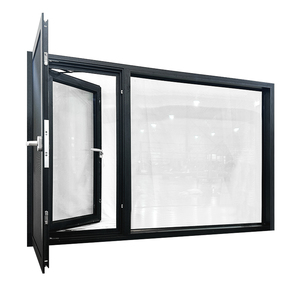
Custom Thick Home Noise Cancelling Corner Aluminum Glass Casement Window
Contact Us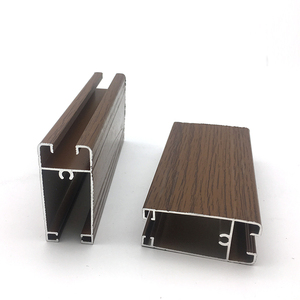
Pakistan Powder Coated Aluminium Glass Louvers Window Frame Colours Aluminium windows and Doors
Contact Us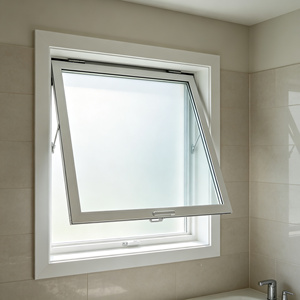
Thermal Break Aluminum Alloy Awning Window Top Hinged Double Glazed Glass Ventilation Design Victorian Living Room Use
Contact Us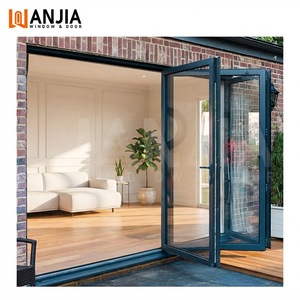
American Standard Hurricane Proof Aluminum Door Villa Accordion Folding Door Aluminum Folding Patio Door
Contact Us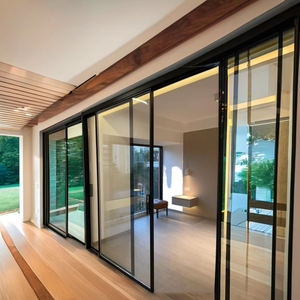
Custom Aluminum Windows and Doors Energy Saving Low E Glass Casement Window Double Glazed Tilt and Turn House Window
Contact Us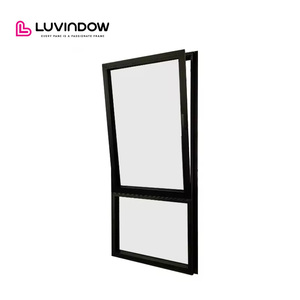
Hot Sale Narrow Frame Large Glass Windows Residential Villa Slimline Aluminium Windows Double Glazed Tilt Turn Aluminium Windows
Contact Us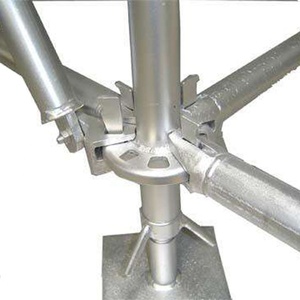
Aluminum Scaffolding Board Scaffolding Trap Door Platform with Ladder for Scaffolding Frame
Contact Us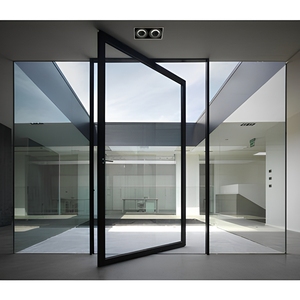
Modern Heavy-Duty Aluminum Pivot Doors With Double Glass Soundproof Finished Surface For Villa & Hotel Entrance
Contact UsExecutive Summary & Industry Background
In modern commercial and high-end residential architecture, balcony doors serve as vital exterior building envelope elements. They are no longer mere transitions between indoor living areas and outdoor terraces; they are critical thermal boundaries, structural wind-load barriers, acoustic insulation shields, and major visual design components. As global building codes demand lower overall U-factors, enhanced air-tightness, and superior resistance to wind-driven rain, global developers, contractors, and fenestration importers turn to specialized manufacturing centers in China for high-performance wholesale solutions.
Headquartered in Nanhai District, Foshan City, Guangdong Province—the heart of China's premium aluminum profile and architectural fenestration cluster—BrioWindow Technology Co., Ltd. has positioned itself as a world-class OEM/ODM manufacturer and exporter of heavy-duty aluminum balcony doors, casement windows, bi-fold systems, pivot doors, and architectural curtain walls. Operating with over 10 years of direct export experience to hyper-regulated markets including the United States, Canada, Australia, and over 60 countries, BrioWindow bridges the gap between cost-efficient Chinese bulk manufacturing and stringent Western building standards (such as NFRC, ASTM, AAMA, and AS2047).
This comprehensive industry whitepaper examines the technical specifications, structural thermal engineering, evolving market trends, procurement strategies, and technical benchmarks involved when sourcing wholesale aluminum balcony doors from China.
Engineering Principles of Architectural Aluminum Balcony Doors
Analyzing profile geometry, alloy temper, thermal break technology, glazing configurations, and hardware integration.
1. Extrusion Profile Alloys & Wall Thickness
The structural rigidity of a balcony door directly depends on the alloy composition and cross-sectional wall thickness. Precision-manufactured balcony doors utilize 6063-T5 or 6063-T6 architectural grade aluminum alloys. High-rise installations require wall thicknesses ranging from 2.0mm to 3.0mm to withstand intense wind pressure and heavy double/triple-glazed insulated units. Primary extrusion profiles undergo homogenization, precision extrusion, and artificial aging to achieve tensile strength exceeding 205 MPa and yield strength over 180 MPa.
2. Polyamide Thermal Barrier (PA66-GF25)
Aluminum is natively conductive. To meet strict international energy conservation codes (IECC / AS1288), structural profiles feature a thermal break bar made of Polyamide 66 reinforced with 25% glass fiber (PA66-GF25). This mechanical bridge separates the interior and exterior aluminum profiles, reducing the thermal transfer rate. High-tier systems incorporate multi-cavity thermal break strips combined with polyolefin insulation foam inserts, achieving system U-values as low as 1.2 to 1.6 W/(m²·K) (U-factor ~0.21–0.28 BTU/h·ft²·°F).
| Performance Indicator | Standard Non-Thermal Break Door | High-Spec Thermal Break Door | Test Standard / Certification |
|---|---|---|---|
| Thermal Transmittance (U-Value) | > 4.5 W/(m²·K) | 1.2 – 1.8 W/(m²·K) | ISO 10077-2 / NFRC 100 |
| Acoustic Insulation (STC Rating) | 25 – 28 dB | 38 – 45+ dB (Double/Laminated) | ASTM E90 / ISO 717-1 |
| Wind Pressure Resistance | Class 3 (∼ 2.0 kPa) | Class 8+ (≥ 5.0 kPa / Hurricane Grade) | ASTM E330 / AS2047 / EN 12210 |
| Water Penetration Resistance | 150 Pa – 250 Pa | 600 Pa – 900 Pa (Sub-sill drainage) | ASTM E331 / EN 12208 |
| Air Infiltration Rate | Level 2 (≤ 1.5 m³/m·h) | Level 8 (≤ 0.5 m³/m·h) | ASTM E283 / EN 12207 |
3. Advanced Glazing Architecture & Acoustic Soundproofing
Glazing comprises up to 80% of a balcony door's surface area. Wholesale buyers can customize Insulated Glass Units (IGU) to project specifications:
- Double-Glazed Toughened Glass: 6mm Low-E + 12Ar + 6mm Clear Tempered.
- Triple-Glazed Thermal Units: 5mm Low-E + 9Ar + 5mm Clear + 9Ar + 5mm Tempered.
- Acoustic Laminated Combinations: 6mm Clear + 1.52PVB/SGP + 6mm Low-E with Argon gas gap, yielding STC ratings up to 45 dB to block urban traffic noise.
- Warm-Edge Spacers: Replacing traditional aluminum spacers with composite warm-edge technology reduces edge condensation by 90%.
4. Surface Finish Engineering & Corrosion Protection
Balcony doors face harsh exterior conditions, UV exposure, and coastal salt spray. Chinese wholesale export standards utilize heavy-duty surface treatments:
- Powder Coating (AkzoNobel / PP&G): Meets AAMA 2604 / AAMA 2605 specifications, guaranteeing color stability and chalking resistance for 15–25 years.
- Fluorocarbon (PVDF) Spraying: 3-coat or 4-coat system ideal for extreme marine environments and high UV zones.
- Anodizing & Electrophoresis: Film thickness ≥ 15μm, offering metallic brilliance, scratch resistance, and zero degradation in industrial environments.
Future Product Development Trends (2025–2030 Horizon)
How technological innovation, minimal architectural aesthetics, and carbon-neutral policies are shaping the next generation of aluminum balcony doors.
Ultra-Narrow Sightlines & Slimline Interlocks
Modern luxury residential designs demand maximum daylighting and uninterrupted exterior views. The market is rapidly shifting toward micro-slim sliding door profiles with vertical interlock widths reduced from standard 80mm profiles to 16mm–25mm narrow-frame systems. Concealed frames embedded directly into walls, ceilings, and floors create seamless glass-wall designs.
Zero-Threshold Flush Track & Hidden Drainage
Accessibility standards (ADA compliant) and continuous indoor-outdoor floor transitions drive the adoption of recessed, zero-step bottom tracks. Advanced designs incorporate multi-stage hidden drainage channels beneath floor tiles, utilizing siphonic or gravity drainage grids capable of evacuating storm water up to 120 L/min per linear meter without water backing up into the room.
Smart Automation, Motorization & IoT Integration
Automated motorized sliding and tilt-turn balcony doors integrated with smart home ecosystems (KNX, Zigbee, Control4) are moving from niche luxury to mainstream specification. Features include quiet magnetic-levitation motors, automated rain/wind sensors that close doors during storms, anti-pinch safety light curtains, and biometrics or smartphone app control.
Global Procurement & Sourcing Trends for Wholesale Buyers
Key structural shifts in how international developers, contractors, and fenestration distributors procure door and window systems from China.
Direct Manufacturer Sourcing vs. Trading Intermediaries
Global buyers are increasingly bypassing third-party trading brokers to build direct OEM/ODM partnerships with factory-direct manufacturers in Foshan. Direct factory collaboration reduces procurement overhead by 15%–25%, ensures absolute transparency in raw material supply chains (such as verifying genuine primary billet vs. scrap aluminum), and grants buyers direct access to factory structural engineers for shop drawing reviews.
BIM Integration & Digital Twin Specification
Leading architectural and commercial developers now mandate Building Information Modeling (BIM) files prior to procurement. Suppliers must provide 3D Revit / IFC objects detailing structural anchoring points, thermal bridge breaks, and precise opening geometry. Early integration of BIM models drastically minimizes field-fit errors during installation on site.
Comprehensive Quality Verification & Factory Audits
Procurement policies now prioritize factory audits covering ISO9001 quality management, ISO14001 environmental compliance, and third-party lab testing reports (SGS, TÜV, Intertek). Foreign buyers require pre-shipment quality checks including glass distortion analysis, corner weld strength tests, film thickness checks, and air/water tightness chamber validation.
Modular Prefabrication & Jobsite-Ready Packaging
To combat rising labor costs in North America, Europe, and Australia, wholesale buyers demand knock-down (KD) pre-assembled framing or fully assembled pre-glazed door units labeled by floor level and opening number. Custom wooden crate packaging lined with protective foam protects pre-finished profiles during ocean transit and simplifies site unloading.
Enterprise Advantages of BrioWindow Technology Co., Ltd.
Why international buyers choose BrioWindow as their strategic aluminum doors and windows supplier in Foshan, China.
Full Category Manufacturing Ecosystem
BrioWindow manufactures a complete range of architectural openings from a single source. Our portfolio includes aluminum sliding doors, heavy-duty casement doors, accordion folding doors, central axis pivot doors, smart motorized windows, PVC windows, fire-rated doors, sunrooms, and unitized curtain walls. This comprehensive range enables developers to source all exterior fenestration components under one contract.
Rigorous International Compliance
Every product batch produced at our Foshan facility complies with national and international quality benchmarks. Our systems are engineered and tested against North American ASTM/AAMA standards and Australian AS2047 fenestration codes. All hardware components feature premium heavy-duty multi-point lock systems (German Siegenia, Hoppe, CMECH) designed to endure over 100,000 operational cycles.
30-Year After-Sales Quality Guarantee
BrioWindow backs its structural aluminum extrusions and structural framing systems with an industry-leading 30-year warranty. Our technical engineering support team offers comprehensive shop drawing design, hardware customization, structural calculation support, and remote installation guidance to guarantee seamless site assembly.
Frequently Asked Questions (Procurement FAQ)
Detailed answers to common technical, logistics, and quality assurance questions asked by international buyers and project specifiers.
What doors and windows does BrioWindow manufacture at its Foshan factory?
BrioWindow manufactures a comprehensive suite of fenestration products, including aluminum alloy folding doors, sliding doors, swing/casement doors, casement windows, sliding windows, tilt-and-turn windows, PVC doors and windows, solid wooden doors, fire-rated doors, sunrooms, curtain walls, central axis pivot doors, and smart motorized doors and windows. All systems are custom-built to project dimensions and structural performance targets.
Which international export markets does BrioWindow serve?
Our primary export markets are North America (United States, Canada) and Australia, alongside extensive project deliveries across South America, Europe, the Middle East, and Southeast Asia—spanning over 60 countries. Our profiles, glass units, and hardware configurations are engineered to meet specific regional building code requirements (e.g., hurricane wind-load ratings for Florida, NFRC thermal standards for Canada, AS2047/AS1288 for Australia).
Can BrioWindow manufacture doors and windows according to custom project drawings and sizes?
Yes. 100% of our production runs are tailored to architectural plans. Our structural design team reviews CAD drawings, BIM models, elevation schedules, and local code specs. We generate detailed shop drawings—including wall anchoring details, glass configurations, structural mullion calculations, and drainage schematics—for client review and approval before metal cutting begins.
What technical parameters should I provide when submitting a project inquiry?
To receive an accurate engineering recommendation and commercial quotation, please share:
- Project location, building type (residential villa, multi-family apartment, commercial tower), and installation environment (coastal vs. inland).
- Window/door opening schedule, CAD floor plans, or rough opening dimensions.
- Preferred opening mechanism (sliding, casement, bi-fold, tilt-turn, pivot).
- Glass requirements (double/triple pane, Low-E coating, laminated acoustic, tinted, argon gas fill).
- Frame profile finish and color selection (Powder coated RAL color, PVDF, Wood grain anodized).
- Performance specifications (design wind load in kPa, U-factor targets, STC acoustic dB level).
- Destination port, target delivery date, and preferred Incoterm (FOB Foshan, CIF, DDP).
What after-sales service and quality guarantees are provided for overseas orders?
BrioWindow offers a 30-year structural warranty on all aluminum extrusion profiles, a 10-year warranty on insulated glass units against seal failure/fogging, and up to 10 years warranty on hardware mechanisms depending on the selected hardware brand (e.g., Siegenia, CMECH, or custom factory hardware). We supply replacement hardware parts, step-by-step installation manuals, shop drawing documentation, and remote video support for on-site installation guidance.
How does BrioWindow ensure safe ocean transport and prevent shipping damage?
Export orders undergo multi-layer protective packaging: primary profile surface protective films, corner plastic guards, multi-layer bubble wrap wrapping, and fully enclosed solid wooden/plywood crates with internal steel strapping. Fully assembled doors are packed on heavy-duty steel A-frames inside shipping containers to withstand ocean transport vibrations and container movement.
What are the production lead times for bulk wholesale orders?
Standard production lead times range between 25 to 35 business days following shop drawing sign-off and deposit confirmation. Specialized custom extrusion dies, custom PVDF color matching, or specific imported glass configurations may require 35 to 45 business days. Express production schedules are available for time-sensitive commercial tenders upon request.
Partner with Foshan's Premier Aluminum Door Exporter
Contact our engineering export team today to receive direct factory pricing, shop drawing reviews, physical profile samples, and comprehensive project consultation.
Contact Us