Executive Summary: Modern Fenestration Engineering
In contemporary architectural design and commercial construction, fenestration systems have evolved far beyond basic building enclosures. The global demand for structural integrity, superior thermal insulation, high wind-load endurance, and sound dampening has elevated aluminum stable doors, heavy-duty bi-folding systems, wood-clad hybrid panels, and panoramic sliding assemblies to critical strategic components. Manufactured under rigorous international standards, modern high-strength aluminum door systems integrate precision-extruded 6063-T5/T6 alloy profiles, advanced polyamide (PA66 GF25) thermal breaks, and high-performance double or triple insulated glazing units (IGUs).
This whitepaper serves as an authoritative technical and procurement benchmark for architects, structural engineers, commercial developers, and regional importers seeking China’s premier manufacturing capabilities. By analyzing raw material metallurgy, mechanical operational stability, thermal performance metrics (U-Factor, SHGC), and future procurement methodologies, this document provides actionable clarity for global B2B decision-makers.
Precision-Engineered Door Systems Showcase
Explore our export-grade architectural stable doors, wood-clad insulated panels, and ultra-durable sliding/folding solutions built for modern residential and commercial builds.
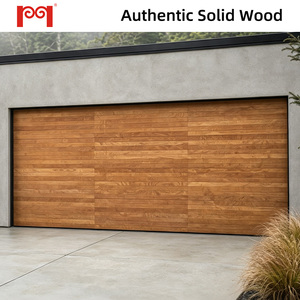
Architectural Grade Real Wood-Clad Insulated Aluminum Panel Stable Structure Smooth Operation Noise Reduction Garage Doors
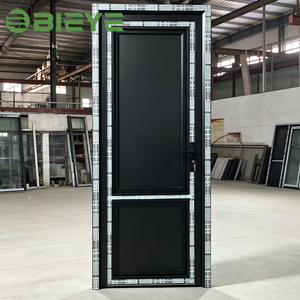
Cost Effective Aluminum Swing Door Stable Operating Performance for New Residential Housing Construction
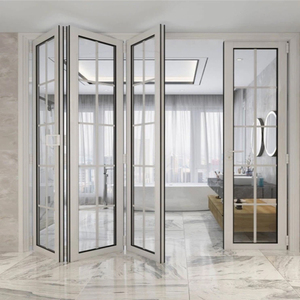
Safety Glass Aluminum Bi Folding Door Heavy Duty Frame Wide Opening Modern Design Stable Folding Door
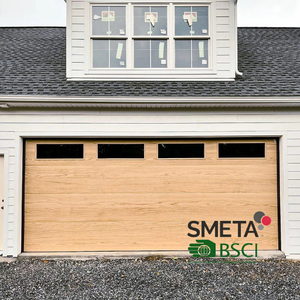
Andexin Weather Resistant Wood Look Aluminum Garage Door Stable Performance For Outdoor Building
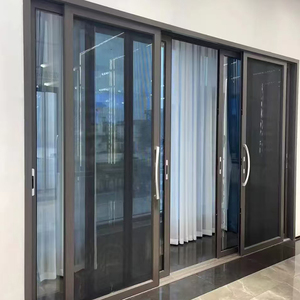
Factory Wholesale Popular High Quality Stable Aluminum Glass Sliding Door
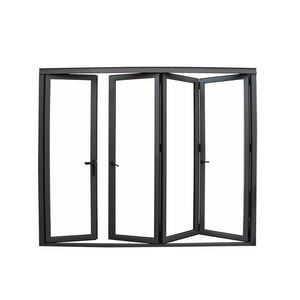
High Strength Aluminum Folding Door Double Layer Insulated Glass Windproof Waterproof Stable Structure Exterior Folding Door
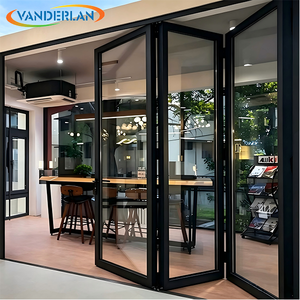
Continuous Operation Aluminum Folding Door Stable Long Term Performance for Event Venue Partition Use
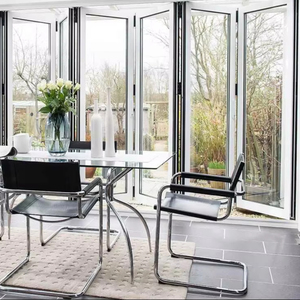
Wide Opening Aluminum Bi Folding Door Double Insulated Glazed High Security Heavy Duty Stable Exterior Folding Door
Metallurgical Standards & Structural Deflection Analysis
The structural integrity of premium stable doors and architectural fenestration hinges upon the precise mechanical properties of the extruded aluminum alloy. Standard non-structural extrusions often succumb to torsional warp under extreme thermal cycles or heavy mechanical usage. Leading Chinese manufacturers, such as BrioWindow Technology Co., Ltd. in Foshan, utilize prime-grade 6063-T5 and 6063-T6 aluminum alloys, engineered specifically to satisfy strict structural deflection criteria under wind load pressures exceeding 3.0 kPa (ASTM E330 testing standards).
6063-T5 / T6 Extrusions
Tensile strength rating exceeding 205 MPa. Offers exceptional structural rigidity, preventing sag or door leaf distortion over decades of operational cycles.
PA66 GF25 Thermal Breaks
25% glass-fiber reinforced polyamide thermal barriers eliminate thermal bridging, achieving U-factors below 1.4 W/m²K in demanding sub-zero environments.
PVDF & Fluorocarbon Coatings
Multi-coat AkzoNobel or PPG fluorocarbon finishes resistant to salt spray, UV degradation, chalking, and severe coastal oxidation (AAMA 2605 compliant).
In stable door configurations—where top and bottom leaves operate both independently and conjointly—hinge load distribution and frame squareness are paramount. Precision CNC machining tolerances within ±0.1mm ensure seamless mechanical alignment. Furthermore, real wood-clad variants integrate interior natural timber (such as American Red Oak or Teak) with exterior heavy-gauge aluminum framing via flexible nylon clips. This design accounts for differing thermal expansion coefficients between wood and metal, preventing interior wood buckling while maintaining outdoor elemental resistance.
Future Procurement Trends: 2025–2030 Architectural Outlook
The global sourcing landscape for commercial and high-end residential fenestration is experiencing a fundamental structural shift. B2B purchasers, building contractors, and real estate developers are migrating away from standardized commodity products toward highly specified, value-added engineered systems. When sourcing aluminum stable doors, sliding assemblies, and folding wall partitions from China, several strategic trends dominate international procurement:
1. Smart Motorization & Building Automation System (BAS) Integration
Next-generation stable doors and wide-opening bi-folding partition walls are increasingly specified with hidden motorized actuators, electronic multi-point solenoid locks, and smart access interfaces. Integration with home automation systems via Zigbee, Z-Wave, or KNX protocols allows remote lock management, automated ventilation scheduling, and perimeter monitoring—key selling points for contemporary luxury residential developments.
2. Decarbonization & Low-Carbon Aluminum Sourcing
Driven by strict EU Green Deal regulations and North American LEED v4 certification criteria, global buyers prioritize suppliers utilizing hydro-powered recycled aluminum billets. Low-carbon aluminum extrusions significantly reduce the embodied carbon footprint of the building envelope without compromising structural tensile capacity.
3. High-STC Acoustic Performance Engineering
Urban densification has heightened the demand for exterior doors with superior Sound Transmission Class (STC) ratings. Sourcing trends favor heavy-gauge insulated core panels and triple-glazed laminate glass units with acoustic PVB interlayers capable of achieving STC 42+ ratings, effectively isolating interior spaces from exterior ambient noise pollution.
Key Takeaway for B2B Importers & Procurement Directors
Selecting a supply chain partner in Foshan is no longer merely a price-per-square-meter decision. Success depends on selecting manufacturers with certified structural testing laboratories, full BIM/CAD shop drawing capabilities, and transparent compliance documentation for local building codes (such as AS2047 in Australia, NFRC/AAMA in North America, and CE marking in Europe).
Engineering Performance Specification Matrix
The matrix below outlines standard vs. premium engineering benchmarks for aluminum stable doors and specialized fenestration exported from Foshan manufacturing hubs:
| Performance Indicator | Standard Commercial Grade | Architectural Heavy-Duty Grade | Testing Standard Benchmark |
|---|---|---|---|
| Profile Wall Thickness | 1.4 mm – 1.8 mm | 2.0 mm – 3.0 mm Reinforced | GB 5237 / EN 12020 |
| Thermal Insulation (U-Factor) | 2.2 – 2.8 W/m²K | 1.0 – 1.4 W/m²K (Thermal Break) | NFRC 100 / EN ISO 10077 |
| Acoustic Isolation | STC 28 – 32 dB | STC 40 – 45 dB (Triple Glazed/PVB) | ASTM E90 / ISO 10140 |
| Wind Load Deflection | 1.5 – 2.5 kPa | 3.0 – 5.0+ kPa (Hurricane Rated) | ASTM E330 / AS 4055 |
| Water Penetration Resistance | 300 Pa | 600 – 900 Pa (Sub-Sill Drain System) | ASTM E331 / EN 12154 |
| Hardware Operational Cycle | 20,000 Cycles | 100,000+ Smooth Cycles (ROTO/HOPO) | EN 1191 / AAMA 910 |
Enterprise Manufacturing Capabilities: BrioWindow Technology Co., Ltd.
Situated in Nanhai District, Foshan City, Guangdong Province—the global epicenter of aluminum profile extrusion and door manufacturing—BrioWindow Technology Co., Ltd. stands as a premier producer and exporter of architectural door and window systems. With over a decade of direct export experience supplying real estate developers, building material wholesalers, and main contractors in the United States, Canada, Australia, and over 60 countries, BrioWindow delivers uncompromised engineering quality.
Integrated One-Stop Manufacturing
From precision raw aluminum extrusion, CNC mitering, and glass tempering to automated assembly, every stage is audited under ISO9001 quality assurance protocol.
Rigorous International Certification
All products are fully tested to China’s national standard frameworks, as well as European CE and North American structural and thermal efficiency benchmarks.
Full Engineering & CAD/BIM Support
Our senior in-house structural engineering team reviews architectural opening schedules, producing detailed CAD shop drawings to guarantee zero-defect job-site fitting.
30-Year Warranty & Overseas Logistics Protection
Backed by a 30-year structural warranty, items are wrapped in multi-layer protective film, corner-guarded, and crated in fumigated solid wooden boxes for sea freight stability.
Frequently Asked B2B Sourcing Questions (FAQ)
Direct technical answers to common queries raised by international importers, project contractors, and architectural procurement managers:
What specific door and window systems does BrioWindow manufacture in Foshan?
BrioWindow manufactures a comprehensive line of architectural systems, including aluminum alloy stable doors, heavy-duty bi-folding doors, ultra-slim sliding doors, heavy swing entrance doors, structural casement windows, tilt-and-turn windows, wood-clad insulated panels, central axis pivot doors, smart motorized fenestration, PVC profile windows/doors, sunrooms, and curtain wall facade systems.
What makes aluminum stable doors superior to traditional wooden stable doors?
Aluminum stable doors engineered with 6063-T5 extrusions offer zero moisture absorption, preventing rotting, swelling, warping, or termite damage—common failures in wooden doors. When equipped with internal polyurethane or rockwool thermal insulation core panels and PA66 thermal breaks, aluminum stable doors achieve superior energy efficiency and weatherproofing while maintaining high structural security.
Which international markets do you export to, and are products code-compliant?
Our primary export markets include North America (USA, Canada), Australia, New Zealand, and across Europe and the Middle East. Products are custom-engineered to meet target region performance codes, including structural wind load (ASTM E330), water tightness (ASTM E331), acoustic soundproofing, and thermal u-factor requirements.
Can BrioWindow manufacture custom dimensions, colors, and opening profiles based on project blueprints?
Yes. All door and window systems are custom fabricated. Our engineering department reviews architectural opening schedules and CAD blueprints to recommend profile depths, glass configurations (Low-E, argon filled, laminated), hardware brands (CMECH, ROTO, HOPO, Siegenia), and RAL powder coat or PVDF color finishes prior to issuing shop drawings for production approval.
What technical data and project information should buyers prepare before requesting a quotation?
To expedite precise technical pricing, please provide: (1) Architectural drawings or rough opening dimensions, (2) Preferred opening style (e.g., stable door, bi-fold, sliding), (3) Glass specifications (e.g., 6mm+12Ar+6mm Low-E), (4) Frame color/finish preference, (5) Wind load, thermal, or acoustic targets, and (6) Project destination port and target construction timeline.
What hardware brands and multi-point lock mechanisms are integrated into your heavy-duty doors?
We utilize top-tier international and premium domestic hardware options. Standard architectural packages feature German ROTO, Siegenia, or premium HOPO and CMECH multi-point locking gear, stainless steel 304 heavy-duty hinges, and concealed flush bolts ensuring effortless mechanical glide and enhanced forced-entry security ratings.
What quality assurance and post-sale technical support do overseas buyers receive?
BrioWindow provides a 30-year structural warranty on extruded aluminum frames. Each shipment includes detailed step-by-step installation guides, exploded mechanical diagrams, and remote video technical support. Spare hardware components and replacement weather-stripping seals are supplied with ocean freight orders.
How are doors and glass panels packaged to prevent damage during ocean container transport?
All completed units undergo multi-stage protective wrapping: plastic corner protectors, scratch-resistant polyethylene film wrapping, thick foam edge guards, and full encapsulation within sealed, steel-strapped, non-fumigation plywood crates. Containers are weight-balanced and tied down to eliminate shifting in transit.
Accelerate Your Door & Window Procurement Strategy
Partner with Foshan’s leading architectural door manufacturer. Request complete product catalogs, full structural testing reports, CAD detail files, or factory-direct pricing for your project.
