Engineered Aluminum Window & Door Systems
Explore factory-direct fenestration solutions tested to rigorous North American, European, and Australian performance standards.
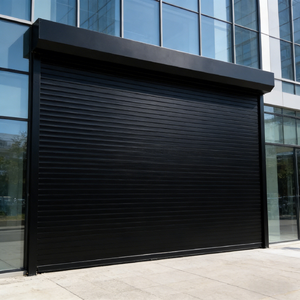
Transparent Roller Shutter Door Polycarbonate Rolling Door for Shop Storefront Aluminum Frame Electric Remote Control Custom
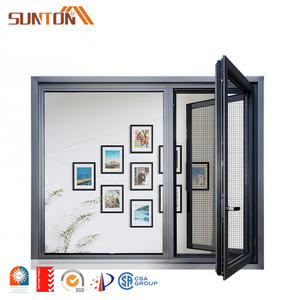
Exterior Sound Proof Aluminium Profiles Window Design French Style Black Aluminum Frame Double Glass Casement windows
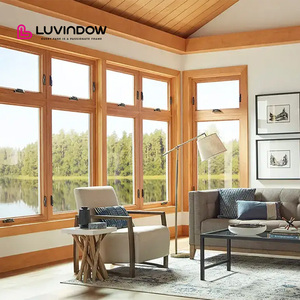
High Quality Hand Crank Aluminum Clad Wood Window Weatherproof Performance for Luxury Villas
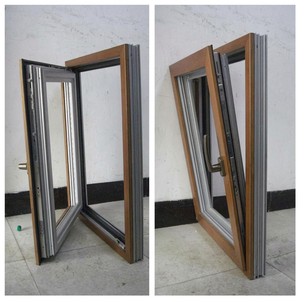
Soundproof Energy Saving Swing Double Glazing Triple Glazed Aluminum Casement Windows for Apartment Passive House Luxury Hotels
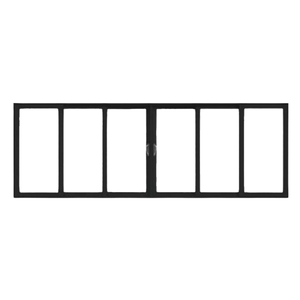
Modern Aluminum Alloy Sliding Patio Door Double Glazed Glass System For Home Office Balcony
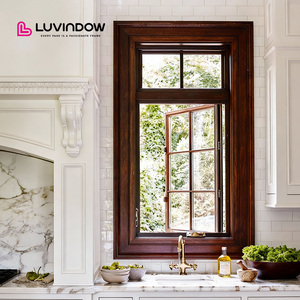
Wholesale Traditional Custom Aluminum Wooden Window Frames Design Tripple Glazed Wood Windows
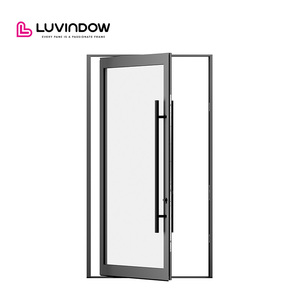
Commercial Storefront Doors Windproof Aluminum Frame Glass Doors With Contemporary Design
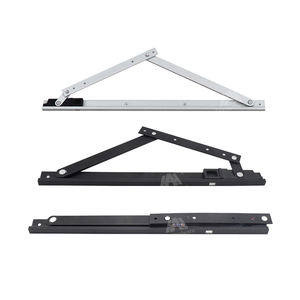
Adjustable Modern Design Top Hung Sliding Window Aluminium Hinges Friction Stay Awning Features for Bedroom Kitchen Application
Why Foshan, China is the Capital of Architectural Aluminum Manufacturing
Sourcing architectural fenestration solutions requires a balance of structural resilience, thermal efficiency, design flexibility, and competitive supply chain integration. BrioWindow Technology Co., Ltd. operates out of Foshan, Guangdong—the epicenter of China's premium aluminum profile extrusion and hardware fabrication industry. By consolidating advanced metallurgical processing, architectural glass tempering, and automated CNC assembly within a localized ecosystem, Foshan manufacturers supply over 40% of the world's commercial and residential architectural aluminum windows and doors.
For international buyers, general contractors, and real estate developers, securing supplies directly from a specialized factory like BrioWindow guarantees compliance with stringent international building codes (including North American NFRC/AAMA, Australian AS2047, and European CE benchmarks). Beyond standard profile supply, modern architectural demands dictate engineering support—translating architectural elevations and floor plans into precisely engineered window schedules, structural wind load calculations, and thermal transfer performance metrics.
High-Strength 6063-T5 Alloy
Extruded from primary aluminum ingots with precision wall thicknesses (1.4mm to 3.0mm) designed to meet elevated wind-load and structural deflection limits.
PA66 GF25 Thermal Barriers
Interlocking glass-fiber reinforced polyamide thermal break strips eliminate cold bridges, drastically reducing thermal conductivity and lowering U-values.
Advanced Surface Coatings
Utilizing electrostatic powder coating, anodizing, and PVDF fluorocarbon processing resistant to corrosion, color fading, and extreme ambient weather.
Future Sourcing Trends in Aluminum Alloy Window Manufacturing
As international energy performance standards tighten and architectural design aesthetics lean toward minimalist sightlines, the manufacturing landscape for aluminum windows and doors is undergoing rapid technical evolution. B2B buyers must align their procurement strategies with four key industry vectors driving the market from 2026 through 2030:
1. Passive House Standard Compliance (Ultra-Low U-Values)
Energy codes across North America and Europe now frequently require overall window U-factors below 0.8 to 1.2 W/m²K. Achieving these thermal metrics requires multi-cavity thermal break extrusions integrated with aerogel insulation strips, warm-edge composite spacers, and argon-gas filled triple or quadruple Low-E glass units. Sourcing from factories with verified thermal simulation software (LBNL THERM/WINDOW) ensures project specs are met prior to bulk manufacturing.
2. Minimalist Architectural Sightlines & Ultra-Narrow Interlocks
Contemporary residential luxury projects favor expansive glass areas with hidden frame profiles. The engineering challenge is maintaining structural rigidity while reducing visible frame widths down to 16mm–25mm at sliding door interlocks. Premier Foshan suppliers achieve this by utilizing structural silicone glazing (SSG) techniques and high-tensile alloy formulations that allow panels up to 4 meters in height to slide effortlessly on heavy-duty stainless steel rollers.
3. Smart Automation & Building System Integration
Motorized fenestration systems are transitioning from luxury add-ons to essential ventilation components in commercial and residential smart buildings. Modern aluminum casement, awning, and pivot doors now incorporate concealed linear actuators, rain sensors, remote access controls, and automated locking systems capable of seamlessly interfacing with KNX, Zigbee, or Crestron building automation networks.
4. Embodied Carbon Reduction & Sustainable Aluminum Sourcing
Environmental Product Declarations (EPDs) are increasingly mandatory in commercial B2B procurement tenders. Leading Chinese window factories are reducing embodied carbon footprints by utilizing recycled scrap aluminum in non-structural components and utilizing solar-powered extrusion lines, enabling real estate developers to score higher LEED and BREEAM sustainability credits.
Engineering Comparison: Architectural System Performance Matrix
To assist procurement managers, architects, and importers in specifying the correct opening type for site-specific requirements, the table below breaks down the technical parameters across standard aluminum window and door categories:
| System Category | Structural Profile Thickness | Thermal Break Tech | Typical Glass Setup | Sound Insulation (STC) | Air / Water Tightness |
|---|---|---|---|---|---|
| Thermal Break Casement | 1.4mm – 2.0mm | PA66 GF25 Polyamide Strip | 5mm + 12Ar + 5mm Low-E Double Glazed | 38 dB – 45 dB | Class 8 (EN 12207 / AAMA) |
| Heavy-Duty Sliding Door | 2.0mm – 3.0mm | Multi-Cavity Insulation | 6mm + 16Ar + 6mm Toughened Double Glazed | 32 dB – 38 dB | Class 6 (High Wind Load) |
| Aluminum Clad Wood | 1.8mm Alum + 68mm Solid Wood | Natural Wood + Air Cavity | 5mm + 18Ar + 5mm Triple Glazed Low-E | 42 dB – 48 dB | Class 9 (Superior Thermal) |
| Narrow-Frame Pivot Door | 2.5mm – 3.0mm | Perimeter Compression Seal | 8mm + 14Ar + 8mm Laminated Safety Glass | 35 dB – 40 dB | Class 5 (Heavy Entrance) |
| Commercial Storefront | 2.0mm – 2.5mm | Non-Thermal / Optional Thermal | 10mm or 12mm Toughened Monolithic/IGU | 28 dB – 34 dB | Class 6 (High Traffic) |
The Standard B2B Procurement Workflow for Overseas Projects
Ordering custom aluminum windows and doors from China requires a transparent, rigorous process to ensure zero field-installation errors. At BrioWindow, we execute every international contract through a six-stage engineering workflow:
1. Architectural Drawing Audit
Clients submit structural elevations, window schedules, and performance targets. Our engineering team reviews wind pressures, water penetration standards, and hardware specifications.
2. Shop Drawing Sign-Off
We generate 2D CAD and 3D BIM shop drawings detailing frame cross-sections, anchorage points, drainage channels, glass bite depths, and wall attachment interface details for approval.
3. Precision CNC Manufacturing
Aluminum profiles undergo automated cutting, corner-crimping, thermal strip insertion, and CNC milling for hardware mortises with sub-millimeter tolerances.
4. Factory Pre-Assembly QC
Frames and sashes are completely pre-assembled in our workshop to test diagonal squareness, hardware operation, gasket compression, and seamless corner joints.
5. Export-Grade Protective Packing
Each unit is wrapped with protective film, foam edge guards, and packed into fully enclosed fumigated plywood crates to withstand ocean container transit.
6. Site Installation Support
We supply labeled components corresponding to window schedules, installation hardware, sub-frame systems, and detailed technical video guidance for local installation crews.
