Casement Micro-Vent
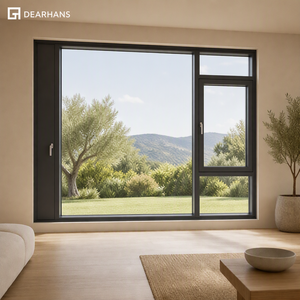
Architectural-grade thermal break aluminium window systems engineered specifically for integrated micro-ventilation, sound attenuation, high wind-load resistance, and water tightness.
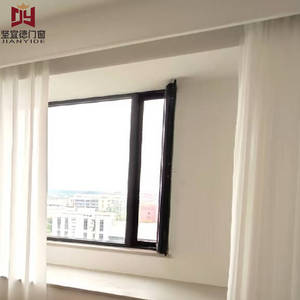
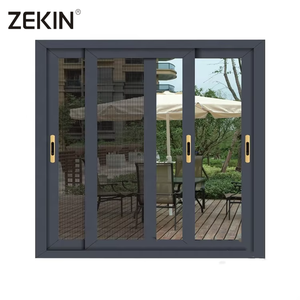
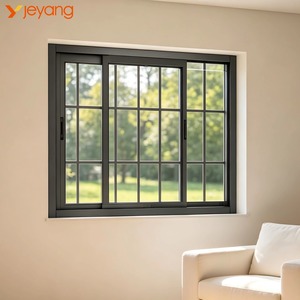
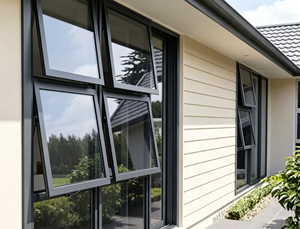
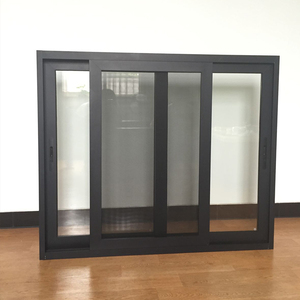
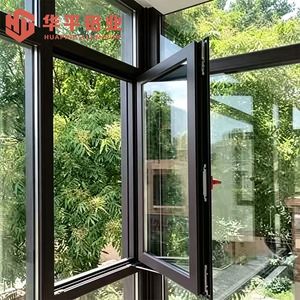
In modern architectural fenestration, the demand for aluminium ventilation windows has transitioned from simple openable sashes to highly engineered, micro-ventilation climate control systems. Modern high-rise residential towers, luxury coastal villas, and commercial office complexes face dual challenges: providing continuous fresh air exchange while maintaining strict thermal envelope integrity, acoustic isolation, and weatherproofing against severe typhoon-grade wind pressure.
Micro-ventilation technology introduces a controlled, narrow gap (typically 3mm to 10mm) along the perimeter profile or via dedicated vertical vent slots embedded within the primary mullion structure. Engineered micro-ventilation casement and sliding windows achieve air filtration through a multi-stage physical airflow loop:
| Ventilation System Type | Acoustic Rating (STC) | Water Tightness (Pa) | Air Infiltration (m³/m·h) | Ideal Architectural Application |
|---|---|---|---|---|
| Left/Right Side Micro-Vent Casement | 42 - 48 dB | 700 - 900 Pa | < 0.5 m³/m·h | Luxury High-Rise Apartments & Hotel Suites |
| Horizontal Swing Micro-Vent Balcony | 38 - 44 dB | 600 - 800 Pa | < 0.8 m³/m·h | Panoramic Residential Balconies & Living Rooms |
| Multi-Chamber Gliding Sliding System | 35 - 40 dB | 450 - 650 Pa | < 1.0 m³/m·h | Commercial Office Buildings & Educational Complexes |
| Top-Hung Awning Triple-Glazed System | 44 - 50 dB | 900 - 1150 Pa | < 0.2 m³/m·h | Coastal Villas & Severe Weather Regions |
The global architectural fenestration market is undergoing rapid evolution driven by energy efficiency standards, smart home integration, and material science breakthroughs.
Next-generation thermal break profiles utilize polyamide 66 reinforced with 25% glass fiber (PA66GF25) combined with aero-gel insulation inserts, lowering U-values below 1.1 W/m²K for ultra-low energy and Passive House construction.
Automated ventilation sashes integrated with indoor IAQ (Indoor Air Quality) sensors automatically adjust micro-opening gaps according to CO₂ concentrations, humidity, and rain detection, interfacing with KNX and Zigbee building management systems.
Multi-point locking mechanisms engineered specifically for ventilation mode. sashes remain securely locked against forced entry (RC2/RC3 European security rating) while maintaining uninterrupted perimeter fresh air flow.
Use of PVDF (Polyvinylidene Fluoride) powder coatings and anodized oxide films tested to ASTM D2244 and ISO 9227 standards, providing 30+ years of resistance against UV radiation, salt-spray corrosion, and chemical degradation.
Transition toward factory-assembled sub-frames with integrated structural sealing tapes, reducing site installation errors and enhancing acoustic seal repeatability across large commercial developments.
Emerging acoustic metamaterial ventilation slots that eliminate specific low-frequency urban noise frequencies (traffic, aircraft) while preserving maximum volumetric airflow through the profile cavity.
As international building codes push toward Net-Zero Energy (NZE) targets, global procurement officers, project developers, and architectural contractors are drastically altering their procurement strategies when sourcing fenestration from China's manufacturing clusters.
Overseas buyers in Western Europe, Australia, and North America are increasingly enforcing carbon footprint disclosures. Major China manufacturers, led by Foshan's premier factories, are incorporating recycled aluminium (low-carbon primary billets) and utilizing solar-powered extrusion lines to satisfy CBAM (Carbon Border Adjustment Mechanism) and LEED certification requirements.
Procurement teams are shifting away from piecemeal sourcing (buying profiles, glass, and hardware separately). Instead, developers demand complete, pre-tested fenestration packages—combining casement micro-ventilation windows, sliding patio doors, curtain wall interfaces, and sunrooms under a unified factory warranty.
Factory verification now demands rigorous structural and thermal testing beyond domestic benchmarks. Leading exporters must substantiate performance with international test protocols including AAMA/WDMA/CSA 101/I.S.2/A440 (North America), AS2047 (Australia), and EN 14351-1 (European Union CE marking).
Headquartered in Foshan, China's premiere aluminium industrial hub (Nanhai District), BrioWindow Technology Co., Ltd. represents over a decade of specialized engineering and export leadership in custom window and door systems.
In-depth responses for architectural specifiers, general contractors, and global importers evaluating Foshan aluminium ventilation window manufacturers.
Connect with BrioWindow's fenestration engineering specialists to review your project drawings, request custom sample profiles, or receive a competitive factory-direct quote.
Send an Inquiry