High-Performance Aluminium Jali & Glazed Door Systems
Explore our export-grade aluminum doors engineered with thermal break profiles, high-tensile security mesh screens, and custom geometric Jali lattice designs.
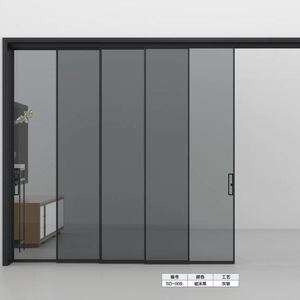
Modern Crittall Style Aluminum Sliding Door Black Frame Industrial Grid Design
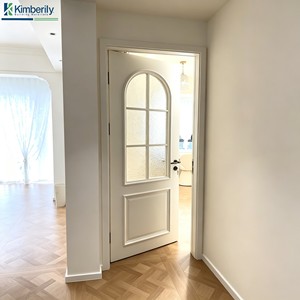
Simple Modern Aluminum Casement Door Smooth Surface Sound Insulated
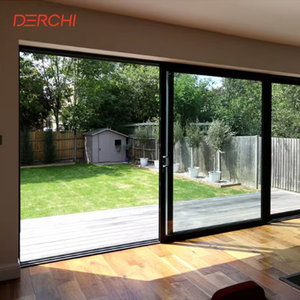
Residential House Sliding Panoramic Tempered Low-E Glass Door System
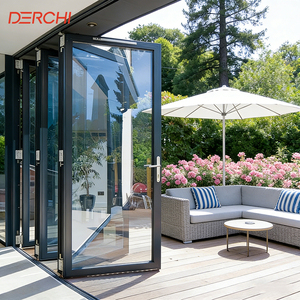
NFRC Aluminium Balcony Accordion Bi-Folding Exterior Door System
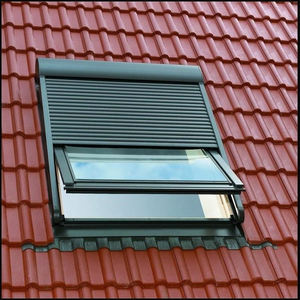
Double Glazed Non-Shatter Roof Sliding Skylight & Aluminium Window System
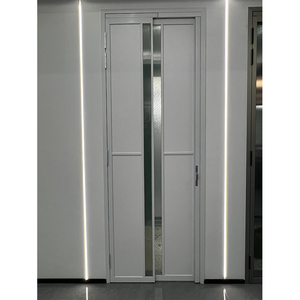
Modern Aluminum & Tempered Glass Folding & Sliding Pocket PD Door
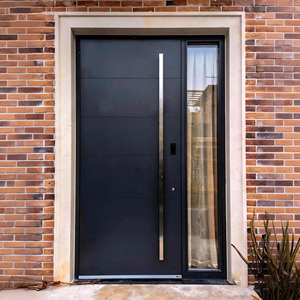
Customized Steel Aluminum Entrance Safety Security Door System
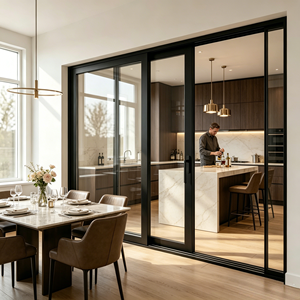
Slim Frame Aluminum Sliding Door with Integrated Windproof Mesh Screen
Engineering Standards for Architectural Aluminium Jali Doors
An in-depth analysis of structural extrusion alloys, mesh security dynamics, thermal performance, and surface weatherability for international architectural projects.
1. Extrusion Metallurgy & Structural Profile Integrity
In modern architectural fenestration, the term "Aluminium Jali Door" (traditionally referencing ornate perforated lattice screens or security grill doors) has evolved into high-performance dual-sash and integrated mesh security systems. Premium manufacturing demands rigid mechanical parameters. At BrioWindow (headquartered in Foshan, China’s primary aluminum industrial ecosystem), structural profiles are extruded utilizing prime AA6063-T6 aluminum alloy.
Unlike secondary recycled scrap profiles that exhibit micro-fractures under stress, AA6063-T6 provides an optimal balance of tensile strength (yield strength ≥ 170 MPa, ultimate tensile strength ≥ 205 MPa) and superior surface anodizing capability. Wall thickness ranges from 1.6mm for standard residential casements to 2.0mm–3.0mm for heavy-duty commercial Jali sliding and pivot entrance doors, fully complying with China’s GB 5237 national standard, North American NFRC guidelines, and Australian AS2047 fenestration codes.
Information Gain Insight: The integration of PA66GF25 (Polyamide 66 reinforced with 25% glass fiber) thermal break strips within Jali mesh profiles prevents thermal bridging, lowering U-values to below 1.8 W/m²K while preserving structural shear strength up to 80 N/mm.
2. Advanced Security Mesh & Laser-Cut Geometric Jaali Systems
The core value of an Aluminium Jali Door lies in its dual capability to offer forced-entry security and insect protection while preserving 65%–85% natural airflow and unhindered light transmittance. BrioWindow incorporates two primary Jali technologies based on project specifications:
- High-Tensile Woven Security Mesh (Crimsafe Class): Manufactured from marine-grade AISI 316 or 304 stainless steel wire with a wire gauge of 0.80mm to 1.0mm in an 11-mesh or 14-mesh weave. The mesh undergoes intense powder coating and is mechanically clamped into the aluminum frame sub-channel using patented wedge retention systems, exceeding shear-knife and impact resistance standards (PAS 24 / AS5041).
- CNC Precision Laser-Cut Architectural Plates: For luxury residential villas, resort developments, and Middle Eastern/South Asian architectural motifs, Jali panels are laser-cut directly from solid 3.0mm–5.0mm aluminum alloy plates. Custom geometric, Islamic star pattern, or modern minimalist grid designs are executed with tolerance accuracy within ±0.1mm.
3. Technical Specification Matrix: Jali Door Series Comparison
Selecting the optimal door system requires matching structural wind load requirements, acoustic attenuation targets, and security ratings. Below is our engineering comparison guide:
| System Series | Frame Depth & Alloy | Jali / Mesh Material | Acoustic Rating (STC) | Air/Water Sealing | Target Application |
|---|---|---|---|---|---|
| Dual-Sash Thermal Break Jali | 120mm / AA6063-T6 (2.0mm) | 304 High-Tensile SS (0.8mm) + Low-E Glass | STC 38 - 42 dB | 700 Pa / EPDM Triple Gasket | Coastal Villas, Extreme Cold/Hot Zones |
| Minimalist Slim-Frame Jali Sliding | 85mm / AA6063-T5 (1.6mm) | High-Clear Stainless Steel Mesh | STC 30 - 34 dB | 450 Pa / Wool Pile Weatherstrip | Modern Patios, Interior Balconies |
| CNC Architectural Laser Jali Door | 65mm Heavy Frame (2.5mm) | 3.0mm Solid Laser-Cut Plate | STC 28 - 32 dB | 350 Pa / Perimeter Compression Seal | Main Entrance Gates, Feature Villa Doors |
| Crittall Style Industrial Grid Jali | 50mm Slim Profile (1.8mm) | Integrated Aluminum Grille + Double Glaze | STC 35 - 40 dB | 600 Pa / Dual EPDM Seal | Urban Loft, Commercial Office Partition |
4. Enterprise Advantages: Why Source from BrioWindow Foshan?
BrioWindow Technology Co., Ltd. operates out of Denggang Community, Lishui Town, Nanhai District, Foshan City—the recognized core of global architectural aluminum manufacturing. Choosing an experienced manufacturer directly impacts project timeline, build compliance, and long-term structural reliability.
Foshan Ecosystem Pricing Efficiency
Direct integration with raw billet foundries, hardware manufacturers, and glass processing plants in Foshan allows us to cut intermediary costs by 15%–25% while maintaining strict metallurgy standards.
30-Year Warranty & Global Compliance
Every Jali door leaves our factory with complete quality assurance documentation. Our window and door systems undergo rigorous laboratory testing conforming to US NFRC, European CE, and Australian AS2047 fenestration standards.
Full Custom OEM/ODM Engineering
Our in-house CAD/BIM engineering team converts structural blueprints into detailed shop drawings, analyzing wind pressure resistance (up to 5000 Pa) and acoustic sealing before mass production.
AkzoNobel & PVDF Surface Treatments
Extrusions are treated with 60–80 micron AkzoNobel electrostatic powder coating or 3-coat PVDF fluorocarbon finishes, guaranteeing zero color fading, chalking, or salt-spray corrosion for over 25 years.
5. Future Sourcing & Procurement Trends for Aluminium Jali Doors (2026–2030)
As international building codes tighten around energy efficiency, security, and smart building automation, procurement managers must anticipate changing market dynamics. Key procurement trends shaping the next 5 years include:
Trend 1: Smart IoT Mesh & Sensor Integration
Next-generation Jali doors are moving beyond passive physical barriers. Modern installations incorporate invisible magnetic contact sensors, biometric multi-point locking handles, and automated motorized sash operators that sync with smart home HVAC systems for automatic natural cooling.
Trend 2: Ultra-Narrow Sightlines with Concealed Frames
Architectural demand is leaning toward "less frame, more view." High-tensile stainless steel Jali mesh panels are now engineered with micro-interlock widths under 18mm, allowing flush floor-to-ceiling embedding without compromising wind load structural integrity.
Trend 3: Dual-Cavity Thermal & Solar Control Glazing
In regions like Australia, North America, and the Middle East, Jali security mesh sashes are increasingly combined with Argon gas-filled Low-E double glazing. This triple-layer barrier blocks up to 78% of solar thermal heat while providing unbreachable security.
Trend 4: Carbon-Neutral Extrusions & Green Certifications
Leading commercial buyers prefer suppliers utilizing low-carbon primary aluminum smelted with hydropower, paired with VOC-free powder coatings compliant with LEED and WELL building standards.
6. Sourcing & Technical Procurement FAQs
Addressing key operational, technical, and shipping questions commonly raised by B2B importers, architects, and contractors.
What makes an Aluminium Jali Door superior to traditional iron or wooden mesh doors?
How does BrioWindow ensure structural wind load compliance for high-rise installations?
Can custom laser-cut Jali grill patterns be produced from architectural CAD drawings?
What are the typical lead times, MOQ, and export packaging specifications?
What after-sales and technical installation support does BrioWindow supply overseas?
How should buyers prepare their project schedule before requesting a quote?
Ready to Source High-Performance Aluminium Jali Doors?
Partner with Foshan’s premier door and window manufacturer. Connect with our senior structural engineers today for full architectural catalogs, custom CAD drawings, and factory-direct wholesale pricing.
Get Catalog