Engineering Excellence Product Showcase
Explore our export-grade architectural aluminium window and door systems, manufactured in Foshan and certified for high wind loads, thermal isolation, and structural longevity.
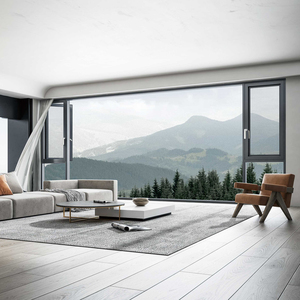
Thermal Break Casement Aluminum Windows With 27A Double Glazed Glass, Energy Efficient Awning Window
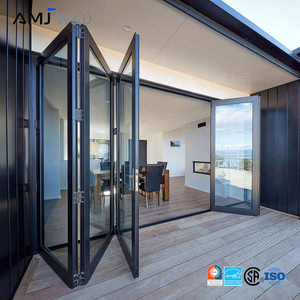
Balcony Accordion Bifold Door Design Exterior Aluminum Alloy Tempered Glass Folding Patio Doors
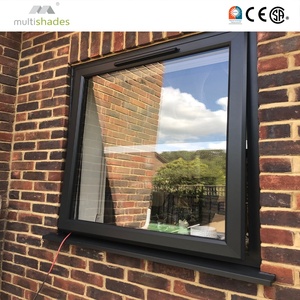
Multishades Global Hot Sale High Quality Modern Aluminium Windproof Awning Windows
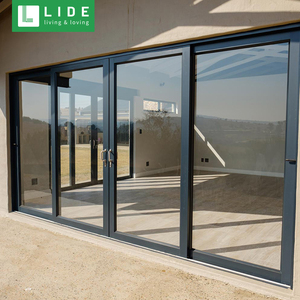
Contemporary Style Porch Living Room Glazed Exterior Aluminium Sliding Door System
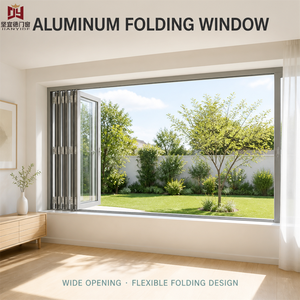
Aluminum Horizontal Folding Glass Window For Indoor Patio Residential Projects Custom Double Glazed
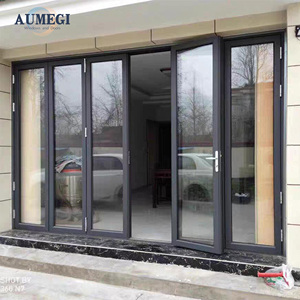
Aumegi Windproof Folding Aluminum Frame Glass Stack Bifold Door Concertina Patio System
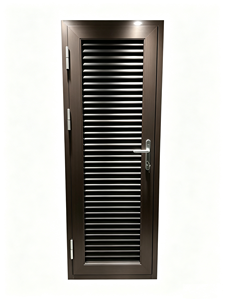
Fixed Aluminum Louver Door Durable Dark Brown Anti-deform Architectural Interior & Exterior Door
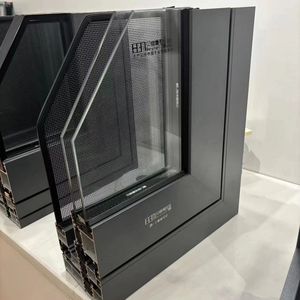
Modern Double Glazed Aluminium Casement Windows Soundproof Tempered Glass For Villas & Hotels
1. Architectural Engineering Overview: The Rise of Foshan High-Performance Fenestration
In contemporary architectural design, fenestration is no longer treated merely as a physical barrier separating internal living spaces from external environments. Today, windows and door envelope systems are considered sophisticated, multi-functional energy management devices. As global building energy codes tighten across North America (NFRC/ENERGY STAR), Australia (AS2047/AS1288), and Europe (CE EN 14351-1), specifying structural fenestration requires an in-depth understanding of material science, structural load dynamics, and thermal insulation engineering.
Situated in Nanhai District, Foshan City, Guangdong Province, BrioWindow Technology Co., Ltd. operates at the epicentre of China's premium aluminum profile manufacturing ecosystem. Foshan's industrialized supply chain allows for unprecedented metallurgical control, enabling us to engineer structural aluminum profiles utilizing high-tensile 6063-T5 and 6063-T6 alloys. By pairing precision multi-cavity aluminum extrusions with advanced polyamide (PA66-GF25) thermal breaks and low-emissivity (Low-E) multi-layer glass assemblies, top-tier Chinese manufacturers now deliver performance metrics that match or exceed Western European counterparts at optimized capital expenditure ratios.
This technical whitepaper outlines the structural parameters, procurement criteria, and material innovations that define top-tier export-grade architectural glazing systems sourced directly from China's leading fenestration factories.
2. Technical Performance Matrix: System Specifications & Lab Test Benchmarks
Selecting the correct glazing specification demands precise baseline metrics for wind load resistance, air permeability, water tightness, and sound transmission loss. Below is the standard baseline performance envelope engineered across BrioWindow’s primary export lines:
| Performance Standard | Technical Metric / Rating | International Standard Benchmark | Engineering Solution Applied |
|---|---|---|---|
| Wind Pressure Resistance | Class 8 (up to 5,000 Pa / KPa Limit) | ASTM E330 / AS2047 / EN 12210 | 6063-T6 Reinforced Profile Walls (2.0mm–3.0mm) |
| Thermal Transmittance (U-Value) | 1.2 – 1.8 W/m²·K (0.21 – 0.31 BTU/h·ft²·°F) | NFRC 100/200 / ISO 10077-2 | PA66-GF25 Polyamide Strips + Argon Triple Glazing |
| Water Penetration Resistance | Class 6 (700 Pa Static Head) | ASTM E331 / AS4420.5 / EN 12208 | Multi-stage Sub-Sill Drainage + EPDM Gasket Cascades |
| Acoustic Attenuation (STC) | STC 38 dB – 45 dB Sound Reduction | ASTM E90 / ISO 717-1 | Laminated PVB Acoustic Glass + Asymmetric Air Cavities (27A) |
| Air Infiltration Rate | < 0.1 L/s·m² at 75 Pa | ASTM E283 / AS4420.2 / EN 12207 | Multi-point Continuous Perimeter Locking (CMECH/Siegenia) |
Every profile geometry is algorithmically verified via Finite Element Analysis (FEA) to ensure structural deflection stays strictly under L/175 or L/240 during peak wind loading conditions, protecting large glass spans against thermal stress fracture and seal degradation.
3. Architectural Evolution & Technological Trends (2025–2030)
The global fenestration market is undergoing a structural transition driven by decarbonization mandates and modern architectural aesthetics. Procurement directors must anticipate the following key evolution vectors when specifying systems for high-end residential and commercial projects:
Ultra-Slim Interlocks & Panoramic Sightlines
Architects are increasingly specifying narrow-frame sliding systems with interlock stiles as slim as 16mm to 25mm. Achieving structural strength with minimal sightlines requires high-moment-of-inertia aluminum alloys combined with structural glazing adhesives.
Smart Motorization & Building Automation (BMS)
Integration of concealed linear actuators, rain/wind sensors, and smart home protocols (Zigbee, Matter, KNX) allows automated air exchange, solar shading louvers, and motorized pivot entrance doors operating smoothly via biometrics.
Warm-Edge & Vacuum Insulated Glass (VIG)
Replacing conventional aluminum spacer bars with composite stainless-steel warm-edge spacers reduces thermal bridging at glass perimeters by up to 60%. Transitioning toward thin-cavity Vacuum Insulated Glass achieves U-values down to 0.4 W/m²K.
4. Global B2B Procurement Strategy: Navigating Supply Chains & Quality Control
Procuring architectural windows and doors directly from Chinese exporters offers substantial cost efficiencies, but it requires a structured procurement protocol to ensure compliance with destination port building regulations. Strategic buyers utilize a 5-step risk-mitigation framework:
- Algorithmic Shop Drawing Verification: Before raw material extrusion begins, detailed cross-sectional shop drawings (CAD/BIM) detailing frame anchors, flashing fins, glass thickness, and thermal break alignments must be formally approved.
- Surface Coating Specification: Specify coatings based on microclimates. For inland projects, Electrostatic Powder Coating (Qualicoat Class 2) provides superior scratch resistance. For coastal or high-UV environments, specify Fluorocarbon (PVDF / Kynar 500) 3-coat system to resist salt-spray corrosion (ASTM B117 tested >3,000 hours).
- Hardware System Harmonization: To guarantee smooth long-term operation, specify world-class hardware systems such as German Siegenia / HOPPE / Roto or top-grade customized heavy-duty stainless-steel 304 multi-point locking hardware.
- Factory Acceptance Testing (FAT): Enforce mock-up assembly tests in the factory to verify sash operation torque, gasket compression uniformity, water drainage path clear-outs, and diagonal squareness tolerance within ±1.0mm.
- Export Packaging & Ocean Transport Protection: Require multi-layer protection: protective surface film, EPE foam wrapping, corner guards, and fully sealed fumigated plywood crates with silica gel desiccants to eliminate condensation stains during container transit across climate zones.
5. Enterprise Capabilities: Why Partner with BrioWindow Technology Co., Ltd.
As a premier Foshan-based manufacturer, BrioWindow Technology Co., Ltd. combines specialized manufacturing capacity with end-to-end export technical support. Our enterprise advantages stem from over a decade of dedicated engineering:
Integrated Manufacturing Ecosystem
Spanning multi-axis CNC machining centers, automated corner-crimping lines, and automated glass insulating lines, we maintain complete internal quality control over every fabricated sash and frame assembly.
Comprehensive Product Range
One-stop supplier accountability: Thermal break casement windows, awning windows, ultra-slim patio sliding doors, heavy-duty bifold doors, central axis pivot doors, fixed louver systems, PVC windows, wooden doors, sunrooms, and unitized curtain walls.
30-Year After-Sales Quality Assurance
We stand behind structural integrity with a 30-year warranty program, supported by detailed digital installation guides, spare parts availability, and remote engineering troubleshooting for overseas developers.
Our export engineering team routinely collaborates with architects, building contractors, and real estate developers across the United States, Canada, Australia, Europe, and over 60 countries worldwide, ensuring seamless compliance with local code requirements.
6. Frequently Asked Questions (FAQ) for Global Buyers & Importers
What specific door and window systems does BrioWindow manufacture?
We specialize in thermal break aluminum casement, awning, sliding, bifold, tilt-and-turn, and louver windows and doors. Additionally, our production matrix includes central axis pivot entrance doors, smart motorized fenestration, PVC windows/doors, wooden interior doors, fire-rated doors, sunrooms, and structural glass curtain walls.
Which primary export markets do you serve, and are products certified locally?
Our key export destinations include North America (USA, Canada), Australia, New Zealand, Europe, and over 60 international regions. Our structural profiles and glazing assemblies are engineered to meet NFRC, AS2047, AS1288, and CE structural and thermal standards upon project specification.
Can BrioWindow manufacture custom sizes based on architectural CAD drawings?
Yes, 100% of our production is customized. Our structural engineering team evaluates your architectural drawings or schedule of openings, performs wind-load and thermal calculations, and submits clear CAD shop drawings for approval prior to material processing.
What crucial technical details should I provide to get an accurate estimate?
To provide a detailed quotation, please share: 1) Project location & structural wind-load requirements; 2) Opening schedule/sizes; 3) Preferred opening configuration (sliding, casement, bifold); 4) Glass specification (double/triple, Low-E type, argon fill, tint); 5) Frame finish (powder coat vs PVDF color code); and 6) Target delivery schedule.
How do you prevent glass dewing and condensation in cold climates?
We mitigate condensation by pairing multi-cavity polyamide (PA66-GF25) thermal break profile strips with warm-edge insulated glass units (IGUs) filled with 90%+ pure argon gas. This keeps the internal profile surface temperature safely above the dew point even under extreme ambient winter temperatures.
What warranty and after-sales support guarantees are provided?
We provide a comprehensive 30-year quality assurance warranty covering profile structural integrity, alongside multi-year warranties on glass seals and hardware finishes. We supply replacement hardware components, installation shop details, and full virtual engineering support.
Ready to Engineer Your Project's Fenestration Strategy?
Consult directly with our Foshan export engineering team to receive custom shop drawings, factory-direct wholesale pricing, and technical performance certifications.
Inquire Now