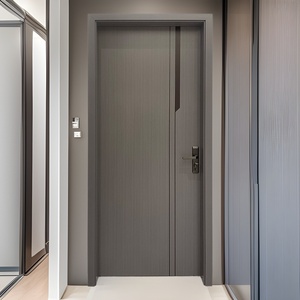
Direct Factory Catalogue
Featured Aluminium Doors & Windows Systems
Explore engineered structural fenestration solutions tested to international standards for commercial, residential luxury, and architectural developments.
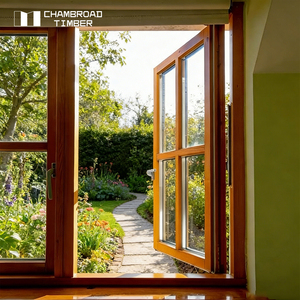
Custom Made Solid Modern Wood Casement Window Premium Wood Frame windows For Villa House and Luxury Projects
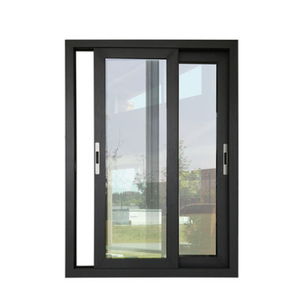
High-quality Aluminum Alloy Sliding Window with Modern Design Frame for Villa Use
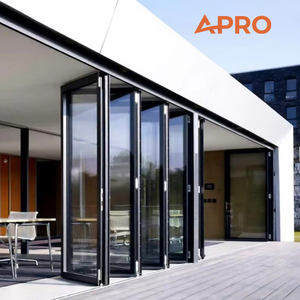
APRO Aluminium Folding Door Price Thermal Break Glass Bifold Door Exterior Patio Bifold Door
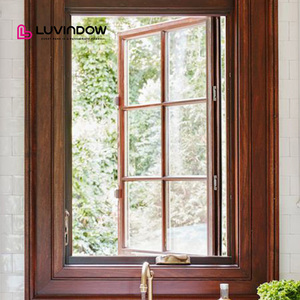
Luvindow Historic Home Wooden Windows For Replacement Low-E Glass Aluminum Clad Wood Tilt Turn Windows
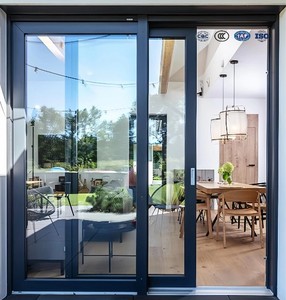
Modern Aluminum Alloy Sliding Windows And Doors With Tempered Glass Soundproof Exterior Use
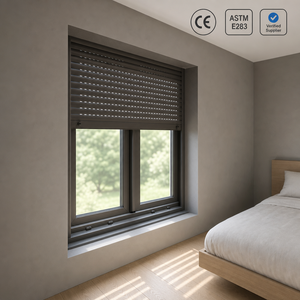
Rainproof Louver Window Aluminium Adjustable Blade Storm Resistant Shutter Window for Villa Garden House
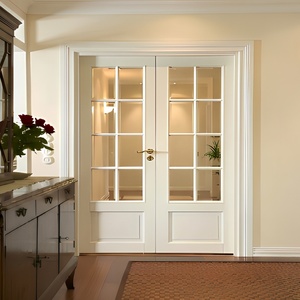
PDP Hurricane Impact Aluminum Alloy Waterproof Minimalist Exterior & Interior Casement French Doors High-Transparency Screen
Technical White Paper & Sourcing Framework
Navigating China’s Aluminium Bifold Patio Door Manufacturing Landscape
Selecting a premier Chinese manufacturer for architectural aluminium bifold patio doors requires a thorough analysis of metallurgical standards, thermal break mechanics, structural wind-load tolerances, hardware fatigue life, and system weatherization. As global energy building codes (such as ASHRAE 90.1, Title 24, and the EU Energy Performance of Buildings Directive) tighten, architectural specifiers and property developers can no longer rely on aesthetic appeal alone. Modern bifold systems must perform seamlessly under demanding structural pressures while preserving indoor climate integrity.
1. Metallurgical Composition & Extrusion Precision
The structural performance of an exterior bifold door begins at the billet level. Top-tier Foshan suppliers, such as BrioWindow Technology Co., Ltd., utilize high-grade 6063-T5 or 6060-T66 primary aluminium alloys. Unlike secondary recycled scrap aluminium—which often contains trace impurities leading to micro-cracking under stress—primary 6063-T5 extrusions deliver high tensile strength (≥160 MPa) and yield strength (≥110 MPa).
Wall thickness is a vital parameter for commercial and coastal installations. Standard domestic profiles may measure 1.4mm to 1.6mm, whereas heavy-duty exterior bifold patio doors specified for wind-borne debris zones (such as hurricane-prone regions in the US or Australia's AS2047 standard) mandate structural frame wall thicknesses ranging between 2.0mm and 3.0mm. This structural rigidity prevents frame deflection when handling tall door sashes up to 3.5 meters in height.
Technical Benchmark Note:
Thermal expansion calculations are critical for wide-span bifold configurations exceeding 6 meters. Aluminium has a thermal expansion coefficient of approximately 23 × 10⁻⁶ /K. High-end Foshan factories integrate structural expansion jambs and flexible perimeter EPDM boots to absorb thermal movement without causing panel bind or seal failure.
2. Thermal Isolation Engineering: Polyamide PA66-GF25 vs. Pour-and-Debridge
The energy efficiency of an exterior patio bifold system hinges on its thermal barrier design. Non-thermal break aluminium profiles exhibit high thermal conductivity ($k \approx 200 \text{ W/m}\cdot\text{K}$), leading to rapid heat gain in summer and condensation in winter. To solve this, leading Chinese factories incorporate structural thermal breaks.
- Polyamide Strut Systems (PA66-GF25): The gold standard in high-end bifold doors. Utilizing 25% glass fiber reinforced Polyamide 66 strips inserted into twin extrusion tracks, this system offers superior mechanical shear strength and withstands thermal cycling from -40°C to +80°C. Strip widths vary from 14.8mm to multi-cavity 34mm strips, achieving overall system U-factors down to 1.2 to 1.6 W/m²K when paired with low-E insulated glass units (IGUs).
- Multi-Cavity Thermal Profiles: Advanced designs feature polyurethane foam insertion (such as Aerogel or expanded polyolefin) inside the polyamide cavities to disrupt radiative and convective heat transfer inside the frame.
| System Parameter | Standard Aluminium Profile | Thermal Break PA66-GF25 (Standard) | Ultra-Performance Passive House Bifold |
|---|---|---|---|
| Frame Thermal Conductivity (Uf) | ~6.5 W/m²K | 2.2 - 2.8 W/m²K | 1.0 - 1.4 W/m²K |
| Glazing Compatibility | 5mm - 20mm Single/Double | 24mm - 32mm Double Low-E | 38mm - 48mm Triple Low-E Argon |
| Acoustic Insulation (STC) | 25 - 28 dB | 35 - 40 dB | 42 - 48 dB |
| Air Infiltration (ASTM E283) | Level 2 (Standard) | Class A1 / Level 4 | Super Air-Tight (<0.1 cfm/ft²) |
| Hardware Weight Capacity | Up to 100 kg / Panel | Up to 150 - 250 kg / Panel | Heavy-Duty Carrier System (300kg+) |
3. Carriage Hardware, Track Kinematics & Roller Metallurgy
A bifold patio door system is only as durable as its running gear. Panel sagging, rough sliding action, and premature track wear are the most common failures in low-grade hardware setups. Top Foshan suppliers partner with premier hardware manufacturers (such as Siegenia, Hoppe, Monticelli, or custom engineered stainless-steel proprietary assemblies) to ensure effortless glide performance across tens of thousands of cycles.
Quad Stainless Rollers
Precision-machined SUS304/SUS316 sealed bearings wrapped in quiet polymer shells prevent track gouging and resist coastal saltwater corrosion.
Multi-Point Locking
Top-and-bottom shoot-bolt mechanisms integrated with stainless steel gearboxes deliver anti-lift security and high weather seal compression.
Subterranean Drainage
Flush zero-step sills utilize integrated weep-hole check valves and hidden sub-flashing tracks to prevent water ingress during torrential rains.
4. Weatherproofing Seals & Glazing Technology
Exterior bifold patio doors must withstand driving rain and high atmospheric pressures. Leading manufacturers avoid cheap PVC weatherstripping, which degrades, stiffens, and cracks under UV exposure. Instead, high-grade systems mandate continuous EPDM (Ethylene Propylene Diene Monomer) gasket seals or thermoplastic vulcanizate (TPV) seals around panel perimeters and interlocks.
Regarding glass configurations, safety and thermal optimization are paramount. Common specifications include:
- Double Tempered Low-E Insulated Glass: 6mm Low-E + 12Ar (Argon Gas filled space with warm-edge spacer) + 6mm Clear Tempered Glass.
- Hurricane Impact Laminated Glass: 6mm Tempered + 1.52mm PVB/SGP Interlayer + 6mm Tempered, tested to withstand missile impact criteria for coastal building codes.
- Acoustic Laminated Glazing: Acoustic PVB layers designed to attenuate airborne sound up to STC 42+, ideal for urban environments or hospitality applications.
Market Forward & Innovation Horizon
Future Procurement Trends for Aluminium Bifold Door Systems
As global architectural design shifts toward seamlessly blurring interior and exterior living environments, the engineering requirements for bifold patio doors are evolving rapidly. B2B buyers, architects, and importers should align their procurement strategies with several key innovations set to dominate the market between 2025 and 2030.
Trend 01
Ultra-Narrow Sightlines & Minimalist Profiles
Traditional bifold door stiles measured between 110mm and 140mm in width. Future-ready factories in Foshan are engineering ultra-slim vertical interlocks as narrow as 28mm to 45mm. Achieving structural integrity with minimalist profiles requires high-yield alloy formulations and structural silicon glazing techniques where the glass acts as a load-bearing element.
Trend 02
Smart Building & Motorized Actuation Integration
Heavy multi-panel bifold systems are increasingly being retrofitted with hidden motorized actuators, smartphone app connectivity, and automated rain sensors. Automated dynamic locking and integration with modern Smart Home Automation protocols (such as Zigbee, Matter, and KNX) are becoming standard requests for luxury residential developments.
Trend 03
Zero-Barrier Universal Accessibility Sills
Building codes worldwide are mandating barrier-free transitions (ADA compliance). Advanced bifold door suppliers are pioneering completely flush sill tracks featuring sub-floor drainage channels and magnetic pop-up weather seals that seal tightly when the door closes and drop flat when opened.
Trend 04
Decarbonized Aluminium & Sustainable Manufacturing
Environmental, Social, and Governance (ESG) compliance is becoming a critical procurement vector. European and North American buyers are demanding Environmental Product Declarations (EPDs). Foshan manufacturers are responding by shifting toward low-carbon aluminium smelted with hydroelectric power and adopting eco-friendly chrome-free powder coating lines.
Enterprise Excellence
Why BrioWindow Technology Co., Ltd. leads Foshan Fenestration
Headquartered in Nanhai District, Foshan City—the world's undisputed capital of aluminium profile extrusion and architectural door and window production—BrioWindow Technology Co., Ltd. stands as a premier OEM/ODM manufacturer specializing in high-performance structural systems.
With over a decade of dedicated export experience, our products are engineered specifically to comply with stringent regional building codes across the United States, Canada, Australia, Europe, and over 60 international markets.
✓
Rigorous Laboratory Quality Testing:
Every door system undergoes static air pressure, water penetration resistance, and structural load deflection testing before mass production.
✓
30-Year After-Sales Quality Assurance:
We back our thermal break profiles, surface anodizing, and powder coatings with an industry-leading comprehensive quality assurance framework.
✓
Full Engineering Drawing & CAD Support:
Our in-house technical team reviews architectural elevation drawings, window schedules, and site conditions to provide custom shop drawings before cutting material.
Manufacturing Capabilities Snapshot
- Factory Location Lishui, Nanhai, Foshan, China
- Core Product Portfolio Aluminium Bifold, Sliding & Casement
- Surface Finishes AkzoNobel Powder, Anodized, Fluorocarbon
- Primary Overseas Markets USA, Canada, Australia, Europe
- Certification Standards AS2047, NFRC, CE, ISO9001
- Customization Options Complete OEM/ODM Service
Clear Answers for Professional Buyers
Frequently Asked Sourcing & Technical Questions
Key information for architects, general contractors, developers, and door importers negotiating with Chinese factories.
What doors and windows does BrioWindow manufacture in Foshan? ▼
We manufacture a comprehensive range of architectural fenestration products, including aluminium alloy folding (bifold) doors, ultra-slim sliding doors, heavy-duty swing doors, casement and tilt-and-turn windows, central axis pivot entrance doors, smart motorized opening windows, PVC doors and windows, wooden doors, fire-rated doors, sunrooms, and unitized aluminum curtain walls.
How do Foshan aluminium bifold patio doors perform under severe wind load and coastal weather? ▼
Our exterior bifold doors are engineered using structural 6063-T5/T6 aluminium profiles with wall thicknesses up to 3.0mm. Combined with multi-point locking gear, stainless steel shoot-bolts, continuous EPDM gasket sealing, and hurricane-impact laminated glass options, our systems are certified to meet high design pressure (DP) benchmarks and wind load resistance compliant with Australian AS2047 and American AAMA standards.
Which international export markets does BrioWindow primarily serve? ▼
Our primary export markets are North America (United States and Canada) and Oceania (Australia and New Zealand). However, we regularly ship custom container-load orders to over 60 countries across Europe, the Middle East, Southeast Asia, and South America, handling full export documentation and sea-freight packaging compliance.
Can you manufacture bifold doors according to custom architectural drawings and job site dimensions? ▼
Yes, 100% of our production is customized. Our engineering department reviews your architectural elevation schedules, CAD files, or rough site opening measurements. We generate precise shop drawings specifying profile series, thermal break configurations, glass buildup, hardware selection, and RAL powder coat colors for formal sign-off prior to extrusion cutting.
What critical information should I prepare before requesting a quote? ▼
To receive an accurate engineering proposal and wholesale estimate, please share:
(1) Project location and building type;
(2) Door opening schedules or architectural drawings;
(3) Desired opening direction (inward/outward folding) and panel quantity;
(4) Glass performance requirements (Low-E, double/triple pane, laminated impact glass);
(5) Preferred surface finish and color; and
(6) Destination seaport and target delivery timeline.
What export packaging standards are used to prevent shipping damage? ▼
All window and door frames are wrapped in protective PE film, corner guards, and heavy-duty corrugated cardboard. Glass panels and pre-assembled frames are packed inside fully enclosed fumigation-free plywood crates equipped with foam spacers and air-cushioning. Crates are banded and loaded into sea containers with moisture desiccant bags to prevent corrosion during long ocean transit.
What after-sales support and quality guarantees do you provide overseas clients? ▼
We provide a comprehensive 30-year after-sales quality assurance covering profile structural integrity and surface coatings, alongside warranties on hardware gear and glass seals. We supply comprehensive installation instruction manuals, video tutorials, and live video engineering assistance to guide your site installation team.
Ready to Engineer Your Bifold Patio Door Project?
Connect directly with our senior engineering team in Foshan. Get professional CAD drawing reviews, thermal calculation reports, and factory-direct wholesale pricing for your commercial or residential project.
