Featured CE Certified Commercial Shopfront Systems
Explore our top-tier commercial aluminum storefront entrance solutions, rigorously tested for air permeability, wind load resistance, and structural durability across heavy-traffic retail and architectural environments.
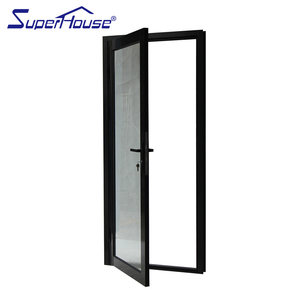
Superhouse Modern Single Exterior Aluminum Door Commercial Glass Storefront for Hotel Applications
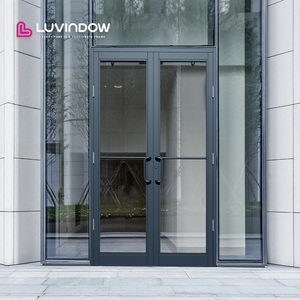
Luvindow Comprehensive Aluminum Storefront Door System Engineered Specifically for High-end Projects
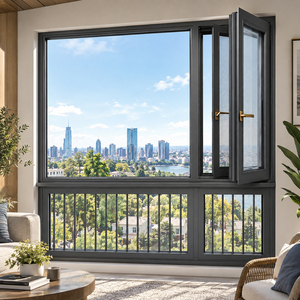
Custom Aluminum Storefront Doors and Windows Glass Entrance Systems for Retail Shops & Restaurants
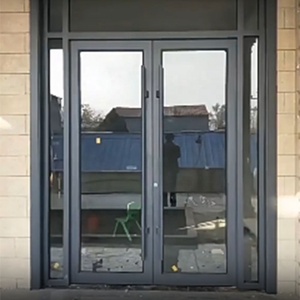
Heavy-Duty Secure Commercial Aluminum Casement Door For Shopping Malls & Retail Spaces
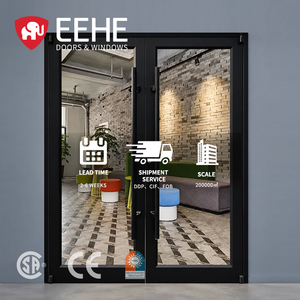
EEHE Aluminum Double Entrance Door CE Certified Aluminum Alloy Commercial Swing Doors
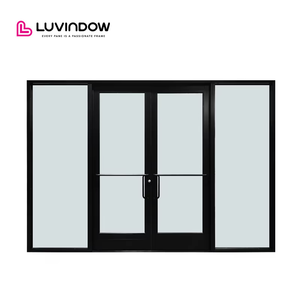
Customizable Aluminum Commercial Door Modern Glass Wall Exterior Entrance Door
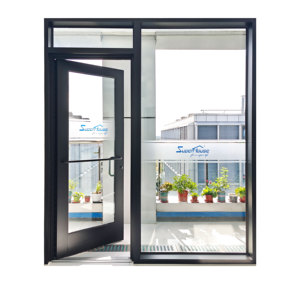
Commercial Storefront Hurricane Swing Door High Wind Pressure Impact Resistant Glass Door
Custom Made Modern French Waterproof Glass Partition Doors Finished Aluminum Outdoor Entry Doors
Engineering Whitepaper: Structural & Thermal Standards of CE Certified Shopfront Doors
In modern commercial architecture, entrance systems represent the primary intersection of building physics, structural safety, brand presentation, and thermal efficiency. CE Certified Aluminum Shopfront Doors manufactured by BrioWindow Technology Co., Ltd. are engineered to address the rigorous requirements of European Norms (EN) and North American structural codes. CE marking under EN 14351-1 (External pedestrian doorsets without fire resistance and/or smoke leakage characteristics) guarantees that every fenestration assembly conforms strictly to mandatory European environmental and safety directives.
The structural skeleton of our shopfront systems utilizes primary 6063-T5 and 6063-T6 high-tensile extruded aluminum alloys, featuring wall thicknesses ranging from 2.0mm to 3.0mm depending on mullion spans and wind load calculations. The material's mechanical properties provide a minimum yield strength of 170 MPa, enabling structural resistance against intense physical impacts, sustained high wind pressures, and constant thermal expansion cycles common in commercial facades.
Thermal management within modern shopfront entrances is achieved through integrated polyamide barrier technology (PA66GF25 - 25% glass fiber reinforced nylon). By separating interior and exterior aluminum profiles with continuous structural thermal breaks, overall thermal transmittance values ($U_f$) are minimized down to 1.4 W/m²K when combined with argon-filled, double or triple Low-E insulated glazing units (IGUs). This prevents thermal bridging, reduces internal condensation risks, and assists commercial property developers in achieving LEED and BREEAM sustainability ratings.
BrioWindow Technology: Foshan Manufacturing Capabilities
Based in Nanhai District, Foshan—the global powerhouse of high-grade aluminum profiling—BrioWindow Technology Co., Ltd. integrates advanced CNC machining, continuous anodizing, and automated assembly line controls.
Integrated OEM/ODM Production
From architectural CAD drafting to custom aluminum extrusion die creation, our Foshan factory manages end-to-end bespoke door production with precision tolerances within ±0.5mm.
Qualicoat & Qualanod Finishes
Surface coatings undergo strict salt-spray testing exceeding 2,000 hours. Options include Qualicoat Class 2 fluorocarbon (PVDF) painting and continuous electrolytic anodizing (15-25 microns).
Global Export & Logistical Security
Exporting to 60+ countries including North America, Europe, and Australia. Heavy steel-frame wooden crating guarantees zero glass vibration or frame deformation during oceanic transit.
Comparative Engineering Matrix: Commercial Entrance Door Configurations
Selecting the optimal shopfront system requires analyzing structural loads, thermal performance requirements, and hardware durability. The data matrix below provides a clear benchmark between non-thermal, thermal-break, and hurricane-rated commercial swing/sliding door systems.
| Performance Parameter | Standard Non-Thermal Shopfront | Thermal Break Commercial Swing | Hurricane Impact Storefront |
|---|---|---|---|
| Aluminum Alloy Profile | 6063-T5 (2.0mm thickness) | 6063-T5 / T6 (2.5mm thickness) | High-Tensile 6063-T6 (3.0mm thickness) |
| Thermal Transmittance ($U_f$) | ~ 4.5 W/m²K | 1.4 - 2.1 W/m²K (PA66GF25 strip) | 1.8 - 2.4 W/m²K |
| Air Permeability (EN 12207) | Class 2 (300 Pa) | Class 4 (600 Pa) | Class 4 (600 Pa) |
| Water Tightness (EN 12208) | Class 5A (200 Pa) | Class 9A (600 Pa) | Class E1050 (1050 Pa) |
| Wind Load Resistance (EN 12210) | Class C3 (1200 Pa) | Class C4 (1600 Pa) | Class C5 (> 2400 Pa / Hurricane Zone) |
| Glazing Compatibility | 6mm - 12mm Monolithic Tempered | 24mm - 32mm Double/Triple Low-E | 17.5mm+ Laminated Impact SGP Glass |
| Hardware Cycle Rating | 200,000 Cycles | 500,000 Heavy Duty Cycles | 1,000,000 Continuous Commercial Cycles |
Global Procurement & Development Trends in Commercial Glazing (2025–2030)
The global market for commercial shopfront doors is undergoing a rapid paradigm shift driven by stringent decarbonization policies, smart building automation, and extreme weather resilience mandates. Corporate real estate buyers, general contractors, and facade engineers must navigate four key technological trends when sourcing commercial aluminum doors:
1. Decarbonization & Low-Carbon Aluminum Sourcing
With Environmental Product Declarations (EPDs) becoming mandatory across European and North American municipal bidding, procurement officers prioritize suppliers utilizing hydro-powered aluminum smelting or high post-consumer recycled aluminum content. Aluminum extruded with a carbon footprint below 4.0 kg CO2/kg Al offers a decisive advantage in achieving corporate ESG milestones.
2. Automated IoT Access & Smart Hardware Integration
Modern retail and commercial facades are transitioning from manual locking mechanisms to motorized, IoT-enabled access controls. CE Certified shopfront doors are increasingly pre-machined to house concealed magnetic locks, motorized concealed floor springs complying with EN 16005 (power-operated pedestrian doorsets safety), facial recognition biometrics, and automated emergency breakout hardware for panic escape routes.
3. Ultra-Narrow Sightlines & Structural Glass Bonding
Architectural design aesthetics favor high transparency and minimal visible metal framing. Structural silicone glazing (SSG) techniques allow glass units to bonded directly to high-strength concealed aluminum frames, delivering seamless facade continuity while retaining mechanical fastening redundancy behind the structural weather seals.
4. Extreme Weather Resilience & Impact Resistance
As micro-climates exhibit increased storm frequency, commercial buyers in coastal zones require fenestration units certified under Florida Product Approval (FPA) or European Hurricane Impact standards. Utilizing SentryGlas® (SGP) interlayers combined with heavy-duty reinforced aluminum mullions ensures that entrance doors remain structurally intact even during severe missile-impact testing.
Frequently Asked Technical Questions
Clear, engineering-focused answers to common queries raised by international buyers, architects, and facade contractors.
