CE Certified Aluminum Jali Door Factories & Suppliers

Comprehensive Architectural Engineering White Paper: Sourcing High-Performance Mesh Infill Doors, Thermal Security Windows & Verified B2B Manufacturing Systems from Foshan, China.

Export-Ready Architectural Catalog

CE Certified Aluminum Doors & Fenestration Systems

Engineered for international building compliance (EN 14351-1, NFRC, AS2047). Explore our certified structural aluminum product lines available direct from Foshan production facilities.
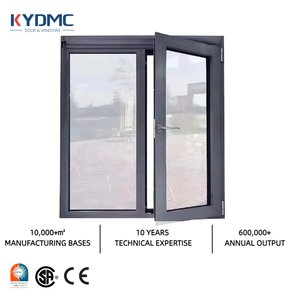
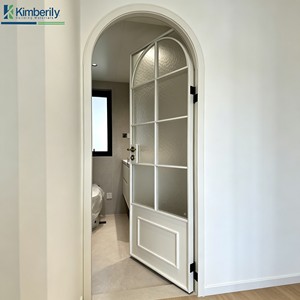
Casement Swing Flat Single Swing Door Aluminum Alloy Casement Style

Flat Single Swing Door Aluminum Alloy Casement Style Suits Kitchen Balcony Glass Arched Opening With Waterproofing

Waterproof dual-EPDM sealing, precision arched profile engineering, high-tensile alloy construction.

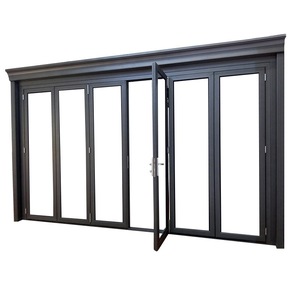
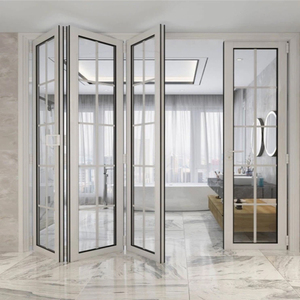
Bi-Folding System Safety Glass Aluminum Bi Folding Door Heavy Duty Frame

Safety Glass Aluminum Bi Folding Door Heavy Duty Frame Wide Opening Modern Design Stable Folding Door

Heavy-duty stainless steel top/bottom roller tracks, multi-panel folding layout, SGCC tempered safety glass.

Smart Cabinet 4Mm Tempered Glass Cabinet Door Pix Smart Quality

4Mm Tempered Glass Cabinet Door Pix Smart Quality Guarantee Kitchen Cabinet Aluminum Alloy Frame Glass Door

Ultra-slim architectural interior profile, anodized anti-fingerprint surface finish, precision hinges.

NFRC Thermal Break American NFRC Customizable Heat Insulation Casement Window

American NFRC Customizable Heat Insulation Casement Window Aluminum Double Glass Exterior Thermal Break Tilt and Turn Window

Polyamide PA66GF25 thermal barrier, low-emissivity double glazing, German hardware integration.

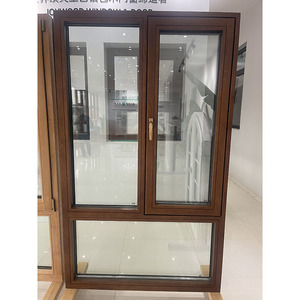
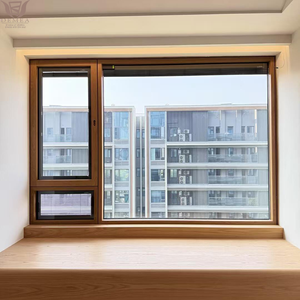
Timber Clad German Style Home Wholesale Design Modern Swing Double Glaze

German Style Home Wholesale Design Modern Swing Double Glaze Aluminum Composite Clad Wooden Frame Timber Casement Windows

Hybrid exterior aluminum structural weather-shielding combined with warm interior solid hardwood aesthetics.

Sliding Partition Heavy-Duty Aluminum Partition Sliding Door Double Low-E

Heavy-Duty Aluminum Partition Sliding Door Double Low-E Tempered Glass Thermal Break Energy Efficient Insulated Interior Bedroom

Acoustic insulation STC 42 rating, narrow frame structural sightlines, silent soft-closing damper systems.

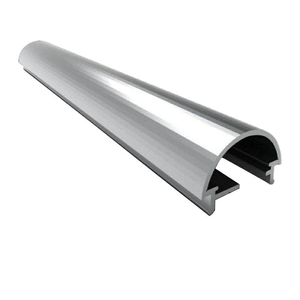
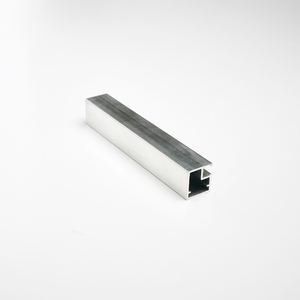
Structural Alloy 7075 Stronger Alloy Aluminum Extrusion for Fabrication

7075 Stronger Alloy Aluminum Extrusion for Fabrication Products Durable Shower Door Aluminum Extrusions - Alloy 6463 U Channel

Aerospace-grade tensile strength, corrosion-resistant anodizing, custom geometric extrusion profiles.

Passive House DEMEA Passive House Standard Energy Efficient Triple Glaze

DEMEA Passive House Standard Energy Efficient Triple Glaze Windows for Residential Exterior Aluminum Clad Wood Casement Window

Ultra-low U-factor (< 0.8 W/m²K), argon gas-filled triple Low-E insulated glazing unit, warm-edge spacers.

10+ Years
Manufacturing Expertise
60+ Countries
Global Export Reach
CE / NFRC
Full Standard Compliance
30-Year
Quality Assurance Guarantee

1. Technical Definition & Structural Anatomy of CE Certified Aluminum Jali Doors

An Aluminum Jali Door represents an advanced architectural fusion of structural metalwork, decorative mesh (lattice work), security engineering, and climate-control fenestration. Originating historically as ornamental stone or wooden lattice screens, modern industrial Jali door systems manufactured in Foshan utilize high-grade extrusions (predominantly 6063-T6 and 7075-T6 aluminum alloys) integrated with stainless steel security mesh (SS304/SS316 wire mesh), laser-cut aluminum plate screens, or expandable metal grilles.

For commercial project managers, real estate developers, and fenestration importers across Europe, North America, and Australia, verifying CE Marking compliance under EN 14351-1 (the European standard for windows and external pedestrian doorsets) is critical. CE certification mandates stringent laboratory verification across four fundamental performance criteria:

Structural & Wind Resistance

Tested in accordance with EN 12210. Profiles must endure extreme positive and negative wind pressures (up to Class C5/P3 3000 Pa) without permanent deformation.

Watertightness & Air Permeability

Evaluated under EN 1027 and EN 12207 standards using multi-stage EPDM compression gaskets and concealed drainage sub-frames to block water ingress under heavy storm conditions.

Thermal Transmittance (U-Value)

Integration of polyamide (PA66GF25) thermal break strips reduces thermal conductivity, meeting stringent energy efficiency targets down to Uf ≤ 1.3 W/m²K.

The core structural advantage of aluminum over traditional timber or mild steel Jali doors lies in its extraordinary strength-to-weight ratio, zero moisture absorption, resistance to termite degradation, and superior durability under coastal salt-spray environments when coated with Qualicoat-certified powder coatings or anodized finishes.

2. Engineering Specifications Matrix: Aluminum Jali & Fenestration Systems

To assist procurement engineers and specifiers in compiling tender schedules, the following table details the baseline technical parameters of premium Foshan-manufactured CE Certified aluminum door systems:

Performance Parameter Standard Aluminum Jali System Thermal Break Security Jali Door Passive House Standard (DEMEA / Premium)
Alloy Composition 6063-T5 / T6 Aluminum 6063-T6 / High-Tensile 7075 Alloy 6063-T6 Structural + Wood-Cladding
Frame Wall Thickness 1.4 mm – 2.0 mm 2.0 mm – 3.0 mm Reinforced 2.2 mm – 3.5 mm Multi-Chamber
Jali Mesh Type 0.8mm SS304 High-Tensile Mesh 1.0mm Bulletproof SS316 Security Mesh Laser-Cut 4.0mm Decorative Plate + Mesh
Thermal Insulation (U-Value) ~2.8 – 3.2 W/m²K 1.4 – 1.8 W/m²K (PA66 GF25) ≤ 0.8 W/m²K (Triple Low-E Argon)
Burglar Resistance (EN 1627) RC1 Standard Protection RC2 / RC3 Multi-Point Locking RC3 / High-Security Transmission Gear
Acoustic Rating (STC / Rw) STC 28 dB – 32 dB STC 38 dB – 42 dB STC 45+ dB Acoustic Laminated
Surface Finish Standard Powder Coating (AAMA 2603) Qualicoat Class 2 / PVDF Coating Anodized 25μm / PVDF Fluorocarbon

3. Enterprise Strengths & Manufacturing Capabilities: BrioWindow Technology Co., Ltd.

Located in Nanhai District, Foshan City, Guangdong Province—the global epicenter of architectural aluminum manufacturing—BrioWindow Technology Co., Ltd. stands as an industry leader in customized fenestration export solutions. Operating out of our state-of-the-art Lishui Town facility, we provide end-to-end OEM and ODM fabrication capabilities tailored specifically for importers, developers, and project engineers in the United States, Canada, Australia, Europe, and over 60 countries globally.

Our competitive advantages are built on five key pillars of operational and technical excellence:

  • Full-Spectrum Product Ecosystem: We eliminate supply chain fragmentation by offering a single, fully accountable source for aluminum alloy sliding doors, casement doors, bi-folding systems, central axis pivot doors, smart motorized fenestration, PVC profile systems, timber-clad solutions, sunrooms, and structural curtain walls.
  • Certified Production & Laboratory Testing: Every door system manufactured in our Foshan facility passes through a comprehensive internal Quality Control (QC) protocol aligned with European CE (EN 14351-1), North American NFRC/AAMA, and Australian AS2047 standards.
  • 30-Year Quality Assurance Commitment: Backed by rigorous cyclic fatigue testing (over 100,000 open-close operational cycles) and premium hardware integration (including German Hoppe, Siegenia, Roto, and top-tier custom stainless steel systems), we provide a 30-year structural and operational assurance to overseas partners.
  • Bespoke Engineering & Shop Drawing Support: Prior to cutting any raw profile, our dedicated engineering team conducts complete structural load calculations and creates 3D CAD/BIM shop drawings tailored to architectural specifications and localized wind pressure requirements.
  • Rigorous Export Packaging Protocols: Recognizing the hazards of multi-modal ocean transportation, all products are wrapped in protective polyethylene films, reinforced with corner guards, sealed in fully enclosed fumigated plywood crates, and systematically labeled per opening schedule for effortless job-site assembly.

4. Future Procurement Trends (2025–2030): Next-Gen Architectural Jali & Security Fenestration

As modern architecture moves toward net-zero carbon targets, occupant wellness, and smart building automation, the procurement landscape for aluminum doors and Jali security screens is experiencing significant technological transformations:

A. Decarbonization & Low-Carbon Recycled Aluminum Extrusions

Global procurement directors are increasingly prioritizing sustainability credentials. Primary aluminum production is energy-intensive; consequently, factories in Foshan are adopting recycled aluminum billets (hydro-powered or post-consumer recycled content) that reduce embodied carbon by up to 75%. Combined with eco-friendly chrome-free pretreatment processes and powder coatings free of Volatile Organic Compounds (VOCs), CE-certified Jali doors are now contributing directly to LEED v4 and BREEAM building certifications.

B. Smart Sensor Integration & Motorized Micro-Ventilation

The traditional manual Jali swing door is evolving into an automated security hub. Future-ready procurement strategies require integration with motorized multi-point locks, hidden magnetic contact sensors, biometric access control (fingerprint, facial recognition), and smart home platforms (Zigbee/Matter protocols). Micro-ventilation systems allow the structural Jali screen to remain securely locked while automated glass panels tilt open 10mm to enable continuous indoor air exchange without compromising home security.

C. High-Definition Laser Cut & Biophilic Architectural Screens

While standard stainless steel woven wire mesh remains the benchmark for insect protection and high-visibility security, decorative architectural Jali doors are turning to CNC laser-cut aluminum plates ranging from 3.0mm to 6.0mm in thickness. Geometric Islamic lattices, parametric natural patterns, and biophilic designs are cut into solid alloy plates, providing custom aesthetic privacy barriers for luxury villas and boutique commercial entrances.

5. Global Industry Development Trends: Structural Safety & Anti-Corrosion Advances

The global fenestration industry is tightening structural safety regulations. Below are the key engineering advancements driving aluminum door manufacturing forward:

Qualicoat Seaside Powder Coating

Pre-treatment etching combined with PVDF fluorocarbon coatings ensures zero chalking, fading, or filiform corrosion even after 3,000+ hours of continuous salt spray exposure (ASTM B117).

Concealed Multi-Point Locking

Single-actuation multi-point gear transmission locks secure the frame at top, middle, and bottom simultaneously, elevating burglar resistance to EN 1627 RC3 security ratings.

Structural Polyamide Barriers

Utilizing glass-fiber-reinforced PA66GF25 thermal breaks prevents thermal bridging between interior and exterior profiles, reducing moisture condensation in humid climates.

6. Master B2B Procurement FAQ: CE Certified Aluminum Jali Doors

Addressing the technical, regulatory, and logistics queries most frequently submitted by international architects, developers, and commercial buyers.

What specific certificates confirm that an aluminum Jali door is CE compliant?
CE compliance for external pedestrian doorsets and windows requires adherence to European standard EN 14351-1:2006+A2:2016. To verify authenticity, buyers must request a factory's Declaration of Performance (DoP) along with initial type testing (ITT) laboratory reports issued by an accredited EU Notified Body. Key performance tests detailed in the documentation include Air Permeability (EN 12207), Watertightness (EN 1027), Resistance to Wind Load (EN 12210), and Thermal Transmittance (EN ISO 10077-2).
How does a security Jali screen door differ from a standard insect screen door?
Standard insect screens use soft fiberglass or thin aluminum mesh designed solely to exclude pests, providing zero burglar protection. In contrast, a Security Jali Door utilizes high-tensile 304 or 316 marine-grade stainless steel wire (typically 0.8mm to 1.0mm wire diameter) woven in a high-density grid. The mesh is structurally anchored directly into heavy-duty 6063-T6 aluminum frames via patented wedge-retention or mechanical clamping systems. It resists knife shearing, heavy impacts (EN 1627 test methods), and pry bar attacks while retaining clear outward visibility and airflow.
Can aluminum Jali doors be integrated with thermal break profile systems?
Yes. Modern engineering allows dual-track or triple-track structural configurations. The outer track houses the heavy-duty security Jali mesh panel, while the inner track houses a thermal break aluminum sash equipped with double or triple insulated glass units (Low-E glass filled with Argon gas). This hybrid design ensures maximum thermal insulation (U-value < 1.6 W/m²K) when the glass door is closed, while allowing occupants to open the glass panel and rely safely on the locked Jali screen for natural ventilation.
What surface treatment is best for coastal or high-humidity construction projects?
For coastal locations (within 5 km of salt water), we strongly specify Qualicoat Class 2 / Seaside-grade Powder Coating or 25-micron Fluorocarbon (PVDF) Spray Coating. Alternatively, chemical anodizing with a thickness of 20 to 25 microns creates an oxide layer integral to the metal, providing superior resistance to salt spray pitting (tested over 3,000 hours per ASTM B117) and preventing filiform corrosion.
What technical parameters should be provided to receive an accurate factory quotation?
To obtain a precise tender quote, please prepare:
  1. Architectural CAD drawings or opening schedules (width x height x frame depth).
  2. Preferred opening configuration (Casement swing, multi-panel sliding, bi-folding, or pivot).
  3. Glass specifications (Single tempered, double Low-E, laminated, or smart tint).
  4. Jali mesh type (0.8mm SS304 mesh, 1.0mm SS316 security mesh, or CNC laser-cut aluminum plate pattern).
  5. Surface finish & RAL color code.
  6. Required structural performance targets (wind load rating, sound isolation STC, thermal U-value).
What lead times and minimum order quantities (MOQ) apply to overseas export orders?
At BrioWindow, our standard MOQ for custom project extrusions is 50 square meters (or equivalent whole-house villa packages). Standard production lead times are 25 to 35 calendar days following shop drawing sign-off and deposit receipt. For large-scale commercial projects requiring specialized extrusion die creation, die tooling takes approximately 10 to 14 days prior to mass profile extrusion.
How does BrioWindow handle quality assurance during production in Foshan?
Our factory operates under ISO 9001 quality management system principles. Quality assurance follows a strict 4-stage inspection routine: 1. Raw Material QC: Spectrometric testing of incoming aluminum alloy billets and anodizing film thickness checks; 2. Processing QC: Dimensional tolerance checks on CNC cutting and corner crimping; 3. Assembly QC: Water tightness testing, lock alignment, and smooth operation trials; 4. Pre-shipment QC: Surface inspection under high-lumen light arrays prior to export crate packing.
What warranty coverage is provided for international procurement projects?
BrioWindow provides a comprehensive 30-year limited warranty on structural aluminum alloy profile extrusion integrity, a 10-year warranty on surface powder coating against peeling or severe chalking, and a 5-year warranty on operating hardware and insulated glass seal integrity. Spare hardware components and replacement glass gaskets are included with major container shipments.

Ready to Engineer Your Architectural Door & Window System?

Partner with Foshan's premier CE-certified aluminum door manufacturer. Share your project drawings or opening schedules with our engineering team for a comprehensive technical proposal within 24 hours.

Get a Quote