Engineering Portfolio: Premium Garden & Architectural Fenestration
Explore our export-tested series featuring hurricane impact resistance, acoustic dampening, and high-transmittance Low-E double/triple glazing options engineered for worldwide climate zones.
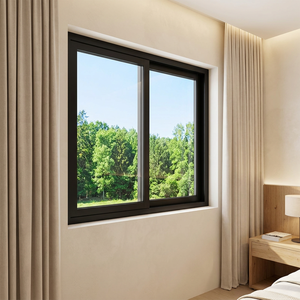
CHANGYI Xiamen Burglar Proof Hurricane Impact Aluminum Horizontal Sliding Window and Doors Balcony
Get a Quote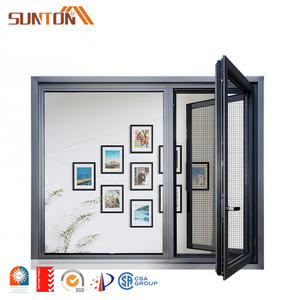
Exterior Sound Proof Aluminium Profiles Window Design French Style Black Aluminum Frame Double Glass Casement windows
Get a Quote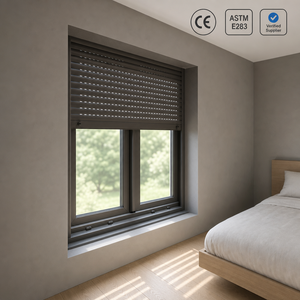
Rainproof Louver Window Aluminium Adjustable Blade Storm Resistant Shutter Window for Villa Garden House
Get a Quote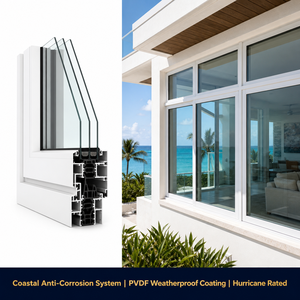
1h Quick Resp | Aluminum Window Section | Sliding System | Modern Apartment Facade Design Sample
Get a Quote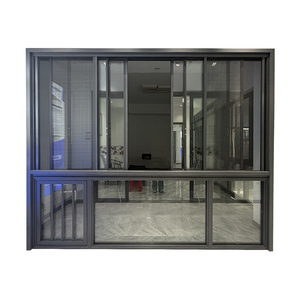
Sliding Glass Window with Decorative Grids, for Traditional Homes, Sunrooms & Enhanced Garden Views OEM Available
Get a Quote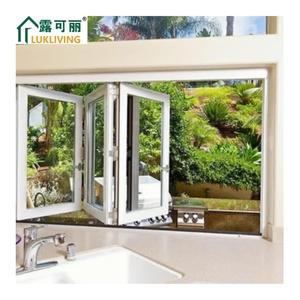
Lukliving Hurricane Proof Folding Window Low Price Aluminum Horizontal Folding Window for Garden House
Get a Quote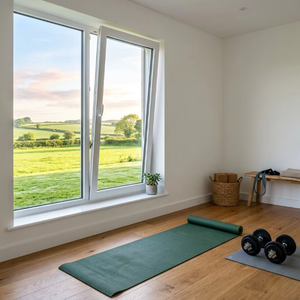
BOCHARM Eco-Friendly Aluminum Tilt and Turn Window Garden View Double Tempered Low-E Glass Soundproof Fitness Room Window
Get a Quote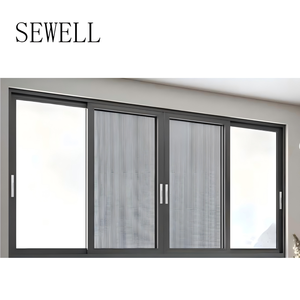
Hot Sale Customized Warranty Aluminium Frame Sound Insulation Double Glass Horizontal Sliding Window for House Garden Sun Room
Get a Quote1. Technical Foundations of CE Certified Aluminum Garden Windows
Modern fenestration design has shifted dramatically from static glass enclosures to highly reactive, energy-efficient micro-climate architectural elements. Sourcing CE certified aluminum garden windows requires a thorough evaluation of raw structural alloy composition, thermal break geometry, mechanical joint integrity, and airtightness ratings specified under European standard EN 14351-1. As international building codes enforce stricter U-value thresholds and carbon footprint limits, global procurement teams must align with verified manufacturers capable of delivering precision-engineered extruded profiles paired with high-performance double or triple insulated glass units (IGUs).
Garden windows present unique structural engineering challenges due to their outward-projecting box configuration. Unlike flat flush casement or sliding windows, a garden window extends past the exterior wall envelope, exposing five distinct surfaces to ambient wind pressure, solar radiation, and precipitation. Consequently, structural deflection rates must be mitigated through structural aluminum extrusions (typically 6063-T5 or 6063-T6 temper alloys) engineered with reinforced corner joints, stainless steel tension rods, and integrated drainage channels to prevent water ingress during severe storm events.
Enterprise Insight: Foshan Manufacturing Authority
Operating directly from Foshan, China—the world's premier architectural aluminum profile hub—BrioWindow Technology Co., Ltd. leverages a complete local supply chain ecosystem. Integrating custom CAD engineering, die extrusion, anodizing, PVDF fluorocarbon coating, and laboratory thermal simulation under one roof, BrioWindow ensures every exported garden window unit conforms strictly to North American NFRC and European CE EN 14351-1 benchmarks.
2. Key Structural Components & Material Specifications
To establish competitive differentiation in commercial tenders, procurement professionals must analyze the sub-system components that dictate long-term durability and operational smooth-gliding performance in residential villas, luxury garden houses, and multi-family modern apartments.
Thermally Broken Extrusions
Utilizing high-density Polyamide PA66 GF25 (25% fiberglass reinforced) thermal barrier strips to physically sever heat transfer between inner and outer aluminum frame profiles, preventing condensation buildup while optimizing energy retention.
Advanced Glazing Matrices
Double and triple tempered Low-E glass configurations filled with 90%+ pure Argon gas. Incorporates warm-edge composite spacers that reduce thermal bridging along the perimeter, maintaining inner surface temperatures above dew point.
Multi-Point Security Locks
Burglar-proof heavy-duty hardware systems engineered from grade 304/316 stainless steel. Multi-directional locking points engage along the sash perimeter to provide high forced-entry resistance and hurricane wind load pressure retention.
3. Technical Comparative Analysis Matrix
The matrix below outlines standard technical parameters across four primary aluminum garden and facade window profile configurations manufactured by certified exporters for international project tenders:
| Profile System Series | Thermal Break Width | Overall Glass U-Value (Uw) | Acoustic Insulation (Rw) | Wind Load Resistance | Recommended Application |
|---|---|---|---|---|---|
| 60mm Standard Sliding System | 14.8 mm PA66 | 2.2 - 2.6 W/m²K | 28 - 32 dB | Class C3 (1800 Pa) | Balcony enclosures & Mild climate residences |
| 70mm High-Performance Casement | 24.0 mm PA66 | 1.5 - 1.8 W/m²K | 35 - 40 dB | Class C4 (2400 Pa) | Coastal garden houses & High-wind villas |
| 85mm Ultra-Thermal Tilt-Turn | 34.0 mm PA66 | 1.0 - 1.3 W/m²K | 40 - 45 dB | Class C5 (3000 Pa) | Passive House standards & Extreme cold zones |
| 110mm Integrated Louver Shutter | 20.0 mm PA66 | 1.8 - 2.1 W/m²K | 32 - 36 dB | Storm Resistant (3500 Pa) | Sunrooms, hurricane zones & Security villas |
4. Future Procurement Trends in B2B Architectural Fenestration (2025–2030)
As global real estate markets prioritize decarbonization and smart automation, commercial buyers, estate developers, and glazing contractors must align their supply chains with forward-looking manufacturing capabilities. Sourcing strategies are moving away from commodity profile purchases toward integrated micro-environment management systems.
4.1 Low-Carbon Recycled Aluminum Sourcing
The push for circular economy compliance in Europe and North America has made scrap-recycled low-carbon primary aluminum (produced via hydroelectric smelting) a core tender requirement. Export manufacturers utilizing low-carbon aluminum profiles reduce embodied carbon metrics by up to 65%, enabling developers to gain crucial points under LEED, BREEAM, and DGNB green building rating systems.
4.2 Smart Sensor Integration and Motorized Automation
Modern garden windows are increasingly specified with hidden, motorized actuators connected to home automation systems (IoT). Rain sensors automatically close roof panes or side casement vents at the first moisture contact, while solar irradiance sensors adjust motorized interior blinds, optimizing indoor ambient temperatures without occupant intervention.
4.3 Ultra-Slim Sightlines & Structural Glass-to-Glass Corners
Architectural aesthetic demand centers around maximized clear glass surface area. The industry development trend favors ultra-narrow interlock profiles (under 20mm visible width) coupled with structural silicone structural glass-to-glass corner joints, eliminating bulky mullions to offer uninterrupted 90-degree panoramic garden views.
5. Manufacturing & Quality Control Framework: The BrioWindow Advantage
Based in Nanhai District, Foshan City, BrioWindow Technology Co., Ltd. has refined its export operations over more than a decade, supplying premium door and window systems to over 60 countries across the United States, Canada, Australia, and Europe.
Every order processed through our facility follows a rigorous five-stage Quality Assurance (QA) workflow designed to eliminate site installation issues for overseas project partners:
- Structural CAD & BIM Engineering Review: Detailed shop drawings are evaluated for wind pressure resistance, dead-load glass support, and flashing details prior to profile cutting.
- Precision CNC Extrusion Milling: Computer-controlled machining centers execute corner notches, drainage slots, and hardware lock mortises with tolerances within ±0.1mm.
- Surface Finish Integrity Testing: Finishes undergo salt-spray corrosion testing, cross-hatch adhesion verification, and UV endurance checks to guarantee color stability under harsh exposure.
- Integrated Mock-Up Assembly: Sample units undergo factory water-tightness and smooth-sliding tests to verify seal compression before mass production packaging.
- Heavy-Duty Export Crating: Glass panes are protected with scratch-resistant film, wrapped in moisture-barrier sheeting, and packed inside fully enclosed steel-reinforced wooden crates suitable for long-distance ocean freight.
6. Frequently Asked Questions (FAQ) for B2B Importers & Contractors
What specific documentation is provided with CE certified aluminum garden windows?
Can BrioWindow manufacture custom sizes based on architectural opening schedules?
What is the typical Minimum Order Quantity (MOQ) and production lead time?
How do aluminum garden windows perform under high-wind and hurricane conditions?
What surface coating finishes are available for coastal or high-humidity regions?
What warranty protection is offered on international export orders?
Ready to Accelerate Your Fenestration Sourcing?
Partner with Foshan’s leading aluminum window manufacturer. Contact our engineering team today for technical consultation, structural BIM files, or factory-direct pricing on custom orders.
