High-Performance Architectural Fenestration Portfolio
Engineered to withstand extreme weather conditions, high thermal transfer loads, and strict EU EN 14351-1 CE compliance standards.
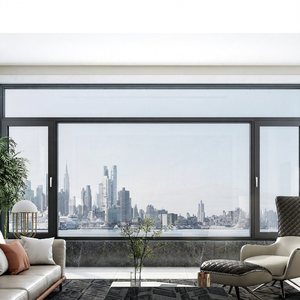
Ultra Modern Tilt Turn Aluminum Window with Inward Opening
Excellent air and water tightness engineered for high-rise buildings requiring multi-stage compression perimeter sealing.
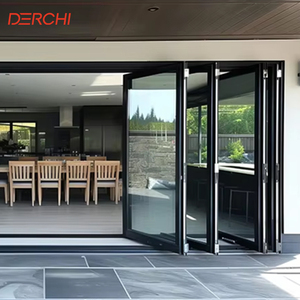
12 Feet Air Tightness Aluminum Tempered Glass Patio Accordion Folding Doors
Heavy-duty multi-panel bi-fold system with thermal break profiles and high structural wind-resistance rating.
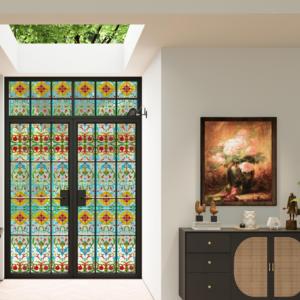
Durable Aluminum Alloy Retro Crittall Style Double Door with Double Glass
Heat-insulated waterproof design tailored for luxury commercial interior and exterior French hotel applications.
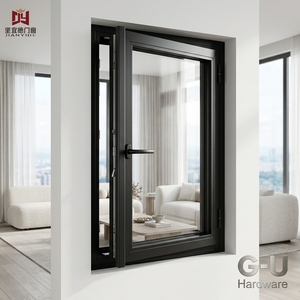
High Performance Casement Window Multi-Purpose European Style
Integrated G-U hardware mechanism, robust thermal barrier, and high acoustic attenuation for harsh exterior environments.
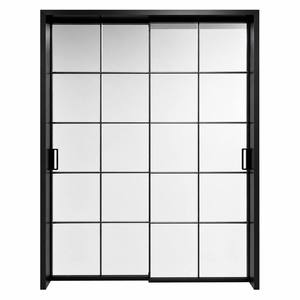
Customized Black Aluminum Alloy Crittall Style Sliding Glass Door 2x5 Grid
Industrial aesthetic architectural door system optimized for space partition with heavy-gauge aluminum framing.
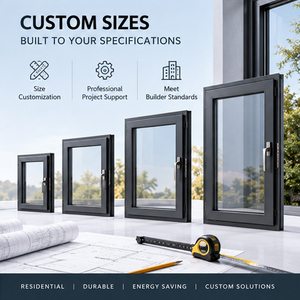
Custom Aluminum Sliding Patio Doors for Hotel Terraces & Villas
Smooth-operation stainless steel track system designed for expansive modern outdoor living spaces and high wind loads.
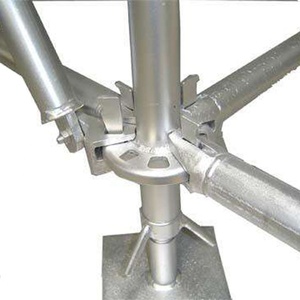
Aluminum Scaffolding Board Trap Door Platform with Ladder
Industrial-grade aluminum safety platform designed for heavy construction load tolerance and durable structural frame access.
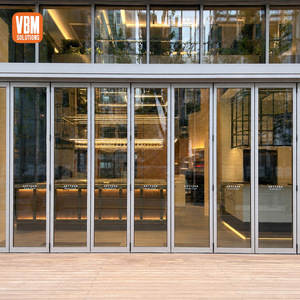
NFRC Thermal Break Aluminium Folding Door Double Glazed
Certified double-glazed thermal break folding system tailored for high-traffic corporate lobbies and modern office entrances.
Engineering Standards & Market Dynamics for CE Certified Exterior Storm Windows
In modern architectural fenestration, the specification of exterior storm windows has evolved far beyond basic secondary glazing. Today's commercial developments, residential luxury villas, and high-density municipal structures demand secondary envelope systems that deliver measurable thermal envelope optimization, high structural resistance against extreme meteorological pressure, and uncompromised compliance with European CE regulations under EN 14351-1.
As premier Chinese factories and direct exporters located in Foshan—the world's foremost aluminum extrusion hub—manufacturers like BrioWindow Technology Co., Ltd. bridge the gap between heavy structural engineering and cost-efficient international supply chains. This document analyzes the critical engineering variables, thermal break dynamics, regulatory imperatives, and global procurement shifts governing the export market for CE certified aluminum exterior storm windows.
1. The Structural Mechanics of Aluminum Exterior Storm Windows
Aluminum storm windows function as a protective primary or secondary building barrier. Fabricated using high-tensile AA6063-T5 or AA6063-T6 extrusions, these systems provide localized protection against hurricane-force wind uplift, torrential rain ingress, and high cyclic thermal fatigue. Unlike traditional timber or unplasticized PVC frames, aluminum offers superior yield strength-to-weight ratios, allowing structural Engineers of Record (EOR) to specify ultra-slim sightlines without compromising frame deflection thresholds (typically engineered to L/175 or L/240 under full wind load conditions).
- Structural Extrusion Wall Thickness: Typically engineered between 1.8mm and 3.0mm depending on building height and design pressure (DP) requirements.
- Thermal Barrier Polymer Insertion: High-density Polyamide (PA66GF25 - 25% glass fiber reinforced nylon) insulating strips structurally crimped between inner and outer extruded aluminum profiles to eliminate conductive thermal bridging.
- Compression Perimeter Gaskets: Multi-tiered EPDM (Ethylene Propylene Diene Monomer) or silicone co-extruded gaskets maintaining continuous contact across multi-point locking gear tracks.
2. Unpacking CE Certification Requirements (EN 14351-1) for Global Exporters
For European importers, contractors, and architectural specifiers, a CE mark is not merely a trading label; it is a mandatory Declaration of Performance (DoP) under the European Construction Products Regulation (CPR 305/2011). Direct exporters must demonstrate third-party laboratory verification across five key physical performance indicators:
| Performance Metric | Testing Standard | Target Threshold for Storm Windows | Engineering Significance |
|---|---|---|---|
| Resistance to Wind Load | EN 12210 | Class P3 to Class P5 (Up to 2000+ Pa) | Prevents structural frame deformation and sash dislodgement during hurricane gust conditions. |
| Watertightness | EN 12208 | Class E900 (Unsheltered 900 Pa) | Guarantees zero liquid water penetration under heavy driven rainfall and dynamic pressure. |
| Air Permeability | EN 12207 | Class 4 (Highest rating, ≤3 m³/h·m²) | Eliminates convective air leakage, drastically improving building envelope airtightness (Blower Door score). |
| Thermal Transmittance (U-Value) | EN ISO 10077-2 | Uf ≤ 1.4 W/(m²·K) | Reduces HVAC cooling/heating energy consumption in compliance with passive house and low-carbon mandates. |
| Acoustic Attenuation | EN ISO 140-3 | STC 38 dB to 45 dB | Dampens environmental urban noise pollution, traffic sound frequencies, and ambient storm turbulence. |
Future Procurement Trends in Exterior Storm Windows (2025–2030)
As global carbon tax frameworks tighten and climate-driven extreme weather events frequency increases, commercial buyers are shifting procurement strategies toward certified resilience.
1. Decarbonization & Low-Carbon Aluminum Billets
Global procurement teams are prioritizing factories utilizing hydro-powered recycled aluminum billets (green aluminum) to minimize scope 3 embodied carbon. Future CE documentation will strictly integrate Environmental Product Declarations (EPD).
2. Smart Glazing & Electrochromic Integration
Exterior storm windows are increasingly equipped with motorized sash actuators, smart rain sensor auto-closers, and dynamic electrochromic glass tinting that adjusts Solar Heat Gain Coefficient (SHGC) automatically in real-time.
3. Hurricane & Large Missile Impact Shielding
Export markets across coastal North America, Australia, and Southern Europe are combining secondary storm units with SentryGlas (SGP) laminated glass setups to satisfy severe windstorm and missile impact architectural codes.
Material Science & Technological Evolution in Aluminum Storm Fenestration
The manufacturing paradigm for aluminum storm fenestration has evolved rapidly. Where early iterations suffered from thermal conduction and condensation build-up, modern factory engineering addresses these vulnerabilities through advanced metallurgy, surface treatment chemistry, and digital CNC processing precision.
Polyamide Thermal Barrier Engineering
Un-insulated aluminum exhibits a thermal conductivity rating of roughly 160 W/(m·K), which creates severe thermal bridges in exterior envelope applications. Chinese manufacturing facilities in Foshan overcome this by precision-milling twin aluminum extrusions and mechanically inserting a continuous PA66GF25 thermal strut. This reduces frame thermal conductivity down to less than 2.0 W/(m·K). Furthermore, multi-cavity thermal break designs allow manufacturers to fill inner extrusion chambers with expanded Polyurethane (PU) or Aerogel insulation foams, driving total thermal resistance down to levels suitable for Passive House standard construction.
Advanced Architectural Surface Coatings: PVDF vs. Powder Coating
Exterior storm windows face constant assault from UV radiation, salt spray corrosion, and chemical pollutants. Leading Chinese exporters provide three main certified finishing technologies:
- Fluorocarbon (PVDF / Kynar 500) Coating: 3-coat or 4-coat liquid application offering unmatched weatherability, color retention, and resistance to coastal salt spray environments exceeding 3,000 hours of ASTM B117 salt fog testing.
- Super-Durable Architectural Powder Coating: Qualicoat Class 2 certified polyester coatings providing exceptional scratch resistance, eco-friendly zero-VOC emissions, and over 60+ architectural matte finish shades.
- Anodizing Finish: Hard-coat electrolytic anodization (20–25 microns thickness) creating an integral metallic oxide layer that cannot peel or flake under extreme thermal expansion cycles.
Why Partner with BrioWindow Technology Co., Ltd.
Located in Nanhai District, Foshan City, Guangdong, China, BrioWindow stands as a premier direct manufacturer and exporter serving builders, contractors, and distributors worldwide.
10+ Years Export Experience
Proven track record of supplying complex residential and commercial projects across North America (USA, Canada), Australia, Europe, and over 60+ global destinations.
30-Year Quality Assurance
We stand behind our extrusion structural integrity, thermal break bonding, and hardware durability with long-term after-sales quality backing and direct tech support.
Comprehensive Product Range
Single-source supplier accountability for aluminum alloy folding doors, sliding windows, tilt-turn systems, PVC doors, wooden entrance doors, sunrooms, and curtain walls.
Strict National & Global Testing
Products undergo internal QA and external laboratory testing verifying compliance with European EN standards, North American NFRC thermal ratings, and GB/T national benchmarks.
Custom Engineering & BIM Support
In-house structural engineering teams review architectural drawings, calculate wind pressures, and provide precise shop CAD/BIM models prior to factory cutting.
Export Container Protection
All fenestration units are packed with protective corner guards, non-scratch film wrap, and fumigated solid wooden crates engineered for ocean freight resilience.
Frequently Asked Questions for International B2B Buyers
Essential guidance for commercial developers, architectural specifiers, importers, and fenestration distributors.
Accelerate Your Fenestration Project with Factory-Direct Engineering
Connect with BrioWindow's export engineering team today to review architectural drawings, request physical profile samples, or receive a competitive factory-direct tender quote.
