Featured Aluminum Window & Door Systems
Engineered to rigorous international standards for structural strength, thermal break efficiency, and storm resistance.
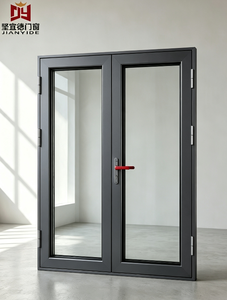
Thermal Break Aluminium Casement Doors Energy Efficient Waterproof Windproof for European Villas Custom OEM and ODM CE Certified
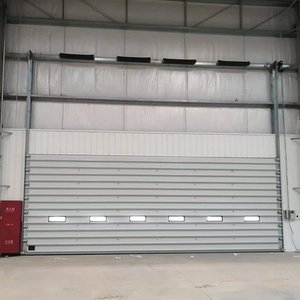
CE Certified High Speed Aluminum Alloy Industrial Shutter Door Automatic Storm Resistant Rolling Door for Workshop
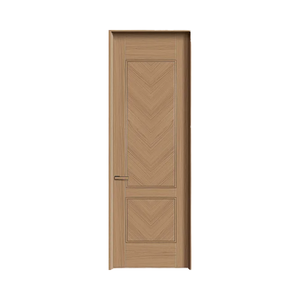
Modern Wooden Entrance Door for Villas & Hotels Aluminum Wood Composite Front Lobby Door Interior Security Finished Surface
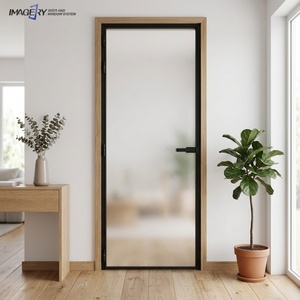
Minimalist Style Extremely Narrow Frame Casement Aluminum Door Soundproof Interior For Kitchen Bathroom
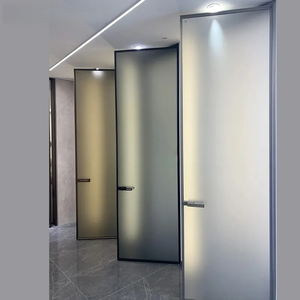
Breathable Modern Manual Aluminum Bathroom Door Half-Glass Ventilation Grille for Natural Light Waterproof/Heat Insulation
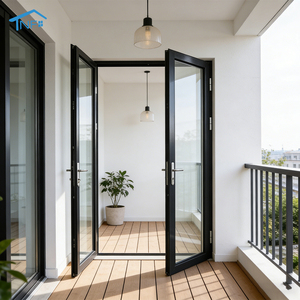
Foshan Aluminum Alloy Entry Doors Factory High Quality Modern Finished Swing Glass Door For Villa CE Certified
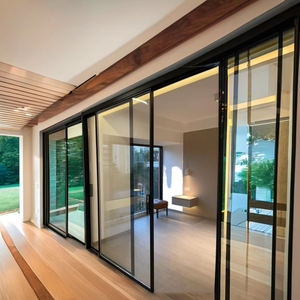
Custom Aluminum Windows and Doors Energy Saving Low E Glass Casement Window Double Glazed Tilt and Turn House Window
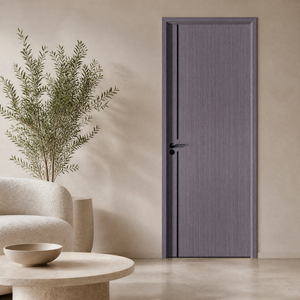
Customized Aluminum Interior Door Aluminum Alloy Door Rust-proof Lightweight Use in Restaurant Gym Home Office
Why Partner With BrioWindow Technology
Direct factory manufacturing from Foshan, China—engineered to meet stringent international building codes and client specifications.
CE Certified & Rigorously Tested
Our aluminum fenestration products undergo rigorous third-party laboratory testing to conform with European CE standards (EN 14351-1), guaranteeing superior wind resistance, air tightness, and water ingress prevention.
Foshan Manufacturing Powerhouse
Located in Nanhai District, Foshan—the epicenter of global aluminum extrusion—our integrated facilities support full OEM/ODM custom orders, precision CNC machining, powder coating, and thermal break assembly under one roof.
High-Performance Engineering
Utilizing T6-6063 high-tensile aluminum alloys, multi-chambered thermal break profiles (PA66 GF25), and double/triple EPDM sealing gaskets engineered specifically to withstand extreme sub-grade moisture and storm pressures.
Global Export Track Record
Extensive experience shipping to the United States, Canada, Australia, Europe, and over 60 countries. We provide full export packaging, custom clearance document support, and project drawing validation.
30-Year Quality Assurance
We stand firmly behind our fenestration engineering with a comprehensive 30-year structural warranty, giving commercial developers, architectural specifiers, and importers complete operational peace of mind.
Complete Technical Support
From initial architectural elevation drawings (CAD/BIM) to hardware hardware matching and glass U-value compliance calculations, our engineering team assists B2B clients through every technical phase.
Engineering Whitepaper: Technical Standards for CE Certified Aluminum Basement Storm Windows
Sub-grade and basement architectural fenestration represents one of the most demanding challenges in modern structural engineering and building physics. Basement storm windows operate under unique microclimatic stresses, including elevated soil moisture, localized hydrostatic water pressure during torrential rainfall, soil-gas accumulation risks (such as radon), and extreme indoor-outdoor thermal differentials. Selecting a qualified CE certified aluminum basement storm windows supplier requires an in-depth understanding of material science, structural load capacity, European compliance protocols, and modern sub-grade waterproofing systems.
Information Gain Insight: Unlike standard above-grade residential windows, basement storm windows must balance severe water tightness (EN 12208 Class 9A or higher), structural wind-load resistance (EN 12210 Class C5), and rapid emergency escape egress compliance (IRC R310 / EN emergency opening rules) while preventing thermal bridging at the foundation level.
1. Material Science & Alloy Profile Selection
The structural foundation of high-performance basement storm windows lies in extruded aluminum alloy composition. Premium suppliers utilize 6063-T6 architectural grade aluminum extrusions, possessing a minimum tensile strength of 205 MPa and yield strength of 170 MPa. Wall thickness specifications for load-bearing profile frames range between 1.8mm and 2.0mm, ensuring zero frame deflection even when subjected to intense hydrostatic forces from surrounding window wells during severe storm events.
To resist sub-surface oxidation, continuous humidity exposure, and soil chemical runoff, aluminum profiles undergo advanced surface passivation. Factory specifications mandate either Qualicoat Class 2 Electrostatic Powder Coating (minimum 60-80 microns thickness) or AAMA 2605 Fluoropolymer (PVDF) coating, providing over 3,000 hours of continuous salt spray testing without surface degradation, blistering, or micro-cracking.
2. Thermal Performance & Hydrostatic Water Ingress Prevention
Uninsulated subterranean spaces suffer heavily from thermal loss and moisture condensation, which can lead to localized mold growth (Stachybotrys chartarum) and masonry deterioration. BrioWindow’s thermal break technology integrates structural Polyamide PA66 GF25 (25% Glass Fiber Reinforced) thermal barrier struts inserted between inner and outer extruded aluminum profiles.
This multi-chambered thermal isolation technique reduces profile heat transfer coefficients, achieving system U-values as low as 0.8 to 1.2 W/m²·K when paired with Low-Emissivity (Low-E), Argon gas-insulating glass units (IGUs). Furthermore, triple-sealed EPDM (Ethylene Propylene Diene Monomer) gasket systems, combined with continuous vulcanized corner boots, guarantee air tightness (EN 12207 Class 4) and prevent pressurized water infiltration during flash flooding.
Performance Matrix: Sub-Grade Window Technical Standards
| Performance Indicator | Standard Aluminum Basement Window | BrioWindow CE Certified Storm System | European Test Standard |
|---|---|---|---|
| Water Tightness | Class 3A (150 Pa) | Class E1050 (1050 Pa Hydrostatic) | EN 12208 |
| Air Permeability | Class 2 (300 Pa) | Class 4 (600 Pa High-Sealed) | EN 12207 |
| Wind Load Resistance | Class B2 (800 Pa) | Class C5 (2000 Pa Structural) | EN 12210 |
| Overall Thermal Transmittance (U-Value) | 2.8 - 3.5 W/m²·K | 0.8 - 1.2 W/m²·K (Thermal Break) | EN ISO 10077-2 |
| Acoustic Insulation (Rw) | 25 - 28 dB | 42 - 48 dB (Laminated IGU) | EN ISO 140-3 |
| Security & Anti-Burglary | Basic Single Latch | RC2 / RC3 Multi-Point Locking | EN 1627 |
Future Procurement & Industry Development Trends (2025–2035)
As the international building sector shifts toward Net-Zero Energy Buildings (NZEB) and climate-resilient construction, subterranean fenestration procurement is undergoing a major technological transformation. Buyers, contractors, and architectural specifiers must align their sourcing strategies with four core future trends:
1. Integration of Smart Hydro-Sensory & Motorized Micro-Ventilation
Future basement storm window systems are evolving from static barriers into active building envelope elements. Modern procurement specifications increasingly request integrated low-voltage micro-actuators coupled with hydrostatic water sensors and indoor air quality (IAQ) monitors. In normal conditions, automated tilt-in micro-ventilation maintains low humidity and purges sub-grade gases (radon, VOCs). Upon sensing rising floodwaters or rain pressure, automated multi-point locks engage electronically to seal the frame air-tight without human intervention.
2. Decarbonization & Low-Carbon Recycled Aluminum Billets
With stringent European Union Carbon Border Adjustment Mechanisms (CBAM) and global ESG compliance mandates, commercial procurement officers prioritize suppliers utilizing low-carbon primary aluminum billets smelted via hydro-electric energy or incorporating a minimum of 75% post-consumer recycled aluminum content. Low-carbon aluminum processing dramatically reduces embodied carbon from 18 kg CO2/kg Al to under 4.0 kg CO2/kg Al, enabling developers to earn higher LEED v4.1 and BREEAM sustainability credits.
3. High-Impact Laminated & Security Glazing Configurations
Sub-grade windows represent a primary vulnerability for forced entry and storm debris impact. Procurement trends show a rapid transition from basic tempered glass to multi-layer laminated security glass featuring PVB (Polyvinyl Butyral) or SGP (SentryGlas® Plus) ionoplast interlayers. These configurations meet stringent EN 356 (resistance against manual attack) and ASTM E1996 missile impact requirements, protecting basement living areas from physical intrusion and catastrophic glass shatter during extreme windstorms.
4. Prefabricated Egress Window Well Modular Integration
To reduce expensive job-site labor costs across North America and Europe, global distributors are ordering pre-engineered modular basement window kits. These systems combine CE certified aluminum egress casement windows, custom heavy-duty well frames, integrated escape ladders, and polycarbonate/glass storm covers as unified drop-in assemblies, drastically reducing installation time and eliminating field-assembly waterproofing failures.
Sub-Grade Fenestration Procurement FAQ
What specific CE certification requirements apply to aluminum basement storm windows exported to Europe? +
How do BrioWindow aluminum storm windows ensure compliance with residential emergency egress codes? +
Can your factory manufacture custom sizes according to architectural CAD/BIM drawings? +
What measures prevent thermal bridging and indoor condensation on aluminum frames in cold climates? +
What is the lead time for B2B container shipments from Foshan, China? +
How are heavy aluminum windows packed to prevent damage during ocean transit? +
Partner with a Leading CE Certified Aluminum Window Manufacturer
Accelerate your project procurement with direct factory pricing, engineering drawing verification, and world-class fenestration quality from Foshan, China.
Send an Inquiry