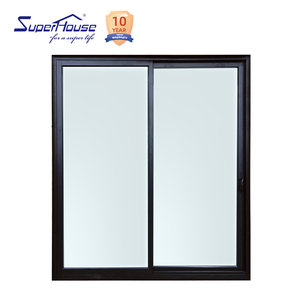
Factory-Direct Product Selection
High-Performance Certified Architectural Doors & Windows
Explore our export-grade fenestration range manufactured to CE standards, featuring advanced thermal breaks, hurricane-rated profiles, and modern ultra-slim aesthetic options.
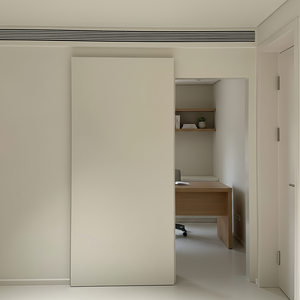
Wind-resistant Modern Industrial Style Sliding Door Rustic Barn Door for Restaurant Office Interior Decor
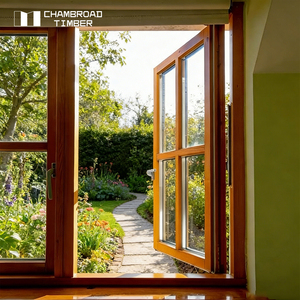
Custom Made Solid Modern Wood Casement Window Premium Wood Frame windows For Villa House and Luxury Projects
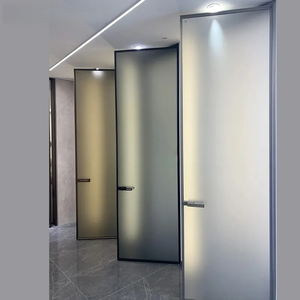
Breathable Modern Manual Aluminum Bathroom Door Half-Glass Ventilation Grille for Natural Light Waterproof/Heat Insulation
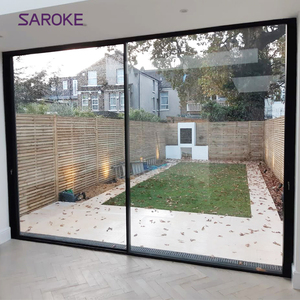
Multi Tracks Large Glass Thermal Break Villa Patio Hurricane Proof Aluminum Balcony Sliding Doors for Exterior Use
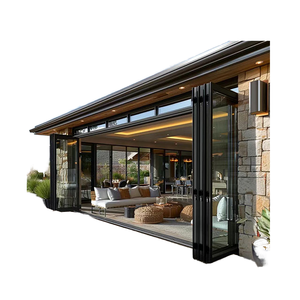
Thermal Break Exterior Bi Folding Door Aluminum Patio Bifold Doors Outdoor Garden Black Frame Accordion Folding Glass Door
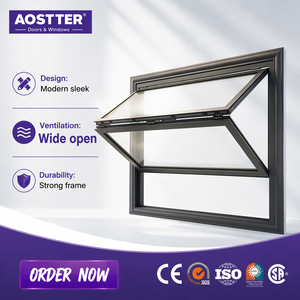
AOSTTER CE Certified Soundproof Thermal Break Double Glazed Top Hung Bifold Window Commercial Exterior Aluminum Folding Window
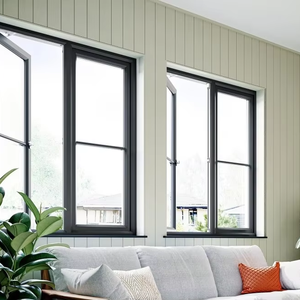
Prima High End Powder Coated Anthracite Grey Aluminium Casement Window for Modern Luxury Home
10+
Years Manufacturing Excellence
60+
Global Export Markets
30-Year
Quality Assurance Guarantee
100%
CE Compliant Production
Strategic Sourcing Whitepaper
Engineering Compliance & Manufacturing Integrity in CE-Certified Architectural Glazing
A comprehensive technical evaluation guide for commercial developers, architectural specifiers, and procurement officers sourcing fenestration systems from China's primary manufacturing hub.
In global real estate development and modern architectural design, the window and door envelope accounts for up to 40% of a building's total thermal transfer and structural integrity verification. As international building codes enforce strict energy performance metrics, sourcing from verified CE certified aluminum and glass doors factories and suppliers has evolved from a regulatory requirement into a core strategic advantage.
Key Takeaway for B2B Procurement Officers: European Conformity (CE Marking) under standard EN 14351-1:2006+A2:2016 guarantees that external pedestrian doorsets and windows satisfy critical mandates regarding air permeability, watertightness, acoustic performance, wind load resistance, and thermal transmittance (U-value).
1. Structural Metallurgy and Alloy Selection Standards
The operational longevity of large-span sliding, casement, and bifold glass doors relies heavily on the metallurgical profile of the aluminum substrate. Premier Foshan manufacturers, such as BrioWindow Technology Co., Ltd. (operating out of Nanhai District, Foshan), utilize primary 6063-T5 and 6063-T6 architectural grade aluminum alloys. Unlike recycled scrap aluminum, primary billet extrusion guarantees an ultimate tensile strength exceeding 185 MPa and yield strength over 110 MPa.
Proper extrusion wall thickness plays a vital role in meeting wind-load criteria for coastal and high-rise applications. For standard residential exterior doors, profile wall thickness must maintain a minimum of 2.0mm. For hurricane-proof, large-panel patio doors and commercial storefront systems, wall thickness is engineered between 2.5mm and 3.0mm, preventing frame deflection under extreme positive and negative wind pressure loads (exceeding 3000 Pa).
2. Thermal Break Engineering: Polyamide Strip Technology
Aluminum exhibits an inherently high thermal conductivity (k ≈ 200 W/m·K). Uninsulated aluminum profiles lead to rapid heat gain in warm climates and severe heat loss with interior condensation in cold regions. To establish full CE compliance and comply with North American NFRC standards, thermal break systems insert an insulating barrier between interior and exterior aluminum profiles.
High-tier factories implement Polyamide PA66 reinforced with 25% glass fiber (PA66GF25) structural thermal strips rather than cheap PVC substitutes. PA66GF25 shares identical thermal expansion coefficients with aluminum alloy (2.3 × 10⁻⁵ /K), preventing structural shearing, strip shrinkage, or seal failure under extreme seasonal ambient temperature fluctuations (-30°C to +80°C).
| Performance Metric | Standard Non-Thermal Aluminum | PA66GF25 Thermal Break (Double Glazed) | Ultra-Insulated Thermal Break (Triple Glazed Low-E) | CE Certification Testing Method |
|---|---|---|---|---|
| U-Value (W/m²·K) | 5.0 - 6.2 | 1.8 - 2.2 | 0.8 - 1.2 | EN ISO 10077-2 PASSED |
| Air Permeability | Class 2 (300 Pa) | Class 4 (600 Pa) | Class 4 (600 Pa) | EN 12207 PASSED |
| Watertightness | Class 3A (150 Pa) | Class 9A (600 Pa) | Class E1050 (1050 Pa) | EN 12208 PASSED |
| Wind Load Resistance | Class B2 (800 Pa) | Class C4 (1600 Pa) | Class C5 / B5 (3000+ Pa) | EN 12210 PASSED |
| Acoustic Attenuation (STC) | 24 - 28 dB | 35 - 38 dB | 42 - 48 dB | EN ISO 140-3 PASSED |
3. Glazing Specifications: Safety, Solar Heat Gain, and Acoustic Control
The glass unit constitutes up to 85% of the total door area. Factories meeting CE standards adhere to European safety glass directives (EN 12150-1 for thermally toughened safety glass and EN 14449 for laminated glass). Glazing parameters recommended for optimal energy efficiency and security include:
- Double-Glazed Insulated Glass Units (IGU): Configured as 6mm Toughened Low-E + 12mm Argon Gas Spacer + 6mm Clear Toughened Glass. This reduces Solar Heat Gain Coefficient (SHGC) to under 0.28 while allowing visible light transmittance (VLT) above 65%.
- Acoustic Laminated Glazing: Incorporates Polyvinyl Butyral (PVB) or SentryGlas® (SGP) interlayer (e.g., 6mm + 1.52PVB + 6mm). Crucial for high-end urban luxury developments and hotel projects requiring STC soundproofing values above 42 dB.
- Warm Edge Spacers: Replacing traditional hollow aluminum spacer bars with composite stainless-steel or silicone warm-edge technology reduces perimeter condensation by 90% and improves total fenestration U-values by 0.2 W/m²·K.
Industry Horizon 2026-2030
Future Sourcing & Architectural Technological Trends
Emerging structural trends and procurement strategies shaping the global architectural glazing market over the next decade.
Ultra-Slim Sightline Minimalist Engineering
Modern luxury villas demand unobstructed natural light. Trends favor frame profiles with interlocking vertical stiles under 20mm wide, recessed outer frames, and concealed bottom rollers capable of handling 500kg leaf weights smoothly.
Smart Home Automation & Sensor Integration
Motorized doors and windows integrated with Building Management Systems (BMS) are expanding. Integrated rain sensor closure, biometric keypad access, and smartphone app control are becoming standard specifications for high-end residential projects.
EPD & Carbon Footprint Transparency
Global developers require Environmental Product Declarations (EPD) documenting embodied carbon. Leading factories use low-carbon recycled aluminum profiles processed via clean hydroelectric power, fulfilling LEED and BREEAM certifications.
BIM Model Integration for Direct Ordering
Procurement workflows now rely on 3D Building Information Modeling (BIM) files (Revit/IFC formats). Chinese export suppliers provide exact digital twin profiles, permitting seamless clash detection during the pre-construction phase.
Severe Weather & Impact Resistance
Due to shifting climate dynamics, demand for hurricane-impact glass door systems tested under ASTM E1886/E1996 and EN 12600 standards is accelerating across North America, Australia, and coastal Pacific Island markets.
Accelerated Modular Customization Workflows
Standardized lead times have decreased from 60 days to 25-35 days via automated CNC 5-axis machining centers. Precision cutting ensures complete interchangeability of European multi-point locking hardware (e.g., Siegenia, Hoppe, GU).
Enterprise Advantage
Why Partner with BrioWindow Technology Co., Ltd.
Headquartered in Foshan, China—the world's premier aluminum manufacturing hub—we deliver verified engineering, certified safety, and long-term supply stability for over 60 export destinations.
Certified European & Global Standards
All factory outputs adhere to stringent CE door certification benchmarks (EN 14351-1), passing comprehensive third-party lab testing for air permeability, water tightness, structural wind resistance, and acoustic insulation.
10+ Years Overseas Export Expertise
Over a decade of successful exports to key markets including the United States, Canada, Australia, and European territories. Our engineering team speaks fluent technical English and manages complex drawings effortlessly.
30-Year After-Sales Quality Assurance
We guarantee structural frame integrity with a 30-year warranty, backed by comprehensive installation guides, technical shop drawings, replacement hardware fulfillment, and dedicated remote engineering consultation.
Complete Single-Source Fenestration Range
From aluminum sliding, swing, bifold, and central axis pivot doors to PVC windows, solid wood interior doors, structural curtain walls, and glass sunrooms—streamlining your supply chain under one single accountable supplier.
Surface Finishing Excellence (AAMA Standards)
Offering AkzoNobel powder coating, fluorocarbon (PVDF) spraying (guaranteed against fading for 20+ years in high-UV regions), anodizing, and authentic wood grain transfer finishes meeting AAMA 2604/2605 criteria.
Rigorous Multi-Stage Factory Testing
Every fabricated unit undergoes trial assembly, hardware operation checks, laser diagonal squareness calibration, and water immersion seal testing prior to export protective packing in fully crated wooden boxes.
B2B Sourcing Guide
Frequently Asked Sourcing & Technical Questions
Clear, direct technical answers designed to assist architectural specifiers, general contractors, and door importers evaluating factory direct capabilities in China.
What specific tests and standards validate a door manufacturer's CE certification?
CE marking for external pedestrian doorsets and windows is regulated under European Standard EN 14351-1:2006+A2:2016. To claim valid CE compliance, a factory must submit complete product samples to an accredited Notified Body laboratory for System 3 Assessment and Verification of Constancy of Performance (AVCP).
The mandatory laboratory test parameters include:
- Air Permeability (EN 12207): Verifies frame air leakage under positive and negative pressures up to 600 Pa (Class 4 rating).
- Watertightness (EN 12208): Measures rain resistance under continuous water spray and static wind pressure (Class 9A to E1050).
- Resistance to Wind Load (EN 12210): Tests frame structural deflection under extreme wind gusts (Class C5 rating indicates deflection less than L/300 at 2000 Pa).
- Thermal Transmittance (EN ISO 10077-1/2): Validates overall assembly U-value (Uw) using calibrated hot box testing or FEA simulation.
- Dangerous Substances: Ensures raw materials release no harmful toxic volatile compounds into interior environments.
How does BrioWindow handle custom project sizes, opening schedules, and shop drawing approvals?
We operate an end-to-end engineering workflow customized for overseas commercial and luxury residential projects. Once you share your architectural elevation drawings or window opening schedule, our technical design desk performs the following steps:
- Structural & Thermal Review: We analyze local wind loads, target U-values, structural opening tolerances, and hardware requirements.
- Detailed CAD Shop Drawings: We generate comprehensive 2D cross-section drawings and 3D detail renders indicating exact frame profiles, glass build-ups, track depths, flashing details, and anchor point locations.
- Sample & Color Matching: Custom physical aluminum finish chips (powder coat, PVDF, or anodized) and hardware samples are dispatched via express air freight for client sign-off.
- Sign-Off & CNC Fabrication: Production begins only after formal client drawing approval, ensuring 100% dimensional accuracy upon site delivery.
What critical technical parameters should be checked before importing aluminum glass doors from China?
Overseas buyers should verify five essential technical criteria to prevent job site failure, import delays, or premature product degradation:
- Aluminum Alloy Quality: Require test mill certificates verifying primary 6063-T5/T6 grade aluminum rather than lower-grade scrap remelt profiles.
- Thermal Strip Composition: Confirm the use of polyamide PA66GF25 strips instead of cheap PVC strips that melt, warp, or crack under temperature cycles.
- Glass Safety Certification: Ensure glass carries required regional markings—CE stamp for Europe (EN 12150), SGCC mark for the United States (ANSI Z97.1), or AS/NZS 2208 stamp for Australia.
- Hardware & Seal Durability: Inquire about hardware cycle testing (minimum 50,000 to 100,000 opening cycles for hinges and heavy rollers) and EPDM gasket seal composition.
- Packaging Standards: Ensure full protective foam wrapping, edge protectors, and solid fumigated plywood crates with moisture desiccant packs for ocean transport.
What glass configurations provide maximum soundproofing (acoustic isolation) for urban projects?
Acoustic insulation relies on breaking sound wave transmission through mass, asymmetric glass thickness, and viscoelastic damping interlayers. For city center apartments, hotel facades, or road-facing villas, we recommend:
- Asymmetric Insulated Double Glazing: Combining two different glass panel thicknesses (e.g., 8mm exterior glass + 12mm Argon gap + 6mm interior glass) prevents sympathetic frequency resonance, improving STC ratings to ~36 dB.
- Acoustic Laminated Insulated Glass Units: Combining a laminated panel with a specialized Acoustic PVB interlayer (e.g., [6mm + 0.76 Acoustic PVB + 6mm] + 12mm Argon + 8mm glass). This configuration achieves exceptional STC values of 42 dB to 48 dB, blocking low-frequency city traffic, aircraft, and railway noise.
What are the lead times, shipping protection protocols, and warranty coverage for global orders?
Manufacturing Lead Times: Standard custom production takes 25 to 35 business days following CAD drawing confirmation and deposit receipt. Expedited schedules are available for time-sensitive commercial projects.
Export Packaging Protection: Units are cleaned, covered with protective film, encased in corner guards, sealed in heavy bubble wrap, and strapped inside fully enclosed non-fumigation plywood crates. Crates feature bottom forklift slots to prevent port handling damage.
Warranty Coverage: BrioWindow provides a 30-year structural warranty on aluminum frames, a 10-year warranty on insulated glass units against seal failure, and a 5-to-10-year warranty on multi-point locking hardware mechanisms (depending on brand choice).
How do thermal break aluminum doors compare against PVC / uPVC systems in commercial longevity?
While uPVC doors provide good initial thermal insulation at a lower price point, thermal break aluminum doors deliver vastly superior structural performance, aesthetics, and long-term return on investment:
- Structural Strength & Span Limits: Aluminum possesses a flexural modulus vastly superior to uPVC, allowing large floor-to-ceiling glass door leaves (up to 3.5 meters high) with ultra-slim frames. uPVC frames require internal steel reinforcements and wider profiles that block natural daylight.
- UV Resistance & Thermal Expansion: uPVC can become brittle, yellow, or expand significantly under direct high heat exposure. Powder-coated aluminum profiles remain dimensionally stable without cracking, fading, or sagging over a 40+ year lifecycle.
- Property Value & Aesthetics: High-end architectural designs heavily favor the metallic finish, sharp corner joints, and sleek minimalist profiles of aluminum over plastic frame aesthetics.
