Engineered Fenestration & Louvre Door Systems
Explore our export-grade aluminium profiles, thermal break assemblies, and architectural louvre solutions designed for commercial and high-end residential applications worldwide.
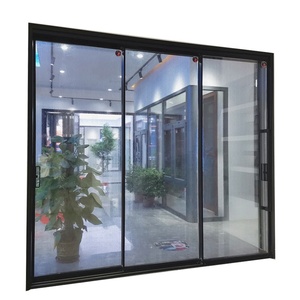
Best Price Modern Slide Glass Doors Frameless Aluminum Interior Noiseless Sliding Door
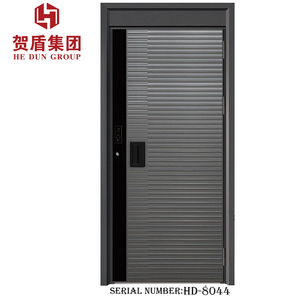
Cast Aluminum Entrance Door Entrance Doors for Home Carved Relief Pattern Moisture Resistance Villa Exterior
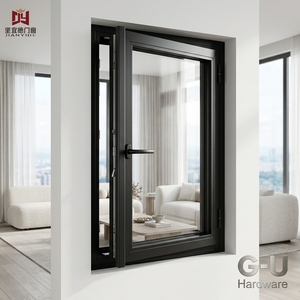
High Performance Casement Window Multi-Purpose Aluminum Casement Window-hardware G-U/ European Style
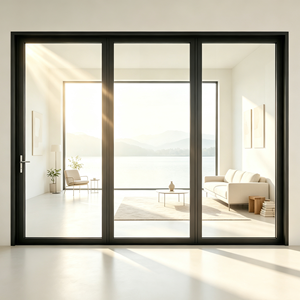
American Certification NFRC Weather Resistance Powder Coating Finished Aluminum Alloy Glass Accordion Doors
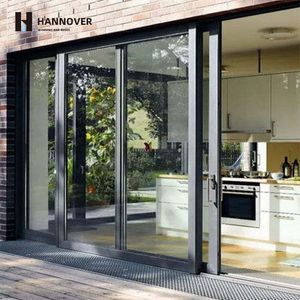
HANNOVER AS2047 Australian Standard Sliding Door Double Glazed Cavity Exterior Stacking Balcony Doors
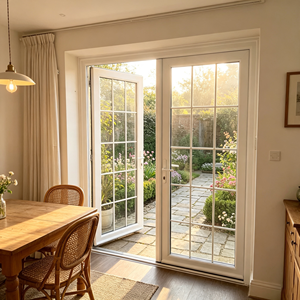
HUACAI OEM Factory Modern Casement Door Aluminum Thermal Break for Hotel Sky Lounge Architecture
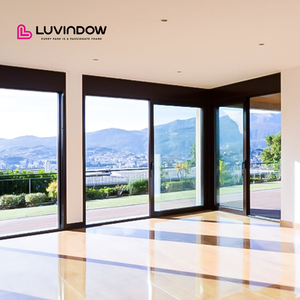
LUVINDOW Wholesale Aluminum Profile Lift and Sliding Patio Glass Door for Outdoor Partitions & Terraces
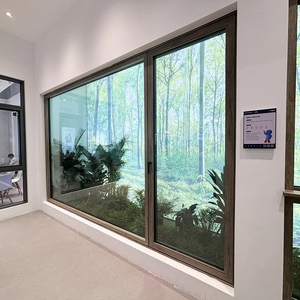
Fuson Aluminum Alloy Drift Bay Windows Flat Opening Inner Inverted Soundproof Glass System Broken Bridge
Architectural Engineering & Whitepaper: Technical Guide to CE Certified Aluminium Louvre Doors
Modern architectural design increasingly balances aesthetic minimal sightlines with aggressive environmental performance targets. CE Certified Aluminium Louvre Doors stand at the intersection of mechanical ventilation, dynamic solar heat gain coefficient (SHGC) reduction, hurricane-grade storm protection, and acoustic attenuation. As high-density urban developments and luxury coastal villas demand multi-functional building envelopes, specifying certified louvre systems is essential for structural integrity and regulatory compliance.
In accordance with European Union standard EN 13659 (Performance Requirements for Shutters and External Blinds) and EN 14351-1 (Windows and External Pedestrian Doorsets), certified aluminium louvre doors must withstand specific mechanical stresses, wind resistance pressures (EN 12210), and water tightness parameters (EN 12208). BrioWindow Technology Co., Ltd. manufactures extruded architectural louvre systems engineered to fulfill these European Norms alongside North American (NFRC/AAMA) and Australian (AS2047) code compliance.
Structural Profile Extrusion
Fabricated using high-tensile 6063-T5 or 6061-T6 aluminum alloys. Wall thickness ranging from 2.0mm to 3.0mm guarantees structural deflection limits under severe wind loads (up to Class C5 / 3000 Pa).
Storm-Proof & Water Ingress Control
Engineered dual Z-blade, Y-blade, and aerofoil blade profiles featuring integrated internal drainage channels, perimeter rubber gaskets, and water-stop lip geometry to prevent wind-driven rain penetration.
Thermal & Acoustic Hybridization
Available with polyamide thermal barrier strips (PA66GF25) and insulated acoustic louvre baffles filled with high-density mineral wool, achieving sound reduction ratings up to Rw 42 dB.
Aerodynamic Blade Geometry & Ventilation Efficiency
The aerodynamic performance of an architectural louvre door is governed by its free area percentage (K-factor) and discharge coefficient. BrioWindow’s aerofoil blade series optimizes air volume flow rates while minimizing pressure drop across the building envelope. Whether specified for electrical plant room ventilation, generator enclosures, or residential balcony partitions, our operable and fixed louvre systems maintain structural stability under continuous laminar and turbulent air streams.
Engineering Data & Louvre Door Specification Matrix
To assist architectural specifiers, MEP engineers, and commercial facade contractors, the table below outlines the core technical specifications and performance benchmarks across our standard and custom CE-certified louvre door series.
| Performance Parameter | Fixed Z-Blade Series | Operable Aerofoil Series | Acoustic Baffled Series | Thermal Break Louvred Door |
|---|---|---|---|---|
| Primary Material Grade | EN AW-6063 T5 / T6 Extrusion | EN AW-6063 T6 Alloy | EN AW-6061 T6 Heavy Duty | 6063-T5 + PA66GF25 Thermal Strip |
| Profile Frame Depth | 50mm - 100mm | 75mm - 150mm | 150mm - 300mm | 85mm - 120mm |
| Free Airflow Area (%) | 52% - 68% | 0% to 78% (Variable) | 35% - 48% | 45% - 60% |
| Wind Load Resistance | EN 12210 Class 4 (2400 Pa) | EN 12210 Class 5 (3000 Pa) | ASTM E330 (3600 Pa) | EN 12210 Class 4 (2400 Pa) |
| Water Tightness Rating | EN 12208 Class 7A (300 Pa) | EN 12208 Class 9A (600 Pa) | Custom Water-Trap Drain | EN 12208 Class E750 |
| Acoustic Attenuation (Rw) | 14 dB - 18 dB | 18 dB - 24 dB (Closed) | 32 dB - 45 dB | 22 dB - 35 dB (Glazed Combination) |
| Surface Finishing | Qualicoat Powder Coating (60-80μm), Anodized (15-25μm), PVDF Fluorocarbon (3-Coat) | |||
| CE Certification Standards | EN 13659, EN 14351-1, EN 12020-2 Structural Tolerances, ISO 9001:2015 Manufacturing | |||
Manufacturing Excellence: BrioWindow Technology Co., Ltd.
Headquartered in Foshan, Guangdong—China's global capital for precision aluminum extrusion and fenestration engineering—BrioWindow Technology Co., Ltd. operates state-of-the-art production lines serving clients in more than 60 countries across North America, Europe, Australia, and the Middle East.
With over a decade of dedicated research, design, and manufacturing experience, BrioWindow has established an integrated supply chain that spans billet extrusion, precision CNC machining, automated corner punching, surface finishing, and rigorous pre-shipment testing.
Integrated Manufacturing Ecosystem
Our 10,000+ sqm Foshan factory houses multi-axis CNC machining centers, automated powder coating bays, and digital quality testing stations, delivering consistent dimensional accuracy across large project volumes.
Global Standard Compliance
Products are rigorously tested to meet European CE standards, Australian AS2047 fenestration guidelines, and American NFRC/AAMA weatherization standards, ensuring hassle-free site approvals.
30-Year After-Sales Quality Assurance
We stand behind our structural profiles, hardware linkages, and surface finishes with a comprehensive 30-year warranty, backed by direct engineering technical support for installation teams.
Custom OEM & Project Engineering
From architectural CAD shop drawings to custom profile extrusion dies, our in-house engineering team collaborates directly with developers, facade consultants, and importers to fulfill unique opening schedules.
Future Trends in Architectural Louvre Door Procurement (2025-2030)
The global construction and building envelope sector is undergoing a rapid transition toward decarbonization, intelligent building automation, and extreme-weather resilience. As procurement managers and architectural specifiers evaluate suppliers for upcoming projects, several critical trends are reshaping product selection criteria:
Smart BMS Integration & Actuation
Future louvre door installations are moving away from manual operation. Motorized louvre blades equipped with 24V DC linear actuators, KNX, Modbus, or BACnet protocol connectivity are becoming standard in smart commercial buildings for automated smoke clearance and night-purge natural ventilation.
Low-Carbon Recycled Aluminum Billets
With stringent EU Carbon Border Adjustment Mechanism (CBAM) regulations and Environmental Product Declarations (EPD) gaining traction, procurement strategies prioritize louvre profiles extruded using post-consumer recycled aluminum or hydroelectric-smelted primary metal with low embodied carbon emissions.
Hybrid Glazed-Louvre Safety Systems
Architects are increasingly specifying dual-function doors combining security louvres with internal thermal-break glass units or fly-screens, providing insect defense, acoustic control, and intrusion resistance (RC2 / RC3 security ratings) without sacrificing natural airflow.
Coastal Salt-Spray & Extreme Climate Resilience
As coastal urbanization accelerates, corrosion protection is paramount. Advanced surface treatments such as Qualicoat Class 2 / Class 3 super-durable powder coatings and 25-micron hard anodizing are now mandatory requirements for project tenders in coastal regions of Australia, the Caribbean, and the Southeastern United States, preventing filiform corrosion and color fading over decades of exposure.
Frequently Asked Questions (FAQ) for Importers & Specifiers
Direct technical answers to common questions asked by contractors, architectural specifiers, and hardware importers when sourcing CE-certified aluminium louvre doors from Foshan, China.
What specific CE standards apply to aluminium louvre doors?
Aluminium louvre doors exported to the European Economic Area must comply with EN 14351-1 (for pedestrian doorsets and external applications) and EN 13659 (for performance requirements of shutters and external blinds). These standards mandate testing for wind load resistance (EN 12210), water tightness (EN 12208), air permeability (EN 12207), operating forces, and mechanical durability across repeated opening cycles.
How do CE-certified louvre doors handle heavy rain penetration during storms?
Rain defense louvres utilize specialized blade geometry (such as dual-bank Z-blades or double-louvered aerodynamic hooks) combined with integrated internal mullion drainage channels. When wind-driven rain strikes the blade, gravity and centrifugal force drive water into vertical side collection channels, redirecting water out through the bottom sill weeping holes without permitting water ingress to the interior.
What aluminum alloy grade and temper are recommended for structural louvre framing?
We predominantly utilize EN AW-6063 T5 or T6 aluminum alloy for standard profiles due to its superior extrusion surface finish, high strength-to-weight ratio, and excellent anodizing response. For large structural spans or high-wind coastal environments, high-strength 6061-T6 or 6005A-T6 profiles with wall thicknesses from 2.5mm to 3.0mm are implemented to guarantee structural integrity.
Can motorized aluminium louvre doors integrate into smart commercial BMS systems?
Yes. BrioWindow’s operable louvre systems can be integrated with 24V DC concealed linear actuators or rack-and-pinion drives. These actuators connect directly with Building Management Systems (BMS) using KNX, Modbus, or BACnet automation protocols, enabling automatic operation triggered by rain sensors, wind anemometers, indoor temperature monitors, or fire/smoke alarm signals.
What acoustic attenuation rating can be achieved with soundproof acoustic louvres?
Acoustic louvre doors engineered with internal sound-absorbing mineral wool or high-density acoustic insulation baffles achieve weighted sound reduction index values (Rw) ranging from 32 dB to 45 dB (ISO 717-1). These are ideal for transformer rooms, generator enclosures, rooftop HVAC plant rooms, and industrial facilities requiring continuous ventilation alongside noise reduction.
How does BrioWindow protect aluminium louvre shipments during ocean freight transport?
All finished frames and louvre panels undergo multi-layer protective packaging: protective anti-scratch film on aluminum profiles, corner protective guards, EPE foam wrapping, and fully enclosed fumigation-free plywood crates. Containers are loaded with desiccants and moisture-barrier lining to ensure products arrive free from oxidation or mechanical vibration damage.
What information is needed to receive an engineering quotation for a custom project?
To provide an accurate engineering quote and shop drawings, please share: 1) Structural opening sizes or architectural CAD elevation drawings; 2) Preferred louvre type (Fixed Z-blade, Operable Aerofoil, Acoustic, or Thermal Break); 3) Surface finish and RAL color code; 4) Target performance requirements (wind load, water tightness, free air area); 5) Quantity and destination sea port.
Partner with China's Premier Aluminium Louvre Door Factory
Whether you require CE-compliant architectural louvres for commercial tenders, custom thermal break systems for luxury residential projects, or reliable OEM manufacturing support, BrioWindow Technology Co., Ltd. delivers engineered precision from Foshan to your jobsite.
