Engineered Architectural Product Range
Explore our CE-certified aluminium window and door systems, custom-built for high-rise commercial structures, luxury villas, and residential developments worldwide.
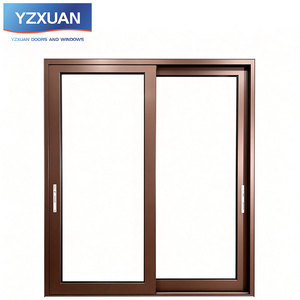
Coffee Brown Thermal Break Aluminum Sliding Door Double Tempered Glass
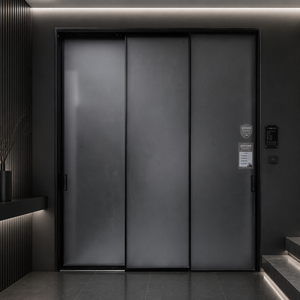
Space-Saving Interior Sliding Door Narrow Frame Glass Partition for Villa
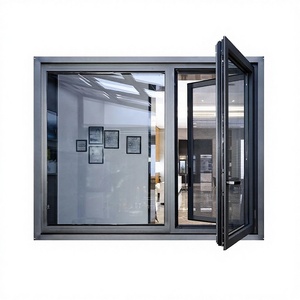
High Rise Aluminum Windows Withstand Gale Winds Never Leak or Warp
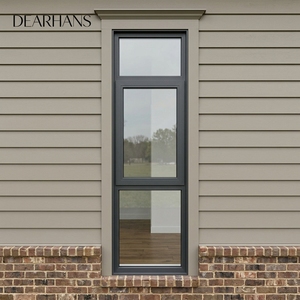
Australian Standard Double Glazed Soundproof Aluminium Casement Windows
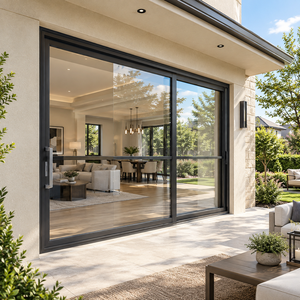
High-End Aluminum Sliding Door with Double Tempered Sliding Screen
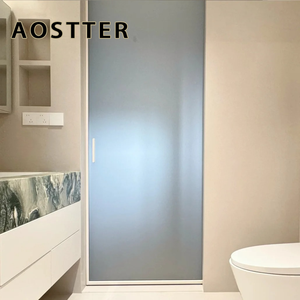
Modern Minimalist ISO Indoor Aluminum Pocket Hidden Sliding Door
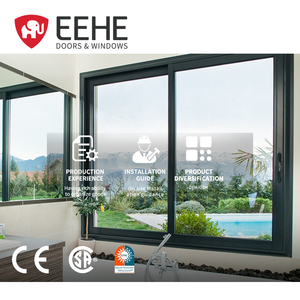
Hurricane Impact Sliding Windows NFRC Certified Soundproof Waterproof
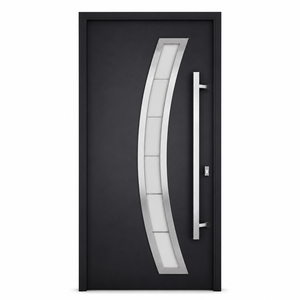
Custom Design Luxury Aluminum Alloy Waterproof Front Main Entrance Door
Comprehensive Engineering Analysis: What Defines a CE Certified Aluminium Jali Window?
In modern architectural fenestration, the term Jali Window refers to an advanced window assembly integrating protective grillwork, decorative security lattices, or high-tensile stainless steel mesh directly into an extruded aluminium frame structure. Originating as traditional perforated stone or wooden screens used across tropical and arid climates for passive cooling and visual privacy, contemporary aluminium Jali windows combine classical ventilation concepts with cutting-edge structural engineering.
Achieving CE Certification under EN 14351-1 (the harmonized European standard for windows and external pedestrian doorsets) requires aluminium Jali windows to undergo rigorous third-party testing across essential performance characteristics. As a premier direct factory manufacturer based in Foshan, China, BrioWindow Technology Co., Ltd. engineers aluminium Jali systems that meet and exceed these international benchmarks.
1. Alloy Metallurgical Specifications & Structural Deflection
Our aluminium profiles are extruded exclusively from primary 6063-T5 and 6063-T6 aluminium alloy billets, yielding a tensile strength exceeding 205 MPa and a yield strength of 170 MPa. This structural rigidity is essential for Jali windows, as the integrated grill or mesh insert must withstand both external physical impact and extreme wind load pressures without transmitting mechanical stress to the primary glazing seals.
2. Thermal Performance & U-Value Optimization
To combat thermal bridging in modern building envelopes, BrioWindow incorporates 24mm to 34mm wide glass-fiber reinforced Polyamide (PA66GF25) thermal break strips within the extruded aluminium frame. Paired with low-emissivity (Low-E) double or triple insulated glass units (IGUs) filled with 90% Argon gas, our CE-certified Jali window systems achieve overall thermal transmittance coefficients (U-values as low as 1.1 W/m²K to 1.4 W/m²K), drastically reducing HVAC energy loads in high-rise residential and commercial developments.
Engineering Performance Comparison Matrix
Comparative structural, thermal, and security analysis of architectural fenestration systems.
| Performance Benchmark | CE Certified Aluminium Jali Window | Traditional Steel Grill Window | Standard UPVC Mesh Window |
|---|---|---|---|
| Structural Material & Alloy | Extruded 6063-T6 Aluminium Alloy | Wrought Iron / Low-Carbon Mild Steel | Unplasticized Polyvinyl Chloride (UPVC) |
| Corrosion Resistance & Finish | PVDF Fluoropolymer / Powder Coating (25+ Yrs) | Prone to Oxidation & Rusting (Requires Repainting) | UV Degradation & Yellowing Over Time |
| Thermal Transmittance (U-Value) | 1.1 – 1.4 W/m²K (Thermal Break + Low-E) | 2.8 – 5.0 W/m²K (Extreme Thermal Bridging) | 1.6 – 2.2 W/m²K (Moderate Thermal Barrier) |
| Security & Impact Resistance | Class RC2 / RC3 Multi-Point Locking + Stainless Mesh | High Static Strength / Rigid Barriers | Basic Multi-Point / Flexible Frame Deflection |
| Air Permeability & Water Sealing | Class 4 Air / Class 9A Water (EN 12208) | Poor Sealability (Manual Latching) | Class 3 Air / Class 7A Water |
| Acoustic Insulation (Rw) | Up to 42 dB Reduction | Typically < 25 dB (Single Glazed) | Up to 34 dB Reduction |
Future Sourcing Trends & Product Development (2025–2030)
Key technological shifts shaping global B2B window and door procurement for architects, developers, and wholesale importers.
1. Decarbonization & Low-Carbon Aluminium Sourcing
Global building codes, particularly in Europe (EU Green Deal) and North America, are enforcing stringent embodied carbon limits. Future procurement mandates low-carbon primary aluminium smelted using hydroelectric power, alongside recycled aluminium extrusion billets. Factories capable of issuing Environmental Product Declarations (EPDs) will gain a massive competitive edge.
2. Smart IoT Integration & Motorized Ventilation
Modern architectural projects demand seamless integration between structural windows and Building Management Systems (BMS). The upcoming generation of Aluminium Jali Windows features concealed motorized actuators, automated rain/wind sensors, and smart magnetic contact switches embedded directly inside the outer aluminium profile frame.
3. Ultra-Slim Sightlines with High Security
The aesthetic trend toward minimalist architecture continues to push frame profiles down to interlocking sightlines of under 20mm. High-strength Jali security screens made of 0.8mm to 1.0mm 304/316 marine-grade stainless steel mesh replace bulky security bars, offering unobstructed panoramic views while meeting high-tier forced entry security ratings.
4. Extreme Weather Resilience & Cyclone Ratings
Driven by climate change and escalating storm intensities, procurement guidelines in coastal regions (such as Australia, the Caribbean, and the US Gulf Coast) require fenestration tested for extreme cyclical wind pressures (up to 5000 Pa) and heavy impact resistance. CE, AS2047, and NFRC certifications are mandatory purchasing prerequisites.
5. Prefabricated Unitized Window Modules
To reduce expensive on-site labor costs, developers are pivoting away from stick-built window installations toward fully factory-assembled, prefabricated unitized window panels. These integrated units arrive on site pre-glazed, pre-fitted with Jali security screens, and equipped with flashings for rapid installation.
6. Multi-Functional Acoustic Dampening Glazing
Urban density demands higher sound isolation. High-end sourcing now prioritizes acoustic laminated glass combinations (e.g., 6mm Clear + 1.52mm PVB + 6mm Low-E) integrated with sound-dampening EPDM weather seals, yielding sound transmission class (STC) ratings above 40 dB.
Why Partner with BrioWindow Technology Co., Ltd.
Headquartered in Nanhai District, Foshan—China’s premier aluminium extrusion and fenestration manufacturing hub—BrioWindow brings over a decade of direct OEM/ODM export expertise to international architects, building material importers, and commercial developers.
30-Year After-Sales Assurance
We stand behind our structural integrity, anodized surfaces, and thermal break assemblies with a comprehensive 30-year quality guarantee backed by global technical support.
Worldwide Export Compliance
Our fenestration systems are rigorously engineered and tested to comply with European (CE EN 14351-1), North American (NFRC / ASTM), and Australian (AS2047 / AS1288) standards, exporting to 60+ countries.
Comprehensive In-House Fabrication
From precision extrusion cutting, CNC corner crimping, and polyamide thermal strip insertion to automated insulating glass assembly and Jali mesh integration—every process is monitored in-house.
Bespoke Engineering & CAD Support
Our qualified engineering staff collaborates directly with your project architects, translating shop drawings, elevation schedules, and performance specifications into flawless production units.
Frequently Asked Sourcing & Technical Questions (FAQ)
Essential insights for overseas buyers, general contractors, and procurement managers evaluating factory-direct window manufacturing in China.
What specific testing protocols cover CE certification for aluminium Jali windows?
Under the harmonized standard EN 14351-1, CE certification requires windows to undergo mandatory testing for Air Permeability (EN 1026 / EN 12207), Water Tightness under static pressure (EN 1027 / EN 12208), Resistance to Wind Load (EN 12211 / EN 12210), Load-Bearing Capacity of Safety Devices, and Thermal Transmittance (EN ISO 10077-1). Test reports from accredited notified bodies must accompany the Declaration of Performance (DoP).
How does the integrated Jali (security mesh/grill) impact window cleaning and maintenance?
BrioWindow designs Jali systems with user convenience in mind. Our premium Jali windows utilize either detachable interior magnetic mesh frames, hinged swing-out grill panels equipped with independent key locks, or dual-sliding tracks. This enables effortless access to outer glass surfaces for cleaning without compromising physical security.
Can aluminium Jali windows be customized for extreme hurricane or cyclone zones?
Yes. For wind-prone coastal areas, we utilize heavy-wall 6063-T6 profiles (2.0mm to 3.0mm primary wall thickness), reinforced steel mullions, laminated hurricane-impact glass (e.g., 6mm + 1.52mm SGP + 6mm), and high-tensile 316 stainless steel security screens rated to resist high-velocity wind projectiles and cyclic pressures exceeding 5000 Pa.
What surface finishes are available to prevent fading in high-UV tropical environments?
We provide architectural-grade PVDF (Fluoropolymer) coatings compliant with AAMA 2605 specifications, guaranteeing resistance against chalking, fading, and chemical exposure for 20 to 25 years. Additionally, we offerQualicoat Class 2 powder coatings, anodized finishes (15–25 microns), and realistic wood-grain heat transfer finishes.
What technical specifications should buyers prepare before requesting a factory quotation?
To receive an accurate engineering proposal and quotation, buyers should provide: (1) Window/Door schedule with clear rough opening dimensions; (2) Architectural section drawings or preferred opening styles (casement, sliding, tilt-turn); (3) Performance targets (U-value, STC acoustic rating, wind load); (4) Glass specifications (double/triple, Low-E, tinted, laminated); (5) Frame color and coating type; (6) Project location and destination seaport.
How are large window packages protected during sea transport and container loading?
All finished window units undergo a 5-layer protective packaging process: (1) Protective film over aluminium profiles; (2) Corner guard protectors; (3) Bubble wrap cushioning; (4) Waterproof PE wrapping; (5) Custom fumigated solid plywood crates or steel-framed A-frame crates. Units are labeled by opening tag numbers matching site shop drawings for seamless site installation.
What hardware brand options can be specified for BrioWindow products?
We offer top-tier European hardware systems including Siegenia, Hoppe, G-U, and Roto for heavy-duty tilt-turn and sliding systems, as well as premium Kin Long and CMECH hardware solutions optimized for international commercial applications.
What is the typical manufacturing lead time for custom project orders?
Standard factory production lead time is approximately 25 to 35 days following final engineering shop drawing approval and color sample sign-off. For specialized custom dies or large-scale multi-story commercial tenders, lead times are scheduled according to project phase requirements.
Request an Engineering Consultation & Factory Quote
Looking for CE-certified aluminium Jali windows, sliding doors, or curtain wall systems for your upcoming construction project? Speak directly with our Foshan engineering specialists today.
