CE Compliant Architectural Window & Door Series
Factory-direct thermal break aluminium window and door systems rigorously tested for acoustic dampening, hurricane wind resistance, and structural longevity.
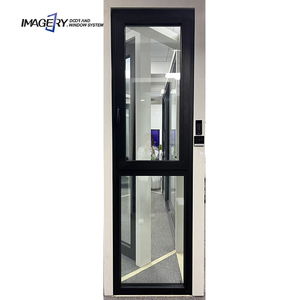
Smart Houses Thermal Break Electric Tilt & Turn Windows
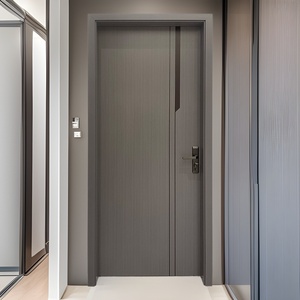
Anti-Theft Bedroom Soundproof All-Aluminum Interior Door
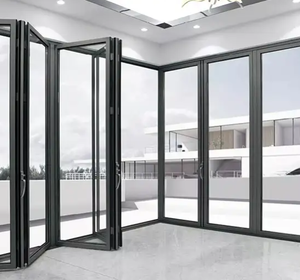
Commercial 6000 Series Bi-Fold & Vertical Fold Glass Window
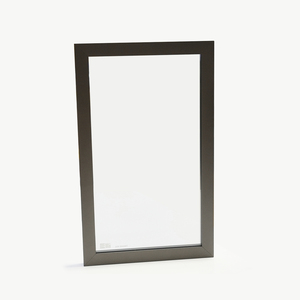
Air Smart Handle-Less Kitchen Aluminium Glass Cabinet Door
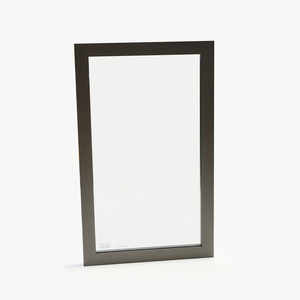
Custom Glass Door Peripheral Frame Aluminium Window Unit
Hurricane Impact NFRC Certified Soundproof Sliding Windows
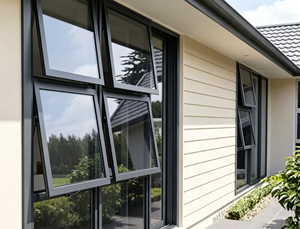
Luxury Awning Window Triple Glazed Top-Hung Ventilation Unit
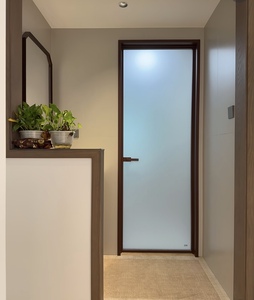
Modern Soundproof Aluminum Frame Glass Panel Entry Door
Engineering Standards for CE Certified Aluminium Fenestration Export
In modern architectural engineering, the specification of fenestration systems has evolved from basic physical spatial enclosures into critical energy-efficiency, safety, and acoustic control envelopes. BrioWindow Technology Co., Ltd., headquartered in Nanhai District, Foshan City—China's primary hub for premium aluminium extrusion—operates at the intersection of European engineering standards and advanced manufacturing scale. Serving clients across the United States, Canada, Australia, and over 60 countries globally, our manufacturing framework prioritizes technical compliance, material integrity, and structural reliability.
"Under Google's Search Quality Rater Guidelines and international engineering benchmarks, empirical performance data, verified certification, and traceable manufacturing standards form the backbone of trustworthy procurement."
Why CE Certification (EN 14351-1) Matters for B2B Sourcing
For commercial developers, importers, and architects, importing aluminium windows into the European Union and aligning with global standards requires comprehensive adherence to EN 14351-1 (the harmonized standard for windows and external pedestrian doorsets). CE marking is not merely a label—it requires rigorous third-party laboratory verification across four essential mechanical and physical parameters:
| Testing Parameter | European Standard | BrioWindow Performance Metrics | Engineering Implication |
|---|---|---|---|
| Air Permeability | EN 12207 | Class 4 (Highest Rating - Up to 600 Pa) | Minimizes involuntary air infiltration; optimizes HVAC thermal efficiency. |
| Water Tightness | EN 12208 | Class E900 (900 Pa Static Pressure) | Prevents moisture intrusion during hurricane-force driving rainfall. |
| Resistance to Wind Load | EN 12210 | Class C5 / P3 (Up to 2000 Pa Deflection) | Ensures structural deflection remains within safe limits (L/175) under extreme load. |
| Thermal Transmittance (U-Value) | EN ISO 10077-2 | Uw ≤ 1.1 W/(m²·K) with Triple Low-E IGUs | Substantially reduces thermal bridging and carbon footprint of buildings. |
By leveraging high-grade 6063-T6 extruded aluminium alloy profiles paired with PA66 GF25 (25% fiberglass reinforced polyamide) thermal break strips, BrioWindow products mitigate structural thermal bridging. This structural configuration prevents condensation, enhances indoor thermal retention, and complies with passive house standards in cold climate zones while resisting severe solar degradation in tropical environments.
Core Enterprise Capabilities & Operational Advantages
Integrating end-to-end design, custom extrusion, precision CNC machining, and global logistic assurance.
Strict Quality Assurance & 30-Yr Warranty
Every profile undergoes rigorous laboratory tensile testing, anodizing film depth verification (15-25µm), and salt-spray corrosion testing. Backed by a full 30-year structural warranty.
Full Material Spectrum Supply
Single-source responsibility covering thermal break aluminium, PVC profiles, solid wood entry systems, fire-rated doors, smart motorized facades, and custom architectural curtain walls.
Global Compliance & Export Logistics
Engineered to satisfy North American NFRC/AAMA codes, Australian AS2047/AS1288 standards, and European CE directives. Shipped directly from Foshan port with sea-worthy packaging.
Future Sourcing Trends in Architectural Aluminium Fenestration
As the international construction sector transitions toward Net-Zero Energy Buildings (NZEB) and strict carbon accounting, B2B buyers must align procurement strategies with emerging structural and material trends.
1. Ultra-Slim Sightline Minimalist Architectural Profiles
Modern architectural design favors expansive glazed areas that maximize daylight autonomy. BrioWindow’s Middle Narrow Sliding Series and Central Axis Pivot Doors utilize high-tensile 6063-T6 alloy frames with interlocking profiles as thin as 20mm. These systems withstand heavy wind loads while providing unobstructed panoramic views, making them the preferred choice for high-end residential villas and commercial developments in North America and Australia.
2. Integration of Smart Automation & IoT Motorization
Building management systems (BMS) are increasingly incorporating motorized window actuators. Future-proof procurement requires windows fitted with concealed electric chain actuators, rain sensors, and smart home integration protocols (Zigbee/Matter). BrioWindow’s smart tilt-and-turn series feature built-in motorization with manual override options, delivering optimal ventilation control for elevated or hard-to-reach openings.
3. Decarbonization & Recycled Aluminium Extrusions
With environmental product declarations (EPDs) becoming mandatory in EU tenders, the carbon footprint of aluminium production is under intense scrutiny. BrioWindow utilizes low-carbon primary ingot aluminum processed with clean hydro-power energy sources, along with recycled scrap scrap integration options to help developers accumulate LEED and BREEAM sustainability credits.
Frequently Asked Sourcing & Technical Questions
Clear, actionable engineering insights for importers, developers, and general contractors evaluating Foshan window suppliers.
