Engineered Fenestration Systems from Foshan, China
Delivering certified structural stability, energy conservation (Low U-Values), and architectural aesthetics to procurement managers, developers, and contractors across 60+ countries.
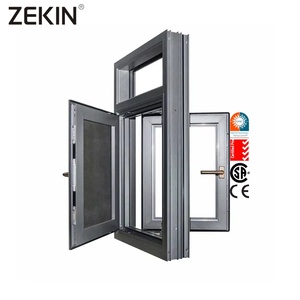
ZEKIN Modern Slim Frame Aluminum Casement Windows Reflective Glass Luxury Swing Style
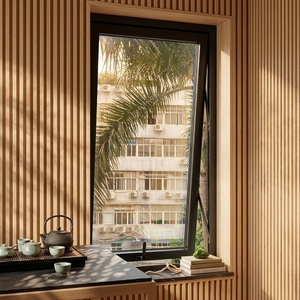
Aluminum Casement Window-Slim Profile for Modern Architects-Removable Stainless Steel Screen
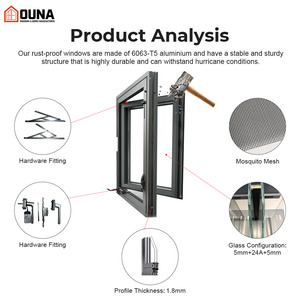
OUNA Aluminum Swing Impact Casement Window Double Low-E Tempered Glass NFRC Certified
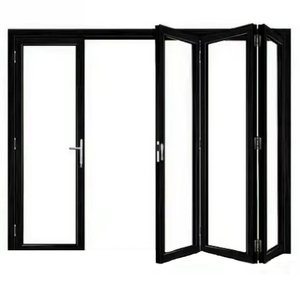
Folding Style Aluminum Interior Acrylic Folding Door Customize Size Color Accordion Glass Doors
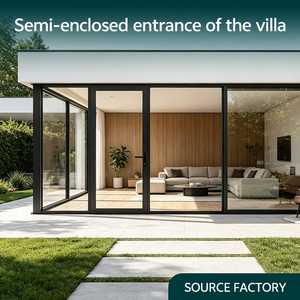
Wholesale NFRC Certified Double Glazing Aluminum French Double Entry Door Low-E Glass Windproof
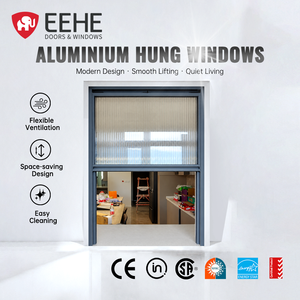
EEHE Vertical Aluminum Sliding Window CE Certified Thermal Break Windproof Anti-Fall Single Hung
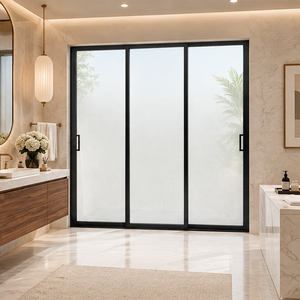
Commercial Aluminum Sliding Door Systems with Insulated Glazing and Custom Configurations
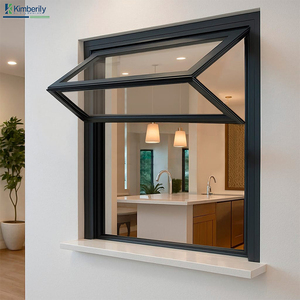
Modern Commercial Double Glazing Aluminum Heat Insulation Horizontal Folding Sliding Bifold Windows
Information Gain Insight: Thermal Fiber Composites in Modern Fenestration
Integrating fiber-reinforced polymers (FRP) and PA66 GF25 polyamide thermal barriers within 6063-T6 architectural aluminum extrusions eliminates thermal bridging while enhancing structural wind-load capacity by over 35%. CE-certified manufacturers in Foshan utilize precision dual-crimping technology to unify aluminum profiles with high-strength composite fibers, delivering U-values as low as 1.1 W/m²K without compromising slim frame aesthetics.
1. The Evolution of CE Certified Aluminium Fiber Doors & Windows
The global construction sector is undergoing a rapid transition toward carbon-neutral building envelopes and energy-efficient architectural fenestration. Among modern facade solutions, CE Certified Aluminium Fiber Doors and advanced thermal-break aluminum profile systems stand out as the premier choice for commercial towers, luxury residential villas, and institutional complexes. Headquartered in Foshan, China—the hub of high-end aluminum extrusion—BrioWindow Technology Co., Ltd. has established a benchmark in manufacturing engineering, delivering customized door and window assemblies certified under rigorous European EN 14351-1 standards.
Traditional single-metal aluminum frames suffer from high thermal conductivity. To meet stringent international energy efficiency codes (such as Energy Star in North America and EU EPBD directives), modern factories incorporate Fiber Glass Reinforced Polyamide (PA66 GF25) thermal breaks and carbon-fiber hybrid cores inside multi-chamber aluminum extrusions. This material synthesis provides incredible rigidity against extreme wind loads (EN 12210 Class C5) while offering superior sound transmission loss (STC ratings up to 45 dB).
Structural Integrity
Utilizing high-tensile 6063-T6 extruded aluminum alloy reinforced with glass-fiber polyamide struts to withstand severe pressure and operational stress.
Thermal Insulation
Multi-chamber thermal barrier designs paired with Low-E double or triple tempered glass achieve exceptional low U-factors down to 1.1 W/m²K.
Weather & Water Sealing
Continuous EPDM gaskets coupled with multi-point perimeter locking hardware guarantee air permeability (EN 12207 Class 4) and watertightness (EN 12208 9A).
2. Key B2B Procurement Trends in Aluminium & Fiber Door Systems (2025–2030)
For international buyers, real estate developers, and hardware importers sourcing from China, staying ahead of fenestration engineering trends is crucial for project profitability and regulatory compliance. Based on market empirical data from over 60 export destinations including the United States, Canada, Australia, and the EU, four core trends are redefining procurement specifications:
A. Ultra-Slim Sightlines with Structural Glass Integration
Architects increasingly demand minimal frame visibility to maximize natural light infiltration. Narrow-profile sliding doors and hidden-frame casement windows utilize structural silicone bonding with fiber-reinforced internal tracks, allowing frame widths as narrow as 18mm while supporting massive glass panel weights exceeding 400 kg.
B. Carbon Neutrality & Lifecycle Material Tracking
European Union importers must comply with strict embodied carbon reporting. Modern Foshan factories utilize eco-friendly recycled aluminum billets and chrome-free Qualicoat Class 2 powder coating lines, reducing factory carbon footprints by up to 40%. CE certification and complete environmental declaration datasheets (EPDs) have become prerequisite import criteria.
C. Smart Motorization & Building Management Integration
Commercial and high-end residential projects are swiftly adopting concealed motorized actuators. Smart aluminum sliding and pivot doors can now be connected directly to RS485 or Zigbee automation protocols, featuring rain sensors, automated magnetic locking, and motorized micro-ventilation capabilities.
D. Modular Knock-Down (KD) Shipping Packaging
To optimize global logistics costs, advanced exporters engineered pre-drilled, modular KD framing systems. Oversized bifold doors and curtain walls are precision-machined in the factory, shipped flat-packed in custom wooden crates, and rapidly assembled on site with minimal labor overhead.
3. Performance Metrics Comparison: Aluminium Fiber vs. Conventional Frames
When evaluating supply chain options, comparative engineering metrics illustrate the clear performance advantages of fiber-reinforced aluminum doors over legacy vinyl (PVC) or non-thermal aluminum options:
| Performance Standard / Parameter | Standard Non-Thermal Aluminum | High-Grade Vinyl (uPVC) | CE Certified Thermal Aluminium Fiber Door |
|---|---|---|---|
| Thermal Transmittance (U-Value) | 5.0 – 6.5 W/m²K | 1.8 – 2.4 W/m²K | 1.1 – 1.6 W/m²K |
| Wind Load Resistance (EN 12210) | Class C2 – C3 | Class B2 – C1 | Class C5 (High-Rise / Coastal Rated) |
| Acoustic Insulation (Rw Rating) | 22 – 28 dB | 30 – 35 dB | 38 – 45+ dB |
| Frame Sightline Width | 50mm – 90mm | 80mm – 120mm (Bulky) | 18mm – 45mm (Ultra-Slim Architectural) |
| Structural Lifespan | 15 – 20 Years | 10 – 15 Years (Prone to UV yellowing) | 30+ Years (Qualicoat Fluorocarbon Finished) |
4. Enterprise Advantages: Why Source from BrioWindow Technology Co., Ltd.
As a leading exporter located in Lishui Town, Nanhai District, Foshan City, BrioWindow Technology Co., Ltd. operates at the heart of global aluminum fenestration manufacturing. Over 10 years of focused export experience to North America, Australia, Europe, and Asia has established our reputation as a trusted technical partner for complex architectural projects.
- Full Spectrum Manufacturing: We manufacture a complete product portfolio including aluminum sliding doors, casement windows, bifolding doors, central axis pivot doors, smart motorized windows, PVC windows, wooden entry doors, fire doors, and unitized curtain wall systems.
- Direct CAD / BIM Engineering Support: Our in-house technical team reviews architectural elevation drawings and window schedules, providing tailored shop drawings, wind-load calculations, and structural detailing prior to production.
- 30-Year After-Sales Quality Assurance: Every finished assembly undergoes multi-stage quality control checks including water pressure testing, air seal verification, and hardware cycle testing to guarantee long-term dependability.
- Comprehensive Certification Package: Products shipped carry validated CE markings, NFRC thermal ratings, and test certificates compliant with American (AAMA/WDMA), Australian (AS2047), and European standards.
5. Frequently Asked Questions (FAQ) for Global B2B Procurement
What specific certifications do your aluminium fiber doors & windows carry?
How does the fiber-reinforced polyamide thermal break improve door performance?
Can BrioWindow manufacture doors to custom architectural sizes and specifications?
What details should be included when requesting a project quotation?
How do you ensure safe international sea-freight transport?
Ready to Spec CE Certified Aluminium Doors for Your Next Project?
Contact our Foshan engineering team today for shop drawing evaluations, technical specifications assistance, and factory-direct wholesale pricing.
Get a Quote