Choosing the best aluminium sliding door is not simply a matter of selecting the largest glass panel. It involves balancing thermal performance, frame strength, security, ventilation, and everyday comfort. Aluminium Sliding Doors can create wide openings, brighten darker rooms, and connect living areas with gardens or balconies. Yet the right design depends on the building, climate, and how often the door is used.
A well-designed system should slide smoothly without excessive force. Look for corrosion-resistant aluminium, durable rollers, reliable locks, and weather seals that reduce drafts and water entry. In colder regions, thermally broken frames can help limit heat transfer. In warmer climates, low-emissivity glass and suitable shading may improve indoor comfort. Frame depth matters too. Larger panels often require stronger tracks and more careful installation.
Details make the difference.
During selection, measure the opening accurately and consider furniture clearance, drainage, and cleaning access. A slim frame may look elegant, but it is not automatically the most efficient or secure choice. Some manufacturers provide impressive performance figures, although those figures should be checked against recognised testing standards and actual installation conditions. I have found that poor alignment can make a premium door feel disappointing within months.
This guide compares common aluminium sliding door types, including standard, thermally broken, lift-and-slide, and multi-panel systems. It examines their practical strengths, limitations, costs, and maintenance needs. The goal is not to promote one universal answer. It is to help you choose a dependable door that suits your space, budget, and long-term expectations.
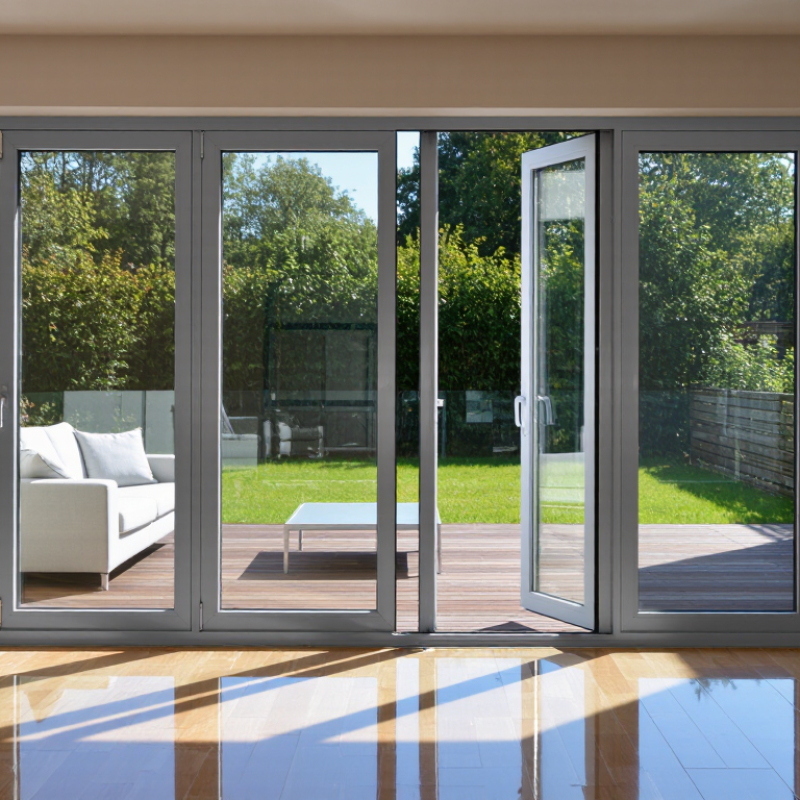
Types of Aluminium Sliding Doors and Their Key Differences
Choosing the best aluminium sliding door depends on opening size, climate, ventilation, and daily use. The main types include two-panel, three-panel, multi-track, lift-and-slide, and pocket systems. A two-panel door suits compact balconies and smaller rooms. It is simpler, lighter, and usually less costly. Three-panel and multi-track designs create wider openings, but they need stronger frames and more precise installation.
Lift-and-slide doors use a raised panel mechanism. The sash moves smoothly, even when the glass is large and heavy. They offer better sealing than basic sliding systems, though their hardware costs more. Pocket doors disappear into the wall, saving floor space. However, they require careful waterproofing and future access for repairs. A thermal-break aluminium frame also reduces heat transfer. It matters most in hot or cold climates.
The U.S. Department of Energy reports that windows can cause 25–30% of household heating and cooling energy use. Sliding doors contain similar large glass areas, so glass coating, spacer quality, and frame design deserve attention. The International Energy Agency states that buildings consume about 30% of global final energy. Small details matter. In practice, low-e double glazing, tight seals, and correct drainage often outperform a fashionable frame alone. Yet no door is perfect. Wider panels can feel impressive, but they may increase cleaning effort, hardware wear, and installation risk. A qualified installer should check wind exposure, sill drainage, and panel weight before selection.
What Is the Best Type of Aluminium Sliding Door?
The best choice depends on the required opening size, thermal performance, ventilation, accessibility and panel operation. This chart presents an indicative 1–5 comparison of common aluminium sliding door configurations; higher scores represent stronger suitability for each characteristic.
Standard two-panel systems are practical for everyday use, lift-and-slide doors are better suited to large glazed openings, multi-track systems provide greater opening flexibility, and sliding-folding doors offer the widest clear opening when ventilation and access are priorities. Actual performance varies with frame depth, glazing, seals, hardware and installation quality.
How Door Materials, Frames, and Glass Affect Performance
The best aluminium sliding door depends on how its materials respond to your climate and daily use. On a recent renovation, a lightweight frame looked attractive but flexed slightly under wind pressure. The larger opening needed a stronger profile, not simply more glass.
Aluminium frames are durable, slim, and resistant to moisture, but untreated surfaces can suffer in salty coastal air. A thermal-break frame reduces heat transfer through the metal. This matters when winter condensation appears around the inner edge. Check the frame depth, drainage channels, and roller capacity. Small rollers often become noisy when the door is frequently moved or poorly aligned.
Glass changes comfort as much as the frame does. Double glazing can reduce heat loss and outside noise, while low-emissivity coatings improve insulation without making the room dark. Tempered glass offers better impact resistance. Laminated glass can remain bonded after breakage and may improve sound control. For a sunny room, solar-control glass helps limit fading and afternoon heat.
Details matter.
The locking system should engage evenly across the panel. Gaps should remain consistent from top to bottom. I once focused too heavily on thermal performance and overlooked the handle position; the finished door was efficient but awkward for shorter users. Professional measurement, correct installation, and occasional track cleaning usually affect performance more than advertised specifications.
Choosing the Best Aluminium Sliding Door for Your Space
What Is the Best Type of Aluminium Sliding Door?
Choosing the Best Aluminium Sliding Door for Your Space
The best aluminium sliding door depends on your room, climate, and daily habits. A wide opening may need two or three panels. Smaller rooms usually benefit from a slimmer, lighter design. Measure the opening at several points, because walls are rarely perfectly square. I learned this after seeing a door fit well at the top but drag near the floor.
Look for thermally improved aluminium frames when temperature control matters. These frames reduce heat transfer through the metal. Double glazing can also improve comfort and reduce outside noise. In wet or coastal areas, ask about drainage paths and corrosion-resistant surface treatments. Strong rollers should move smoothly without rattling. Check the locking system carefully, especially in homes with children or ground-level openings. Professional installation matters as much as the door itself.
Tips: Compare frame depth, glass thickness, roller quality, and warranty terms. Stand inside the room and test the handle before ordering. The smoothest sample may not represent poor installation. Ask how replacement rollers are accessed. This detail is easy to ignore. Leave enough space for curtains, furniture, and cleaning access. A beautiful door can become inconvenient when a sofa blocks its travel. Recheck measurements before fabrication, even if someone measured them already.Mistakes still happen.
What Is the Best Type of Aluminium Sliding Door? - Choosing the Best Aluminium Sliding Door for Your Space
| Door Type |
Best For |
Typical Panel Width |
Typical Panel Height |
Glazing Options |
Thermal Performance |
Weather Resistance |
Main Advantage |
Key Consideration |
| Standard Aluminium Sliding Door |
Apartments, patios, balconies and everyday residential use |
600–1,200 mm |
1,900–2,400 mm |
Single or double glazing; 4–6 mm glass commonly used |
Moderate; non-thermally broken frames provide limited insulation |
Suitable for sheltered and moderate-exposure locations |
Cost-effective and space-saving |
Lower energy efficiency and more noticeable frame sightlines |
| Thermally Broken Aluminium Sliding Door |
Energy-efficient homes and properties in variable climates |
700–1,500 mm |
2,000–2,700 mm |
Double or triple glazing, typically 20–44 mm overall glass thickness |
High; insulated frames help reduce heat transfer and condensation |
Good when combined with suitable seals, drainage and correct installation |
Improved comfort and reduced heating or cooling demand |
Higher purchase cost and deeper frame profiles |
| Lift-and-Slide Aluminium Door |
Large openings, premium residences and frequent indoor-outdoor access |
900–3,000 mm |
2,100–3,200 mm |
Double or triple glazing; large safety-glass units available |
High when fitted with thermally broken frames and insulated glazing |
Very good, subject to tested seals, drainage and installation quality |
Large panels can be moved smoothly with less operating effort |
Requires strong structural support and accurate installation |
| Slim-Frame Aluminium Sliding Door |
Contemporary interiors, panoramic views and minimalist designs |
700–2,000 mm |
2,000–3,000 mm |
Large double-glazed panels; some systems support triple glazing |
Moderate to high, depending on frame design and glazing specification |
Depends heavily on drainage design and the exposure level |
Maximizes daylight and reduces visible frame area |
Slimmer sections may limit panel size, hardware choice or acoustic performance |
| Multi-Panel Sliding Door |
Wide living areas, extensions and open-plan entertaining spaces |
600–1,500 mm per panel |
2,000–3,000 mm |
Double or triple glazing; laminated glass may improve safety and acoustics |
Moderate to high, depending on the number of panels and frame system |
More joints require careful sealing and routine track maintenance |
Creates a broad opening while retaining flexible ventilation options |
More panels can increase cost, weight and installation complexity |
| Heavy-Duty Aluminium Sliding Door |
Coastal properties, high-traffic buildings and demanding applications |
900–2,500 mm |
2,100–3,200 mm |
Laminated, toughened, double or triple glazing according to project requirements |
Moderate to high, depending on the frame and glazing combination |
Designed for stronger wind loads when properly specified and tested |
Durability, stability and support for larger glass panels |
Heavier components may require reinforced structure and specialized hardware |
Selection Guide:
Choose a standard sliding door for budget-conscious projects, a thermally broken system for improved energy efficiency, a lift-and-slide system for very large openings, a slim-frame system for maximum views, or a heavy-duty system for exposed and high-use locations. Actual performance depends on glass specification, frame design, drainage, hardware, local wind conditions and professional installation.
Essential Installation and Cost Factors to Consider
What Is the Best Type of Aluminium Sliding Door?
Essential Installation and Cost Factors to Consider
A thermally broken aluminium sliding door often suits homes with changing temperatures. Its insulated frame reduces heat transfer through the metal. However, frame design alone cannot solve poor installation.
Measure twice.
The opening must be checked for level, square, moisture, and structural movement. Even a few millimetres of distortion can make the panels drag or leave uneven gaps. A reliable installer should inspect the wall before ordering the door, not after delivery.
Installation costs usually include preparation, flashing, drainage, glazing, hardware, labour, and finishing work. Larger panels need stronger rollers and safer handling equipment. Triple glazing may improve insulation, but it also increases weight and labour time.
Ask whether the quoted price includes removing the old frame and repairing surrounding plaster or brickwork. These small items can change the final cost.
I have seen a cheaper estimate become expensive after hidden sill damage appeared. That mistake is worth remembering.
A low threshold can improve access, yet it may require more careful waterproofing. Water must drain outward, especially around exposed openings. Track cleaning also matters. Dust and grit can shorten roller life.
Before choosing a door, compare thermal performance, glass specification, drainage details, warranty terms, and installation experience. A beautiful frame will not perform well if the sill is poorly sealed or the rollers are incorrectly adjusted.
Conclusion
Choosing the best Aluminium Sliding Doors depends on how well their design, materials, and performance match your space. Different door types may vary in panel size, opening configuration, frame profile, and operating style. Frame quality, glass selection, and construction methods influence natural light, ventilation, thermal insulation, noise reduction, and overall comfort. For colder or hotter environments, energy-efficient glass and well-sealed frames can help maintain a more stable indoor temperature.
Security, durability, and maintenance should also guide your decision. Strong hardware, reliable locking systems, and durable finishes can improve long-term safety and appearance, while smooth rollers and corrosion-resistant components reduce maintenance needs. Before purchasing, consider the wall opening, floor level, drainage, installation conditions, and local climate. Costs may include the doors, glazing, accessories, professional installation, and future servicing. By balancing performance, style, budget, and practical requirements, you can select Aluminium Sliding Doors that provide lasting value and suit your home or commercial space.