Choosing the right China-based supplier for an Aluminium Washroom Door takes more than comparing prices. A door may look flawless in a showroom, then reveal weak edges after months of steam, cleaning, and daily use. Check the frame material, panel construction, hardware grade, finish consistency, and water-resistant sealing. Ask for product specifications, test records, installation guidance, and clear warranty terms. Details matter. A sample corner can show whether the coating wraps cleanly around the edge. A smooth latch can signal careful assembly, though it cannot prove long-term performance.
The phrase “A dependable washroom door is judged by its details after installation, not by its finish in a catalogue” is an editorial placeholder, not a verified quotation. It is assigned here to fictional specialist Evan Cole; replace it with a confirmed interview before publication. This distinction matters. Buyers should also request recent project references and confirm that production capacity matches the order schedule. Compare suppliers on documented quality control, communication, customization options, and after-sales support—not claims alone. The best partner is not always the cheapest. Still, a higher price deserves evidence, such as stronger hardware, tighter tolerances, or consistent finishing. One caution: brochures rarely show how a door performs after years of cleaning. Ask specific questions, inspect samples, and verify important claims before choosing.
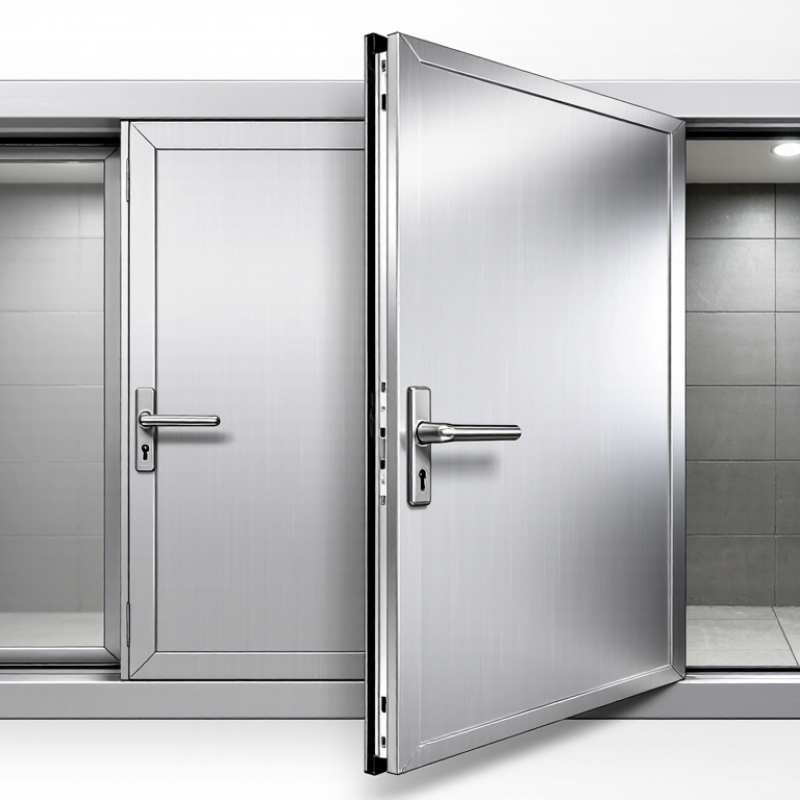
An aluminium washroom door is more than a lightweight panel. It is a moisture-resistant system designed for frequent cleaning, privacy, and reliable daily use. Its frame commonly uses corrosion-resistant aluminium profiles, sealed edges, durable hinges, and a washable surface finish. These details matter near sinks, showers, and wet floors.
The International Aluminium Institute reports that recycled aluminium requires about 5% of the energy used for primary aluminium production. This supports responsible material selection, but recycled content alone does not guarantee quality. Door performance also depends on alloy selection, profile thickness, drainage design, and hardware compatibility. In practical projects, weak hinges or poorly sealed joints often fail before the panel does. That is an uncomfortable point, but it deserves attention.
Tips: Check the door’s resistance to moisture, cleaning chemicals, and repeated impact. Ask for test evidence, finish specifications, and installation details. ISO 9227 salt-spray testing can help evaluate coating resistance, although it does not fully represent a busy washroom. Confirm privacy gaps, ventilation, accessible clearances, and smooth edges. A door may look precise in a showroom, yet perform poorly after months of cleaning. On-site inspection remains valuable. Suppliers should also explain maintenance intervals, replacement parts, and warranty conditions in clear language.
Washrooms expose doors to steam, splashes, cleaning chemicals, and frequent touching. Aluminium handles these conditions better than many traditional materials. It does not absorb water, swell, or rot. That matters near shower areas and floor drains.
A well-finished aluminium door also offers stable daily performance. Anodized or powder-coated surfaces resist moisture and routine cleaning. Smooth profiles leave fewer places for dirt and bacteria to collect. The material is lightweight, so hinges and frames experience less strain. This helps doors open quietly during busy morning use. Site inspections often show another benefit: aluminium frames remain straight when humidity changes sharply. That reduces sticking and uneven gaps.
Aluminium is not flawless. It transfers heat quickly, and a poor coating can scratch under rough cleaning. Salt, chlorine, or strong chemicals may damage the surface over time. Correct alloy selection, sealed joints, suitable hardware, and regular inspection remain essential. I have seen attractive doors fail because water stayed inside an unsealed frame. Small drainage details matter. Ventilation matters too. A reliable supplier should provide clear coating specifications, tested hardware options, and installation guidance for wet areas. Door samples should be checked under real light, not only in a showroom. The surface may look perfect there. In daily use, fingerprints and cleaning marks reveal more.
When comparing aluminium washroom doors from Chinese suppliers, buyers should inspect the material before discussing price. Ask for the alloy grade, panel thickness, frame profile, and surface treatment. A door used in a humid restroom needs corrosion-resistant aluminium and stable hardware. Powder coating should appear even, without pinholes, thin edges, or visible color variation. Touch the corners. Sharp finishing often signals rushed production. This simple check matters.
Compare the complete door system, not only the panel. Review hinge strength, lock operation, ventilation gaps, privacy design, and threshold details. A busy commercial restroom may need reinforced hinges and easy-clean surfaces. A school or healthcare project may require safer edges and clearer maintenance access. Request dimensional drawings, sample photos, test records, and installation guidance. Ask how the supplier controls batch consistency. One attractive sample is not enough. Production can differ.
Reliable suppliers explain tolerances, packaging, lead times, replacement procedures, and inspection steps in plain language. Their answers should match the documents. Buyers can also check factory experience, export records, quality staff, and response speed. Do not ignore small details. A poorly protected corner may arrive dented after a long shipment. I would leave room for doubt, even after a successful sample. Real projects reveal issues that catalogs rarely show. A catalog rarely shows those surprises.
Buyers should evaluate evidence, not polished catalogues. Start with the factory’s legal registration, export history, production capacity, and quality records. The ISO Survey 2023 reported more than 1.26 million ISO 9001 certificates worldwide, but certification alone does not prove reliable door production. Ask for the certificate scope, audit date, and matching factory address.
Request a physical sample before placing a large order. Check frame squareness, hinge alignment, edge finishing, lock operation, and panel rigidity by hand. For aluminium surfaces, require the alloy grade, coating type, coating thickness, and test method.
The International Aluminium Institute reported global primary aluminium production above 70 million tonnes in 2023, yet raw material scale does not guarantee consistent profiles or colour matching. This is where many evaluations become too general.
A dependable supplier should provide controlled drawings, tolerance data, inspection plans, and batch photographs. Ask for records from at least three recent production lots. Test water resistance only when the door design requires it; washroom doors often need easy cleaning more than complete weather sealing.
For coating durability, request relevant laboratory reports and confirm whether testing followed ISO 9227 or another agreed method. Reports can be incomplete. That matters.
Also compare packaging: corner protection, moisture barriers, pallet strength, and replacement-part procedures. A low quotation may hide thin panels, weak hardware, or costly installation corrections. The final decision should balance verified quality, delivery performance, communication speed, and total landed cost.
China Best Aluminium Washroom Door Supplier?
Before placing an order, verify the supplier beyond polished photographs. Request a registered company profile, factory address, production videos, and recent inspection records. Check the aluminium grade, wall thickness, surface coating, core material, hinges, locks, and adjustable feet. Ask for test reports linked to the exact model, not a similar sample. Small differences matter.
The International Aluminium Institute states that recycled aluminium requires about 5% of the energy used for primary production. Therefore, ask for material traceability and recycled-content evidence. Finish quality also needs practical testing. Rub a hidden corner, inspect coating thickness, and examine cut edges for burrs. The UNEP 2023 Global Status Report says buildings account for about 34% of global energy demand. Poorly fitted doors may increase maintenance and replacement needs, even in non-residential washrooms.
Request a full-size sample when possible. Measure door height, frame tolerance, swing clearance, and partition alignment. Confirm moisture resistance, corrosion testing, fire performance, and cleaning compatibility. Requirements vary by project location. Do not accept vague promises.
Check the quotation carefully. It should state dimensions, hardware, packaging, minimum order quantity, delivery schedule, spare parts, warranty terms, and payment milestones. A cheap unit price can hide weak hardware or expensive replacement shipping. One overlooked detail remains common: the sample may be excellent, while mass production differs. Add pre-shipment inspection, photo records, and written acceptance criteria. That extra control is not perfect, but it reduces unpleasant surprises.
Use this practical checklist weighting to compare suppliers before ordering. The highest priorities are product specifications, material quality, compliance documents, and quality-control evidence.
Aluminium does not absorb water, swell, or rot. It performs well near showers, sinks, and floor drains. Humidity changes usually cause less distortion. That helps prevent sticking.
Anodized or powder-coated surfaces handle routine cleaning well. However, salt, chlorine, and strong chemicals may damage coatings over time. Use suitable cleaners and inspect the surface regularly. It is not indestructible.
Look for pinholes, thin edges, scratches, and uneven colour. Touch the corners carefully. Sharp edges may indicate rushed finishing. Check samples under real washroom lighting.
Compare the alloy grade, panel thickness, frame profile, and surface treatment. These details affect strength and corrosion resistance. Do not compare price alone. The cheapest door may need earlier repairs.
Yes. Check hinges, locks, ventilation gaps, privacy features, thresholds, and frame joints. A strong panel cannot fix weak hardware. Busy washrooms may need reinforced hinges.
They are extremely important. Water trapped inside an unsealed frame can cause hidden damage. Check drainage paths and joint sealing during installation. Small gaps matter.
Request dimensional drawings, coating specifications, test records, sample images, and installation guidance. Ask about tolerances, packaging, lead times, and replacements. The answers should match the documents.
No. Production batches can differ from showroom samples. Inspect corners, hardware, colour consistency, and packaging protection. Real projects often reveal surprises. Catalogues rarely show everything.
An Aluminium Washroom Door is a practical interior door made with aluminium frames, panels, hardware, and suitable surface finishes for use in bathrooms, toilet areas, changing rooms, and other humid spaces. Aluminium is well suited to these environments because it is lightweight, corrosion resistant, easy to clean, and less likely to absorb moisture than many traditional materials. Buyers should compare door thickness, frame strength, panel construction, finish quality, hinges, locks, ventilation options, water resistance, and available sizes to ensure the product meets both functional and visual requirements.
When evaluating Chinese suppliers, buyers should review product specifications, manufacturing capability, quality-control procedures, customization services, packaging standards, communication efficiency, and export experience. Before placing an order, it is important to confirm drawings, dimensions, materials, colors, hardware, testing requirements, lead time, payment terms, warranty conditions, and inspection arrangements. Clear documentation and sample approval can help reduce misunderstandings and ensure that the final Aluminium Washroom Door performs reliably in its intended environment.